
Escapism Itinerary: A Slow Journey from Rioja to Bordeaux with Basque Country in Between
Some itineraries are built around landmarks.
Others are built around mood. This particular ‘Escapism” feeling drew me to Northern Spain and Bordeaux wines.
This one begins in Madrid with a late dinner and ends in Paris with a final glass of wine somewhere you don’t quite want to leave yet. In between: sculptural architecture rising above vineyards, seafood pulled from the Atlantic hours before lunch, medieval wine villages, and a slow crossing from Spain into France that feels less like travel and more like drifting.
If I were designing a European escape purely for pleasure for design, food, wine, and beautiful living—this is where I’d go and plan an itinerary for you.
Madrid: A Soft Arrival into Spanish Rhythm
Madrid is the perfect place to begin—not with urgency, but with adjustment.
Two nights here allows time to settle into Spain properly.
Mornings start with coffee in Salamanca or Justicia. Afternoons stretch through the Prado or Reina Sofía. Evenings drift into wine bars that quietly remind you how serious Spain is about what’s in the glass.
Dinner at Angelita is always a good idea.
The next morning, the landscape changes. The train north leaves behind Madrid’s wide boulevards and climbs into greener country.
Bilbao: Where Architecture Signals the Shift North
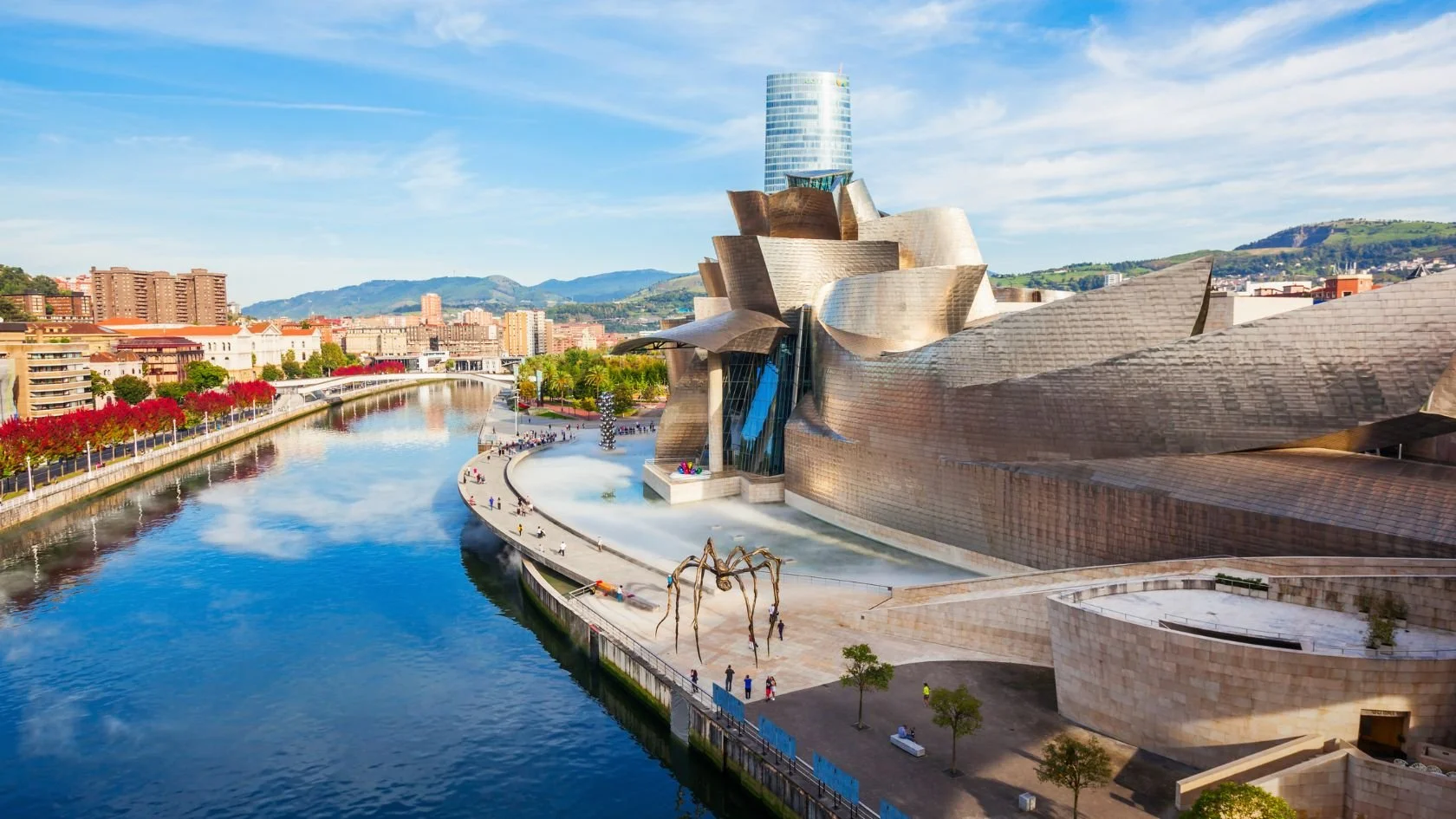
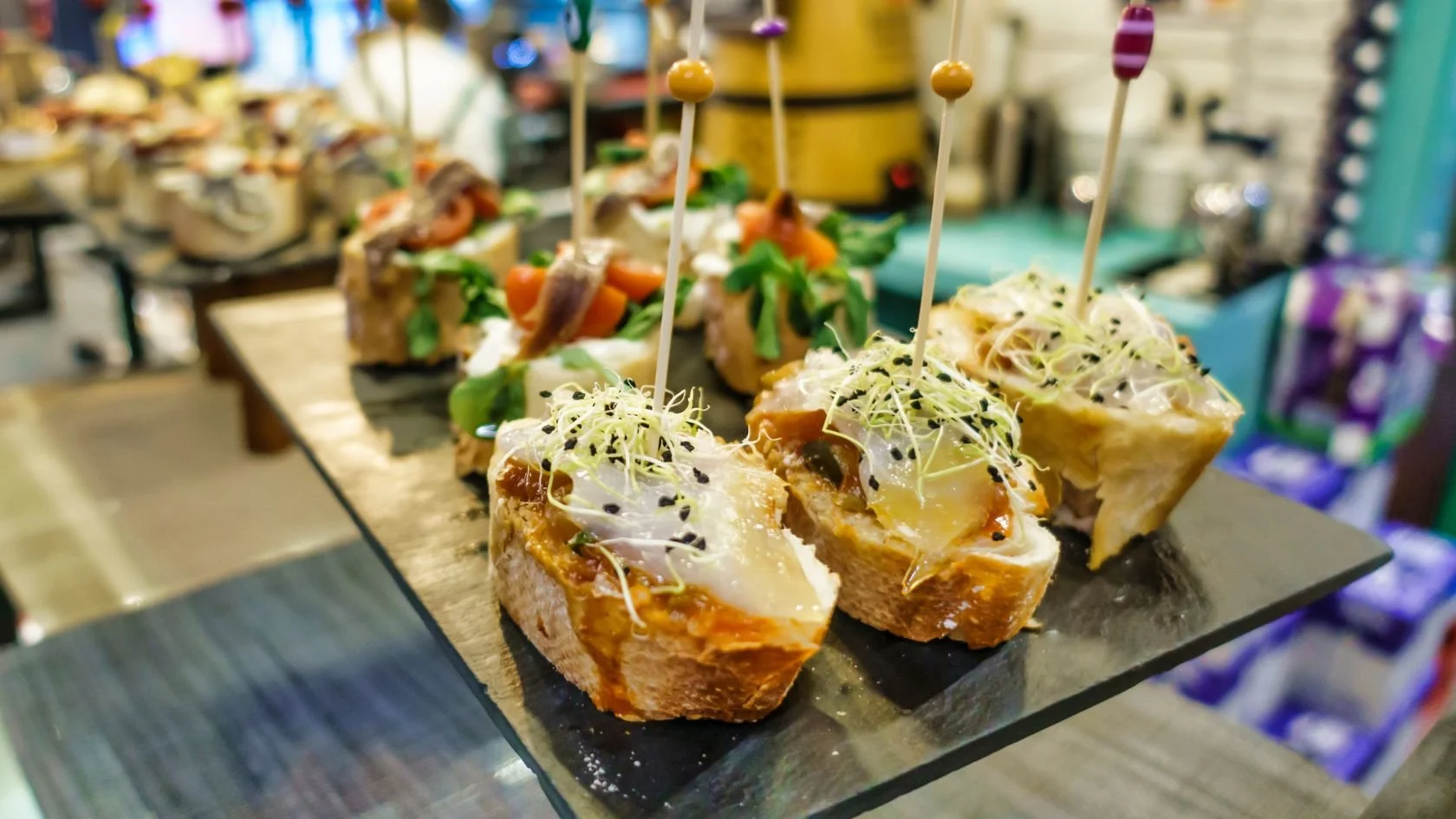
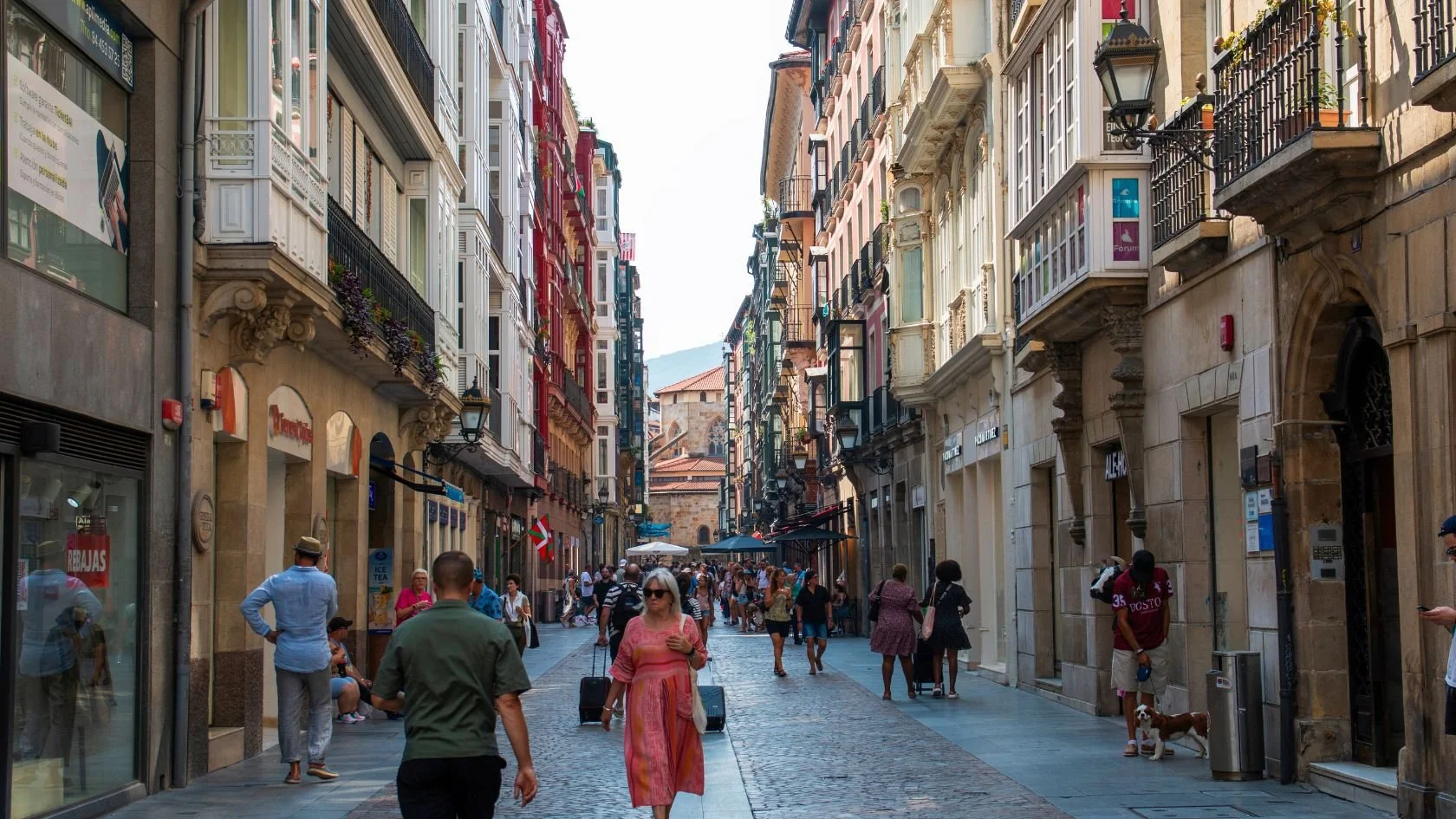
Bilbao feels like a gateway city where urban Spain transitions into the Basque Country’s quieter sophistication.
The Guggenheim still surprises, even if you’ve seen it before. Titanium curves reflecting cloud cover and river light set the tone for what comes next: a region where design and landscape exist in constant conversation.
An afternoon wandering Casco Viejo, followed by jamón and Rioja at La Viña del Ensanche, is enough to understand the city.
Then the vineyards begin.
Rioja Alavesa: Sleeping Inside a Work of Architecture
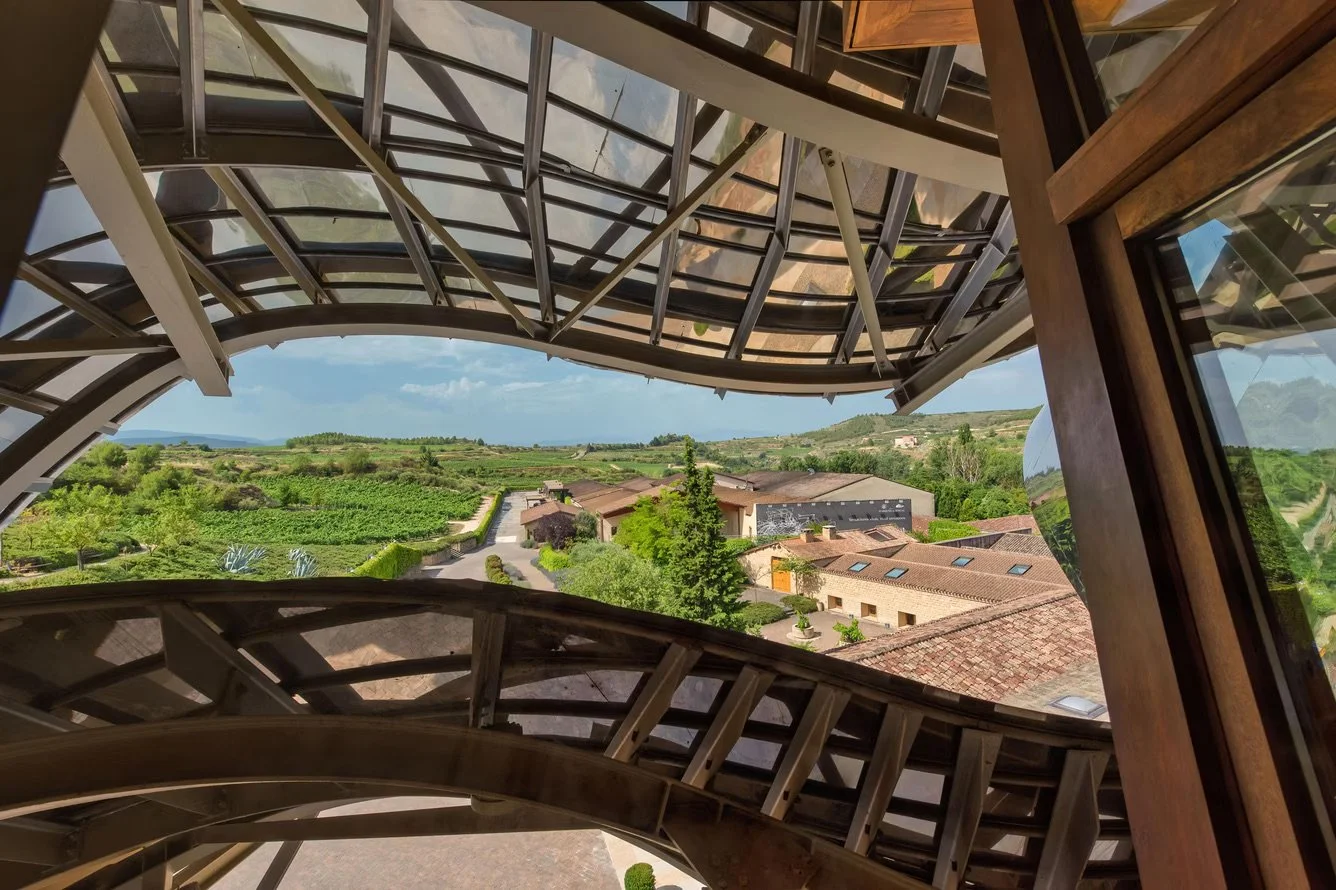
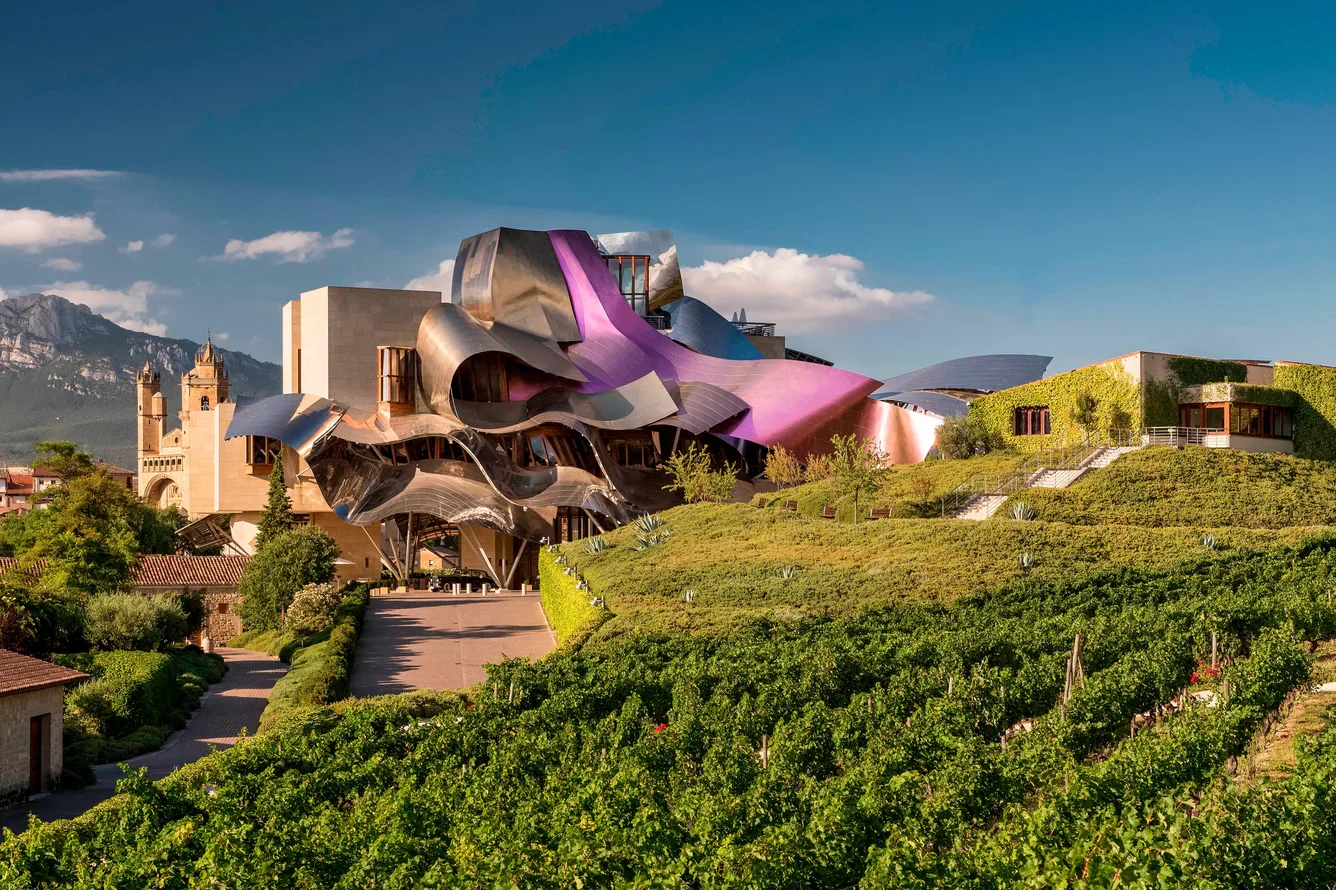
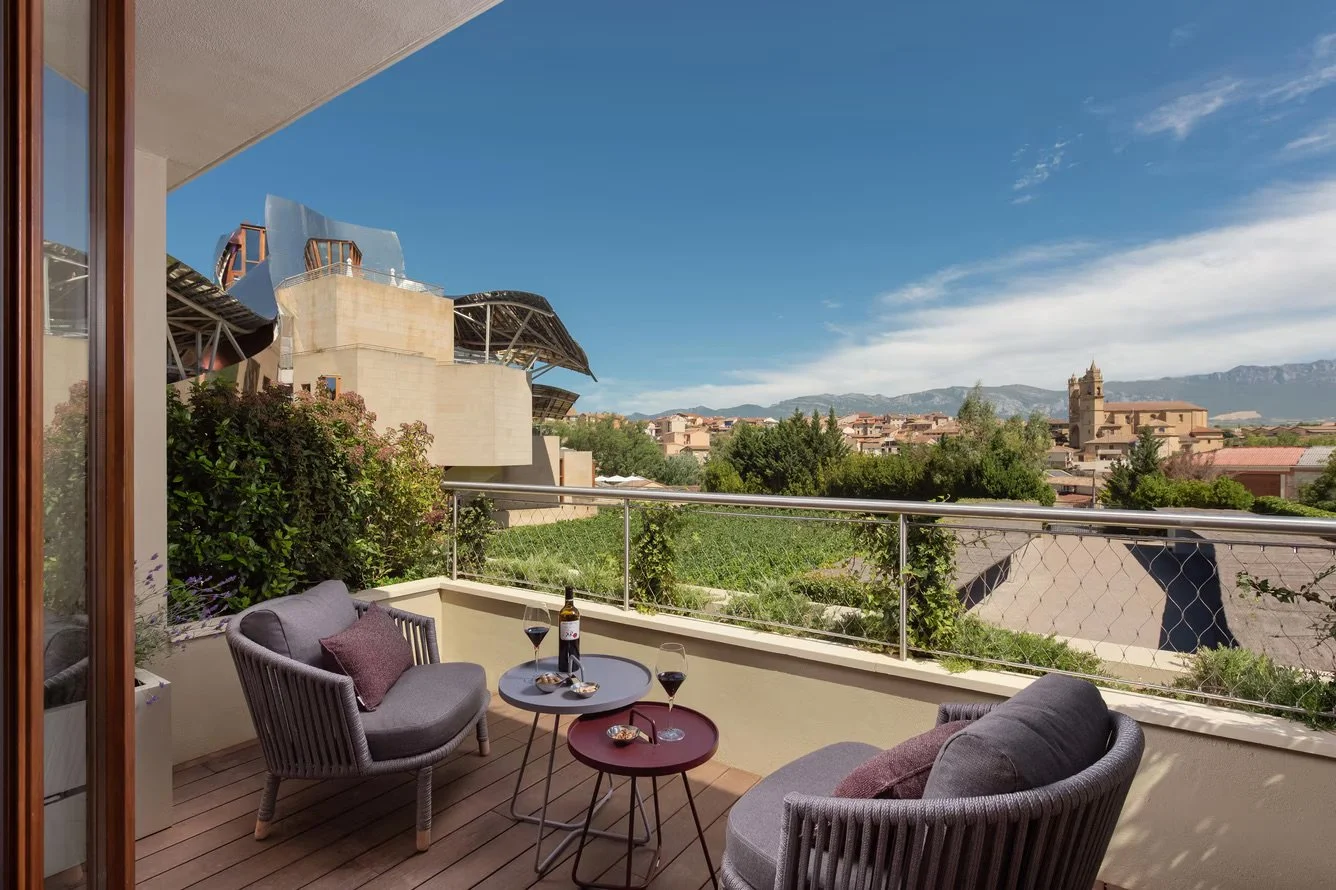
Two nights at Hotel Marqués de Riscal, A Luxury Collection Hotel turns Rioja from a tasting stop into an experience.
Frank Gehry’s sculptural hotel rises unexpectedly from the vineyards, its ribboned titanium echoing the colors of wine bottles and foil capsules. It’s dramatic from afar and unexpectedly peaceful once you arrive.
Days unfold easily here:
coffee overlooking the vines
walks through Laguardia’s stone streets
private tastings nearby
afternoons at the Caudalie vinotherapy spa
Dinner happens without needing to go anywhere else.
This is where the trip slows.
Tolosa: A Pilgrimage Lunch at Casa Julián
On the way toward the coast, there’s a natural pause in Tolosa for lunch at Casa Julián.
No theatrics. No menu flourishes.
Just one of the great Basque chuletas grilled over open flame the way they’ve always been done.
It’s the kind of meal that resets your expectations of what “simple” can mean.
San Sebastián: Europe’s Most Effortless Food City
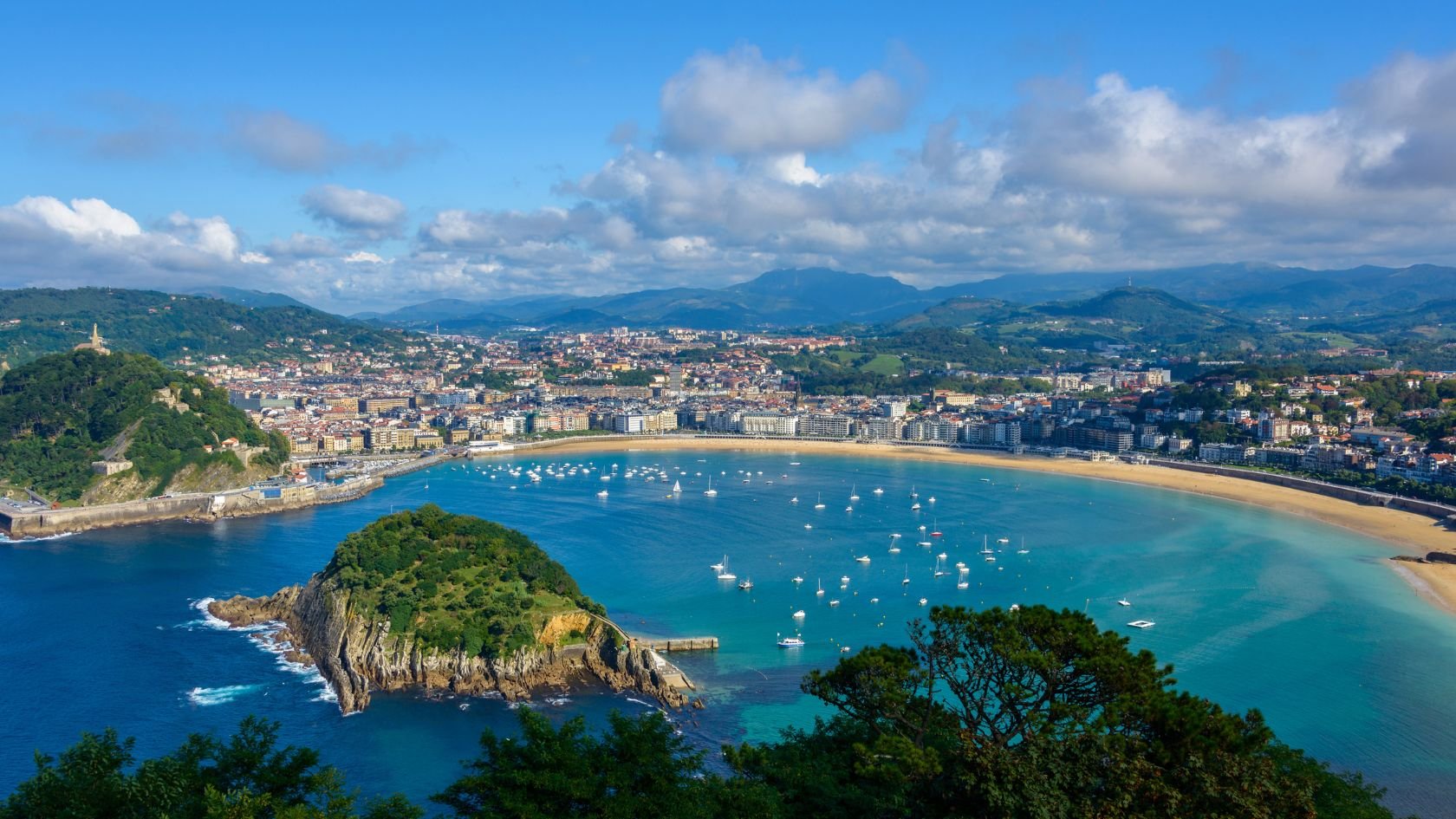
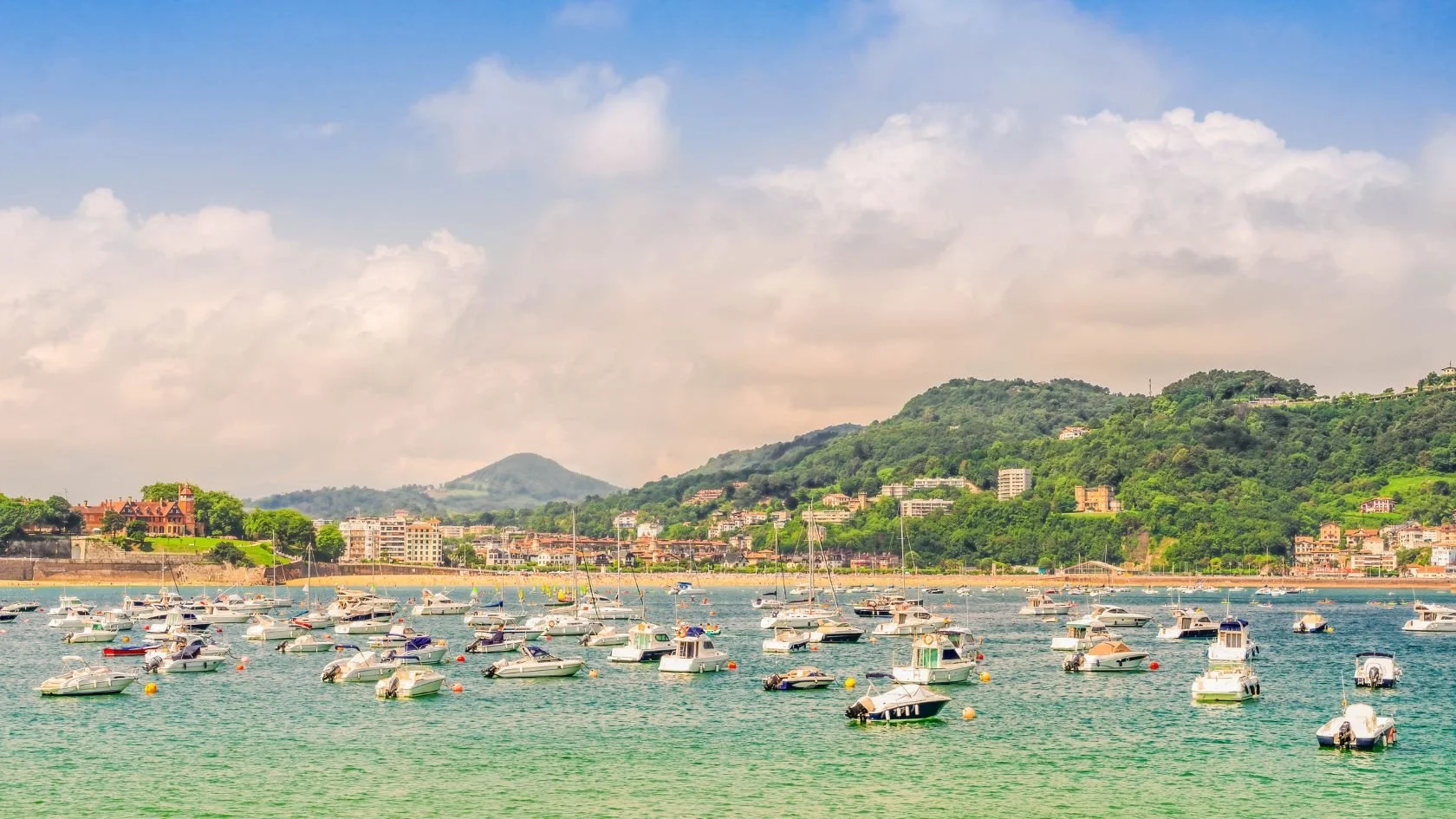
San Sebastián is best experienced slowly, so I’d stay three nights.
Morning swims along La Concha.
Walks up Monte Urgull.
Afternoons moving between pintxos counters that feel more like rituals than meals.
Dinner reservations shape the evenings:
Elkano for grilled turbot
Rekondo for its legendary cellar
Arzak for Basque culinary history
One afternoon belongs to Getaria, where txakoli vineyards meet the Atlantic.
This is a place designed for lingering.
The Basque Coast into France: Oysters and Atlantic Light
The crossing into France is less a border than a mood shift.
Saint-Jean-de-Luz feels intimate and maritime. Bayonne introduces Basque-French architecture and café culture. Arcachon opens outward toward oyster beds and wide Atlantic skies.
Lunch somewhere along Cap Ferret is essential.
By late afternoon, Bordeaux appears.
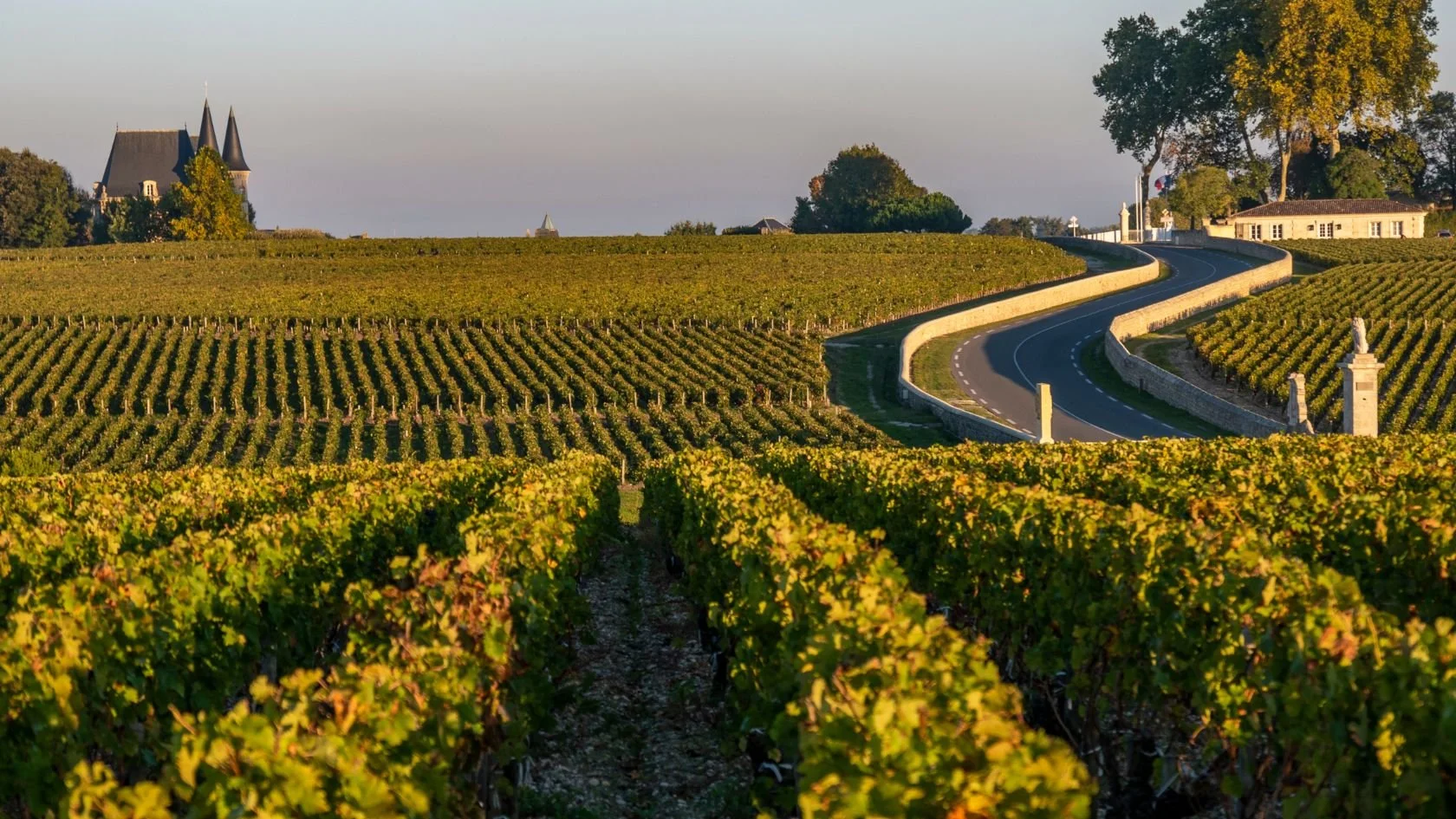
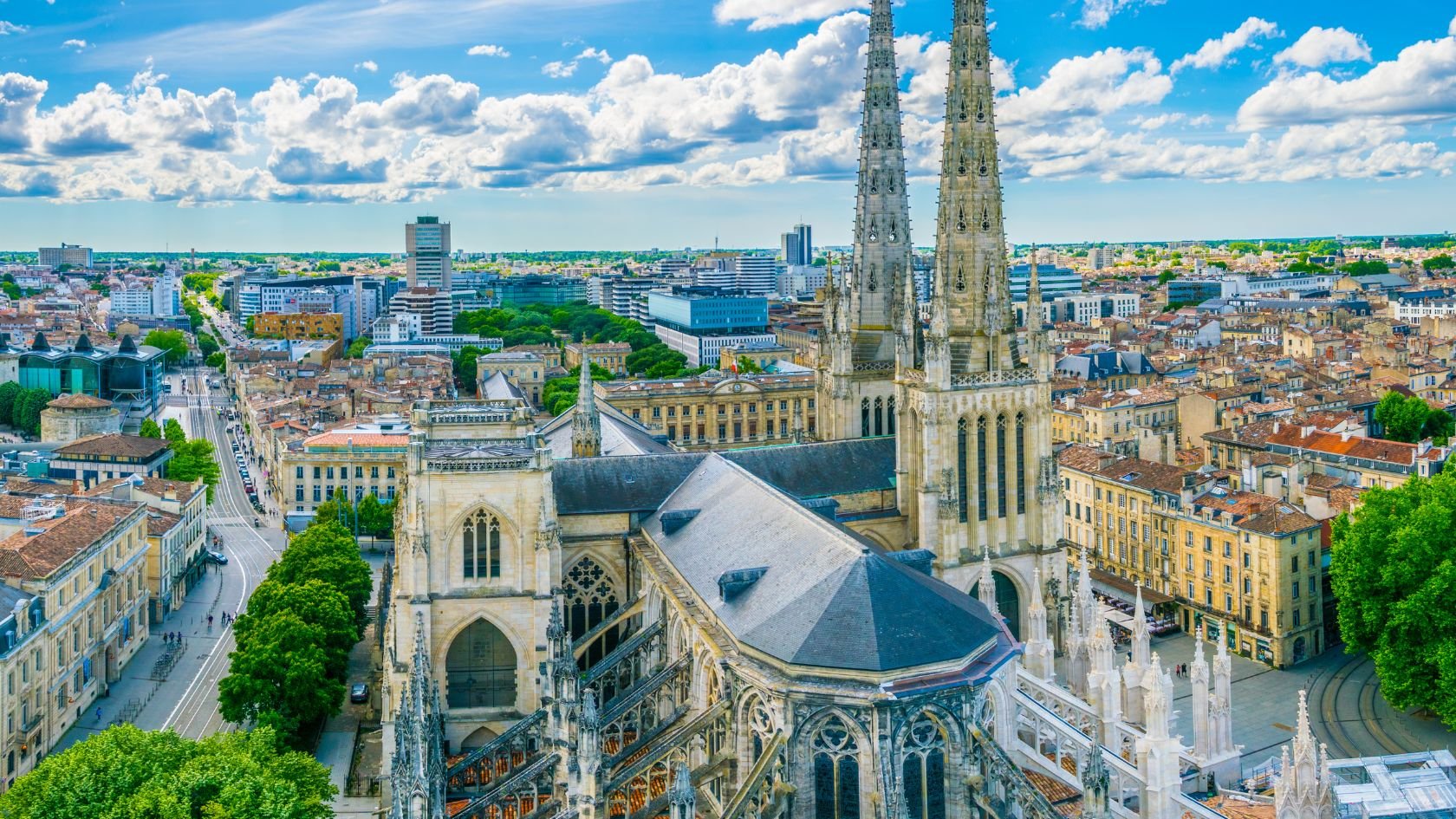
Bordeaux: Quiet Elegance Along the River
Bordeaux rewards subtle exploration.
Evenings begin with walks along the Garonne. Days stretch into tastings across the Médoc or Saint-Émilion. Lunch becomes an event rather than a stop between activities.
One night in the city is enough to understand its rhythm.
Then it’s time to move into the vineyards.
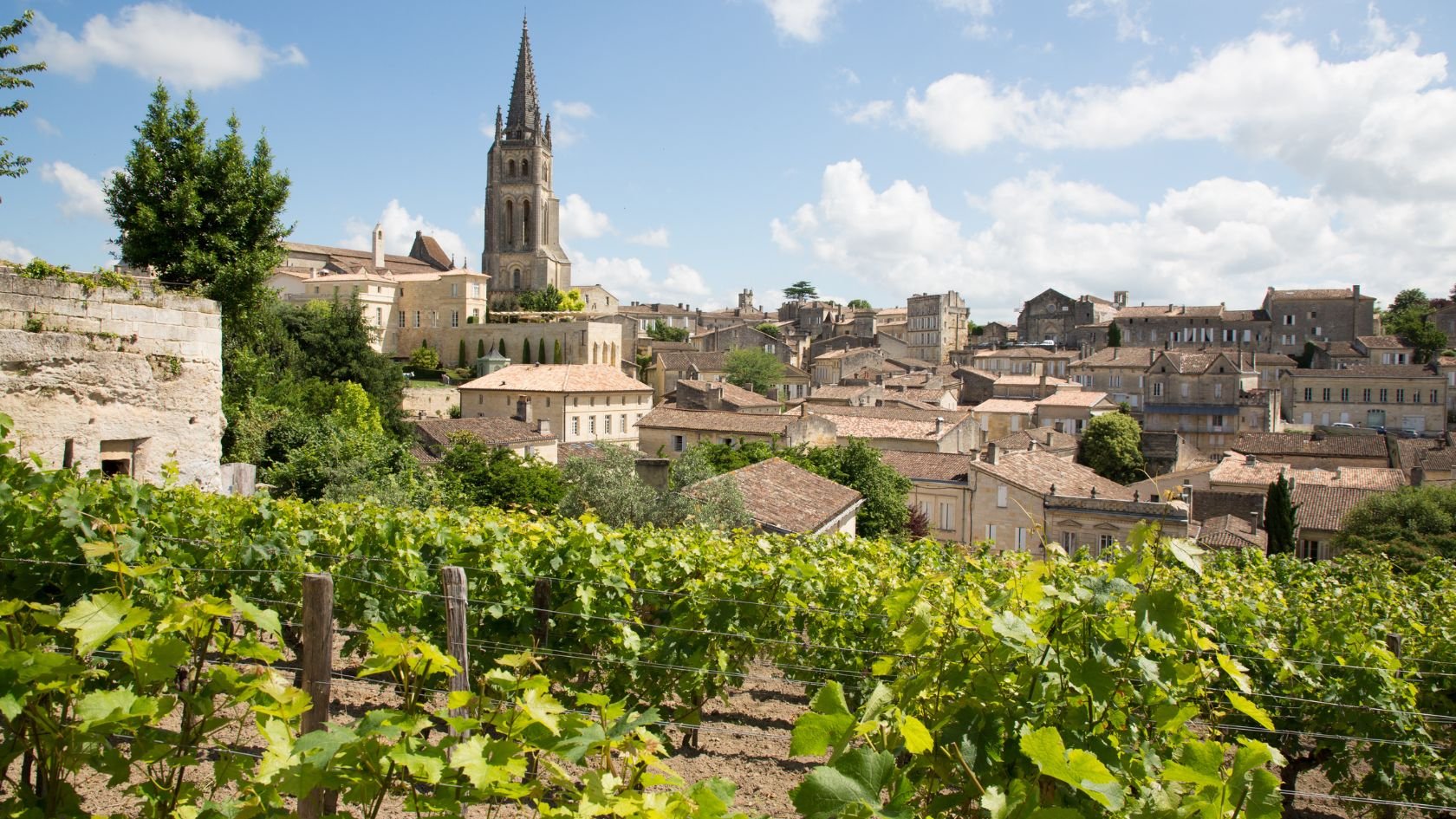
Saint-Émilion: Living Inside Wine Country
Two nights inside Saint-Émilion transform the region from a visit into a stay.
Stone lanes wind between tasting rooms. Underground cellars stretch beneath the village. Evenings arrive slowly, accompanied by vineyard light and long dinners.
Staying somewhere like Hôtel de Pavie makes the experience feel immersive rather than observational.
You’re no longer touring wine country.
You’re living inside it.
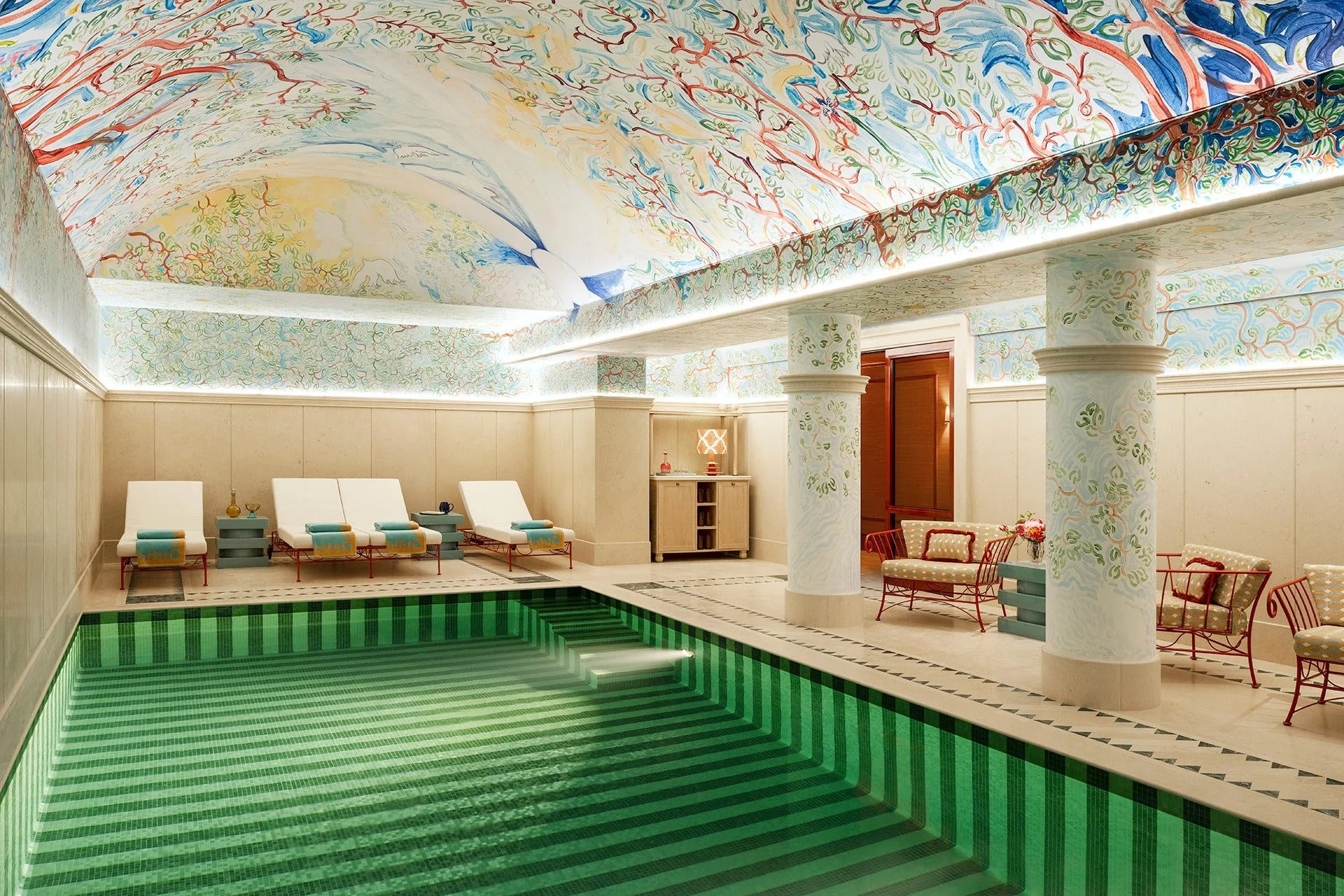
Paris: A Final Chapter at Hôtel Le Grand Mazarin
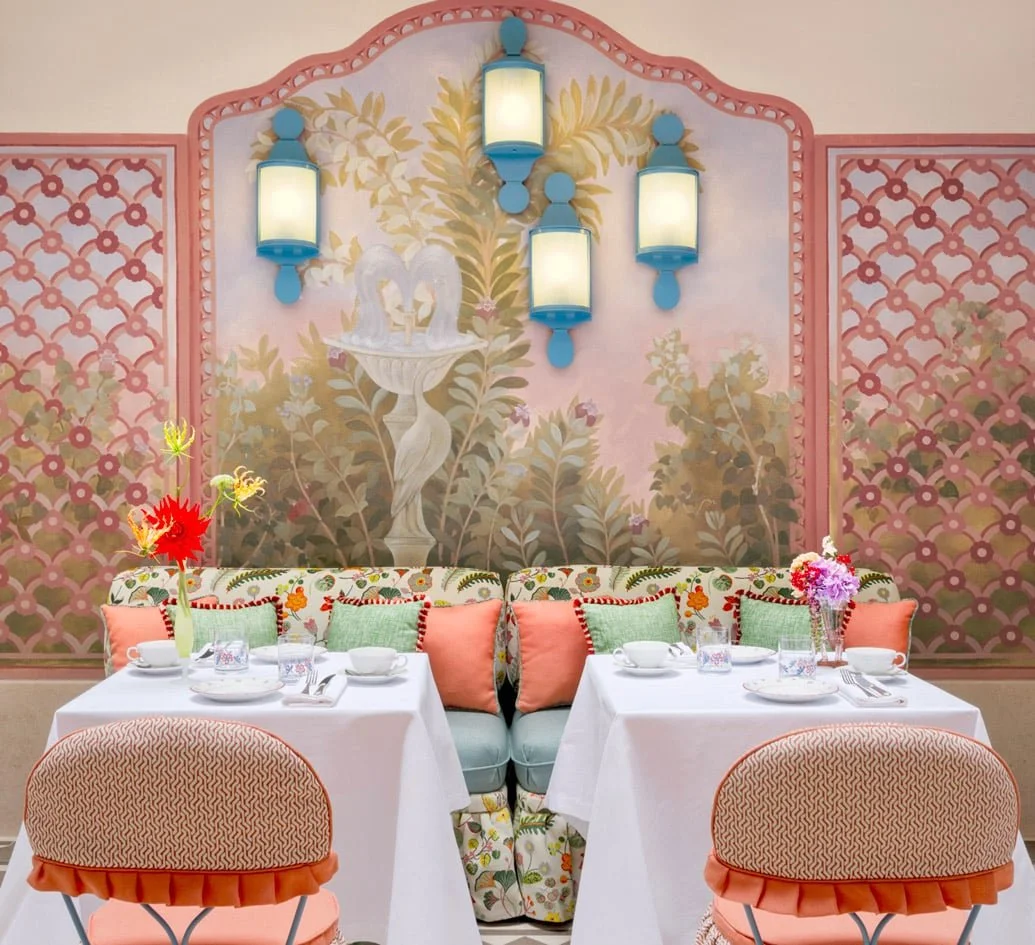
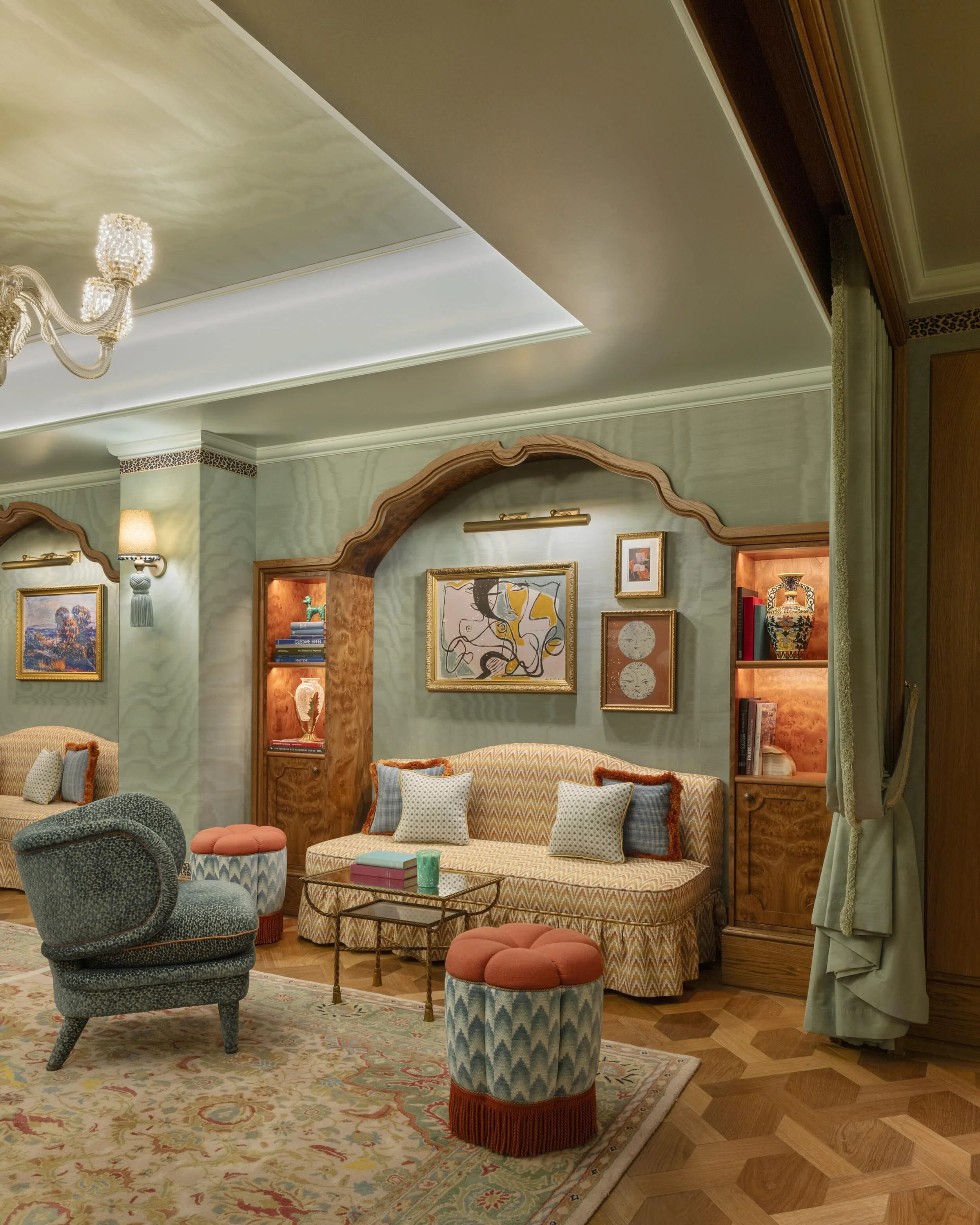
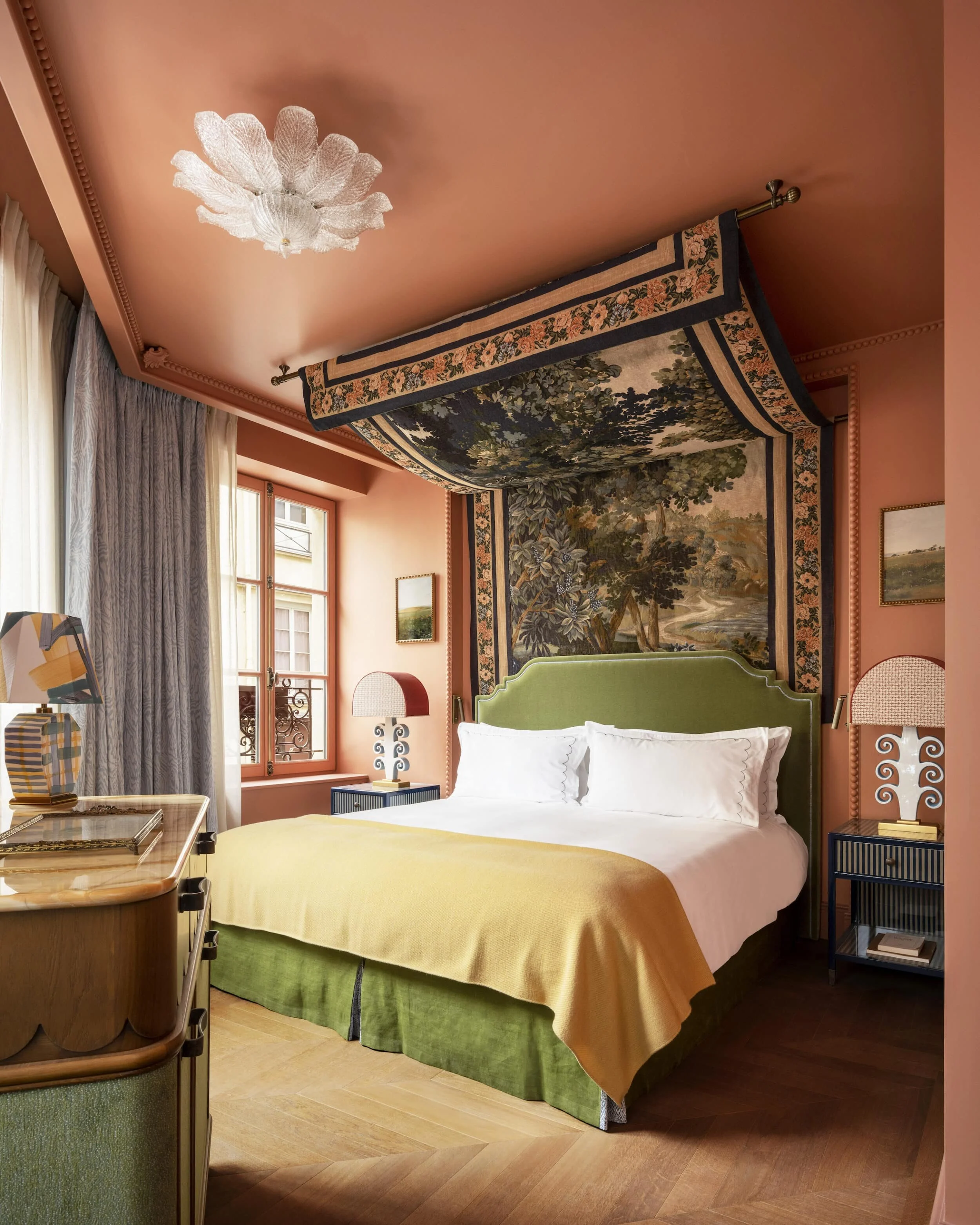
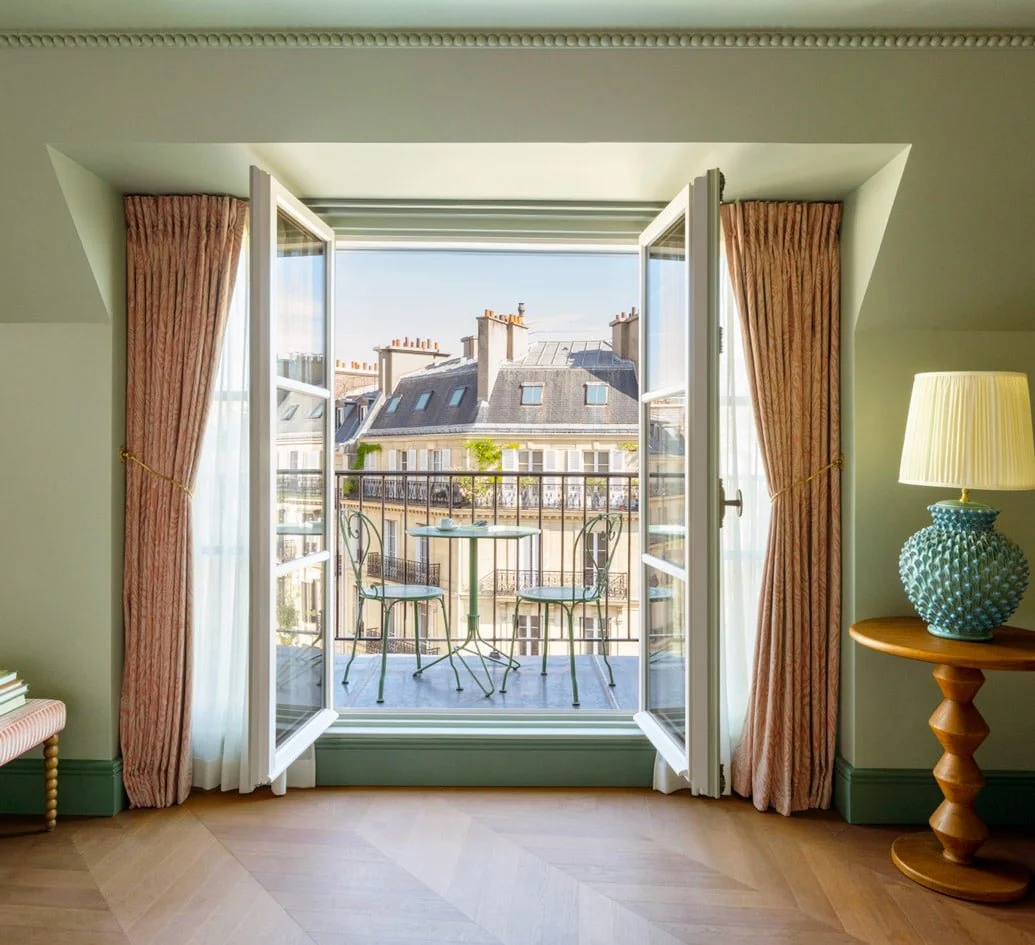
The train from Bordeaux to Paris takes just over two hours, making the final transition effortless.
Two nights at Hôtel Le Grand Mazarin bring the trip to a close in the Marais, one of the city’s most layered neighborhoods for design, galleries, cafés, and late dinners.
Mornings begin slowly here.
Coffee on a quiet street.
An afternoon museum visit.
Dinner that stretches into evening walks along the Seine.
The kind of ending that makes a trip linger even after it’s over.
Why This Route Works So Well
What makes this journey special isn’t any single destination.
It’s the progression:
Madrid’s museums
Rioja’s vineyards
Basque seafood traditions
Atlantic oyster coastlines
Bordeaux’s historic estates
Parisian design and café life
Each place deepens the last.
It’s a route shaped less by logistics than by atmosphere.
The kind of itinerary I find myself returning to whenever I let my mind wander toward Europe.
And why it was on my Where to Go in 2026 list.