
25 Once-in-a-Lifetime Travel Experiences Worth Planning an Entire Trip Around
Spend Your Life Collecting Memories
Throughout our lives, we make a handful of investments that shape who we become.
A home.
An education.
A wedding.
Raising children.
Building a business or creating a life that reflects what matters most to us.
These are the milestones we work toward, save for, and invest in because we know their value will stretch far beyond the moment when the money is spent.
I believe extraordinary travel belongs on that list.
Not because every meaningful journey needs to be extravagant. Not because the most expensive option is automatically the best one. And certainly not because accumulating countries is a measure of a life well lived.
Travel belongs among our most important investments because the right journey becomes part of who we are.
It changes the way we see the world. It introduces us to people, flavors, traditions, landscapes, and ideas that we could never fully understand from home. It gives couples stories from the beginning of their marriage, families memories from the years when everyone could still travel together, and lifelong friends a shared chapter they will revisit around dinner tables for decades.
Sometimes it marks a major occasion, such as a honeymoon, anniversary, milestone birthday, graduation, retirement, or the long-awaited celebration of a professional accomplishment.
Sometimes the occasion is simply realizing that there may never be a perfect time.
We work hard. We carefully ration our vacation days. We manage mortgages, businesses, deadlines, families, and all the practical responsibilities that make up a life.
What are we working toward if we never give ourselves the opportunity to see the wonders of the world?
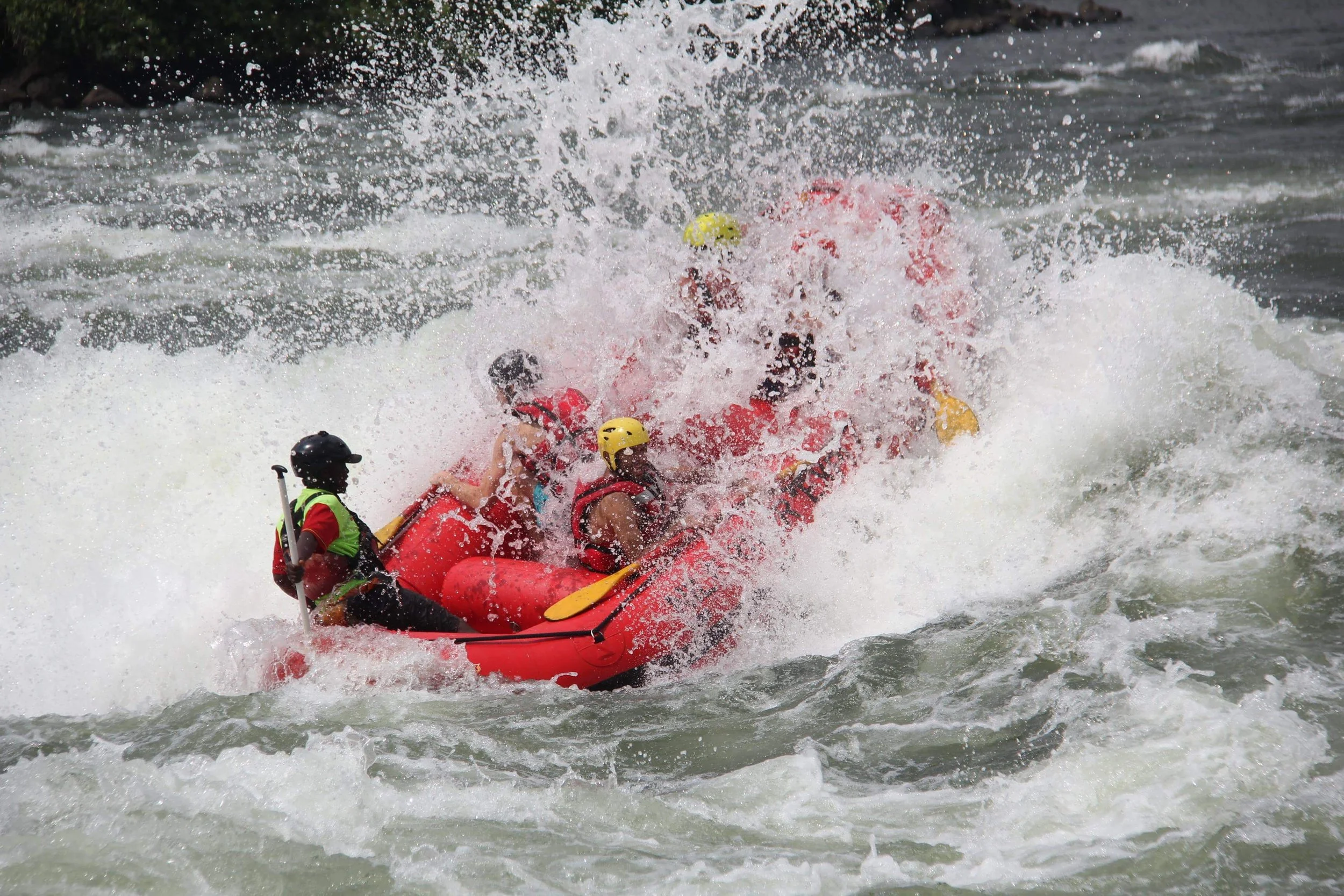
There are waterfalls so powerful that you feel them before you see them. Ancient temples that have outlasted empires. Forests where mountain gorillas move quietly through the mist. Desert skies so clear they make you understand why civilizations once navigated by the stars.
There are meals that will change the way you think about food, hotels that will forever redefine your idea of hospitality, and landscapes that no photograph can adequately capture.
These experiences are not simply vacations.
They are the moments we collect.
Start With the Dream
Every extraordinary journey begins with one idea.
I have always wanted to see the Great Migration.
We want to trek with gorillas on our honeymoon.
My father has dreamed about Egypt for as long as I can remember.
We want to see Antarctica while we are still healthy and adventurous enough to truly experience it.
I cannot stop thinking about the balloons over Cappadocia.
That is the anchor experience.
It is the reason you cross an ocean, invest your savings, and use precious vacation days. It is the moment you imagine when you first begin talking about the trip and the story you will probably still be telling years after you return.
Once we identify that anchor, the rest of the journey begins to appear around it.
The hotel where you wake to balloons passing your terrace.
The safari camp positioned in the right part of the Serengeti at the right point in the migration.
The private guide who transforms a collection of Egyptian monuments into a vivid story of civilization, ambition, faith, and power.
The seamless transfer between a commercial flight and the small aircraft that will carry you into the bush.
The extra night added because experience has taught us that weather does not always cooperate.
The restaurant reservation, artisan visit, wine tasting, scenic train, neighborhood walk, and quiet afternoon by the pool that give the journey its rhythm.
That is how we design travel at Trip Whisperer.
We begin with the experience you have always imagined and build everything else around it.
The Hotel Is Part of the Story
A remarkable hotel is not merely somewhere to sleep between sightseeing appointments.
It can be one of the reasons to travel in the first place.
In Rwanda, the right lodge gives you a restorative place to absorb the enormity of meeting mountain gorillas in the wild. On safari, the right tent means you may watch animals cross the plains without leaving your bed or private deck. In India, the right room offers a direct view of the Taj Mahal as the monument changes color with the light. In Aswan, a legendary grand dame on the Nile connects you to explorers and writers who arrived generations before you.
The headline experience and the hotel should amplify one another.
If you have traveled halfway around the world to witness something extraordinary, returning each evening to an uninspired room, poorly placed property, or hotel that interrupts the sense of place can become the low point in an otherwise exceptional journey.
Our goal is different.
We want the trip to feel like a succession of highs.
The experience is unforgettable. The hotel is unforgettable. The guide is unforgettable. Even the transitions are thoughtfully designed so that the entire itinerary feels worthy of the investment you have made.
Luxury, in this context, is not simply marble, thread count, or a well-known name above the entrance.
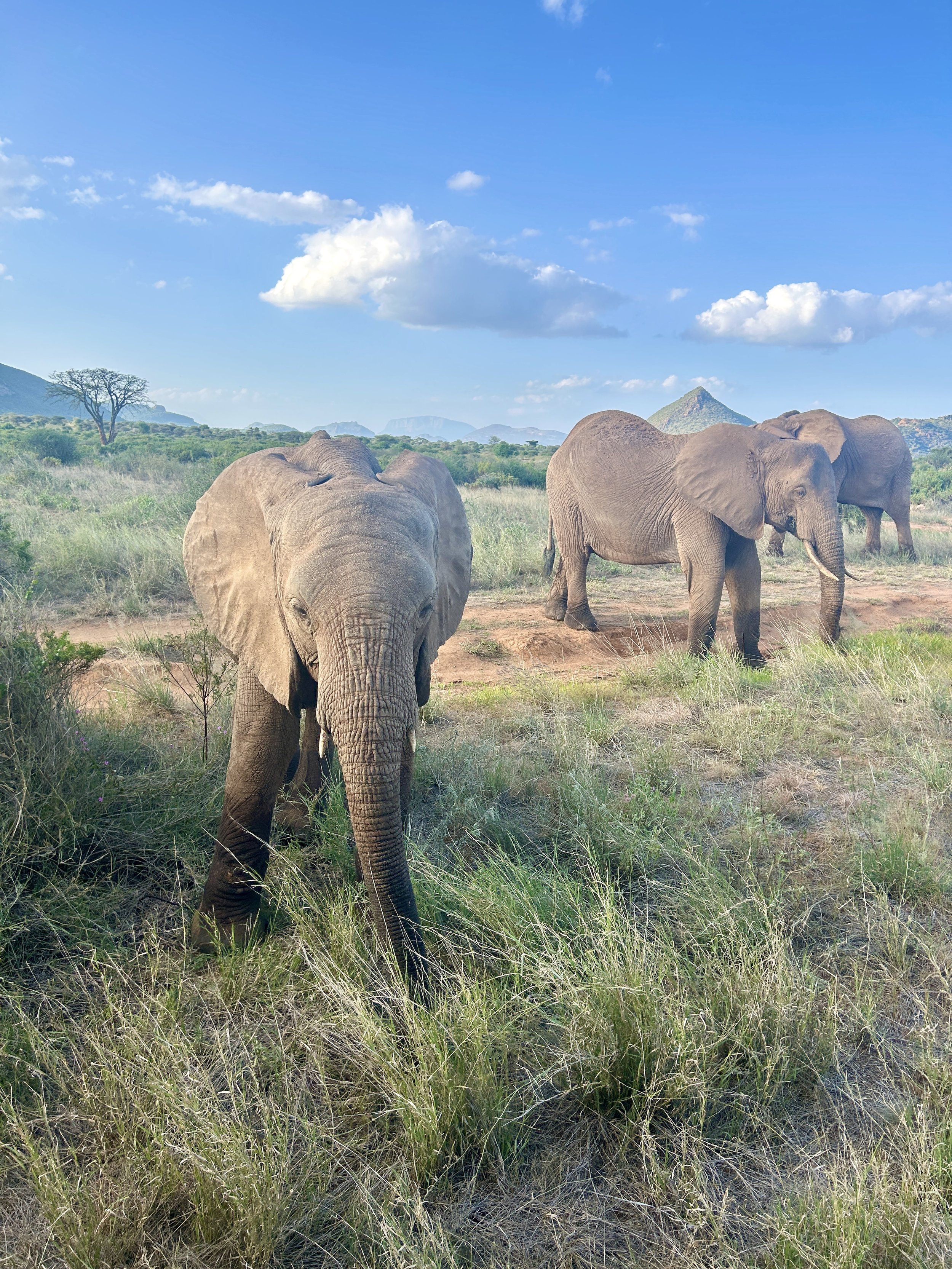
It is waking to elephants beyond your safari tent.
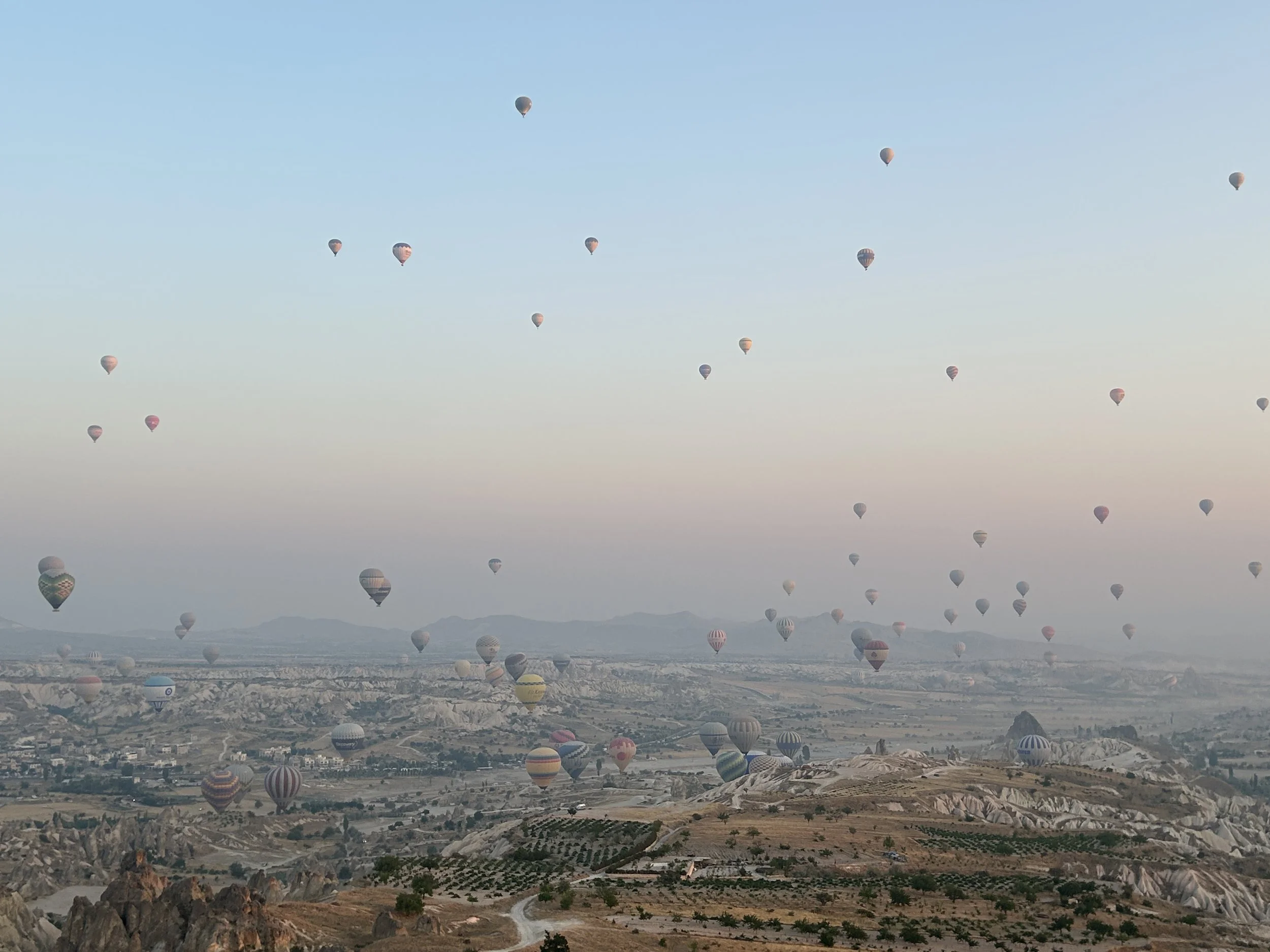
It is watching balloons rise while drinking coffee on a cave-hotel terrace.
It is soaking in an onsen after walking through Kyoto.
It is returning from a day of gorilla trekking to a fireplace, a magnificent meal, and views across the Virunga volcanoes.
The best hotels do not compete with a destination.
They deepen your connection to it.
Why These Journeys Require Thoughtful Planning
Many of the world’s greatest experiences cannot be assembled through a few point-and-click reservations.
Gorilla trekking requires limited permits tied to specific dates. A Great Migration safari depends on understanding a wildlife movement that changes throughout the year, then selecting camps positioned for the chapter you hope to witness. Remote lodges may require interconnected commercial flights, light aircraft, boat transfers, four-wheel-drive vehicles, or all of the above.
A celebrated luxury train may depart only a few times each season. Expedition ships vary significantly in size, guiding, equipment, landing access, and onboard experience. The most coveted restaurants in Japan may require advance planning and trusted local relationships. A balloon flight in Cappadocia can be canceled because the wind has other plans.
The magic is rarely contained within one reservation.
It is in how the reservations connect.
Travel prices have also risen considerably, particularly at the highest end of the market. Demand for exceptional lodges, expedition cabins, villas, guides, and limited experiences has increased, while the supply of truly extraordinary options remains finite.
These are not the journeys on which to cut every corner and hope the pieces work once you arrive.
Managing expectations is part of good travel planning. A once-in-a-lifetime trip requires a realistic investment, and often a longer planning runway, because availability, geography, seasonality, and logistics all matter.
That does not mean spending without intention.
It means identifying where the investment will meaningfully improve the journey, protecting the experience that inspired the trip, and avoiding false economies that could undermine it.
If you are investing your time, your money, and perhaps one of the most important celebrations of your life, the goal should not be to make the trip as inexpensive as possible.
The goal should be to make it worth remembering.
Bring Home More Than Photographs
I believe in spending your life collecting memories.
I also believe there is nothing wrong with bringing home a beautiful object that helps you remember them.
Not a mass-produced trinket purchased at an airport. Something connected to the people, craftsmanship, and traditions of the place you visited.
A hand-knotted rug from Turkey that reminds you of the afternoon you spent drinking tea and learning the meanings woven into its patterns.
A tailored jacket from India or Vietnam that fits beautifully and carries the memory of choosing its fabric.
A locally carved wooden sculpture from Africa.
A piece of pottery you use at breakfast.
A Japanese knife that becomes part of your kitchen.
A textile, basket, photograph, piece of jewelry, or work of art that starts a conversation whenever someone notices it in your home.
The best souvenirs are not simply possessions.
They are stories you can hold.
That is why each experience in this guide includes Bring Home a Story, one thoughtful idea for finding something special, useful, or locally made that allows a little piece of the journey to continue living with you.
And one practical Trip Whisperer rule:
Always leave room in your luggage, or pack an extra foldable bag for the journey home.
How to Use This Guide
These 25 experiences are not intended as a checklist.
Think of them as possibilities.
Each entry begins with the anchor experience and includes the details that transform it into a complete journey:
Why It’s Worth the Journey
The emotion, meaning, and singular quality that make the experience worth crossing the world to encounter.
Where I’d Stay
The destination-worthy hotels, camps, ships, and lodges we would consider when the accommodations should be every bit as memorable as the main event.
Best Time to Go
A concise guide to seasonality, weather, wildlife movement, or limited departures.
Trip Whisperer Tip
The behind-the-scenes planning detail that can make the difference between merely getting there and experiencing it well.
Complete the Journey
The itinerary that grows around the initial dream, connecting nearby destinations and complementary experiences without sacrificing pacing.
Bring Home a Story
A meaningful, locally made object or tradition that allows the memory to travel home with you.
Whether you are planning a honeymoon, protecting two precious weeks of PTO, celebrating a milestone, or deciding that you are finally ready to take the journey you have discussed for years, begin with the moment you cannot stop imagining.
We will build everything else around it.
Part I: Chasing Wonder
Every unforgettable journey begins with one moment.
1. Float Above Cappadocia at Sunrise, Türkiye
Why It’s Worth the Journey
Cappadocia feels dreamlike before you ever leave the ground.
Long before sunrise, you step into the cool darkness while balloon crews begin inflating enormous canopies across the valley floor. Flames briefly illuminate the landscape. One balloon rises, followed by another, until the sky begins filling with color.
Then your basket leaves the earth.
Below you, Cappadocia unfolds as a surreal landscape of honey-colored valleys, vineyards, cave dwellings, rock-cut churches, and the sculpted formations known as fairy chimneys. As the sun reaches the horizon, the stone turns shades of rose, gold, and warm apricot.
There is no engine noise. Only the occasional rush of flame and the extraordinary quiet of floating above a landscape shaped over millennia.
Hot-air-balloon flights operate throughout the year, although spring and autumn generally bring milder, more consistent conditions. Flights begin shortly before sunrise and remain dependent on suitable weather.
The flight itself may last only a portion of the morning, but Cappadocia should never be reduced to a single excursion. Explore its underground cities, walk through valleys, discover rock-hewn frescoes, taste local wines, and visit the pottery workshops of Avanos.
Then wake the next morning and watch the balloons again, this time from your hotel terrace with coffee and breakfast.
That is the perfect pairing. The anchor experience is extraordinary, but the hotel allows the magic to continue long after you land.
Where I’d Stay
Avantgarde Refined Caves of Cappadocia
Avantgarde was my own Cappadocia home, which makes this recommendation personal. Its cave rooms and atmospheric stone spaces deliver the sense of place travelers come to Cappadocia hoping to find, while still providing the comfort and polish expected from a special journey.
I would choose it for travelers who want to feel immersed in the region rather than staying in a hotel that could exist anywhere.
Museum Hotel
Museum Hotel is the showstopping alternative for panoramic views and a property that is an experience in its own right. Set high in Uçhisar, it overlooks several of Cappadocia’s celebrated valleys and places guests within easy reach of major regional sites. The hotel describes itself as a living museum, with registered artifacts from Hittite, Roman, Seljuk, and Ottoman periods displayed throughout its cave rooms, tunnels, and public spaces. It is also a member of Relais & Châteaux.
This is where I would look for a honeymoon, major anniversary, or traveler who wants the hotel terrace and morning balloon views to become as memorable as the flight itself.
Best Time to Go
April through June and September through October generally offer comfortable temperatures and favorable conditions for exploring outdoors.
Cappadocia can be visited year-round, and winter snow creates its own visual magic, but spring and autumn tend to provide the most balanced combination of weather, walking conditions, and balloon opportunities.
Trip Whisperer Tip
Never build a Cappadocia stay around one possible morning in the air.
Balloon flights require safe weather conditions, and cancellations are part of the reality of the experience. We recommend spending at least three nights in Cappadocia and scheduling the balloon for the first available morning. That creates additional opportunities to rebook if weather prevents takeoff.
The best planning cannot control the wind.
It can give you options.
Complete the Journey
Begin with several nights in Istanbul, where old and new Türkiye meet through palaces, mosques, contemporary art, markets, rooftop views, and one of the world’s most exciting dining scenes.
Continue to Cappadocia for three or four nights, allowing time for the balloon, a privately guided exploration of the cave churches and underground cities, a valley walk, local wine, and an afternoon with the region’s craftspeople.
From there, choose your own finale.
Travel west for the ancient ruins of Ephesus, then relax along the Turquoise Coast. Continue to Bodrum for a beautiful hotel stay. Or board a private gulet and spend several days sailing between hidden coves, fishing villages, and remarkably clear water.
The balloon may have inspired the trip.
Türkiye supplies the rest of the story.
Bring Home a Story
Cappadocia’s town of Avanos is known for pottery traditions shaped by clay from the Kızılırmak, or Red River. Visit a reputable workshop, learn how the pieces are formed and decorated, and choose a bowl, plate, or vessel you will genuinely use at home.
For a larger investment, look for a hand-knotted rug or vintage kilim through a trusted local specialist who can explain its region, materials, age, construction, and symbolism.
Every time you place breakfast in the bowl or walk across the rug, a little of Cappadocia returns.
Dreaming about Cappadocia? We’ll build the journey around it.
2. Sail Through Ancient Egypt on the Nile
Why It’s Worth the Journey
Egypt is not one experience. It is an entire journey through the origins of civilization.
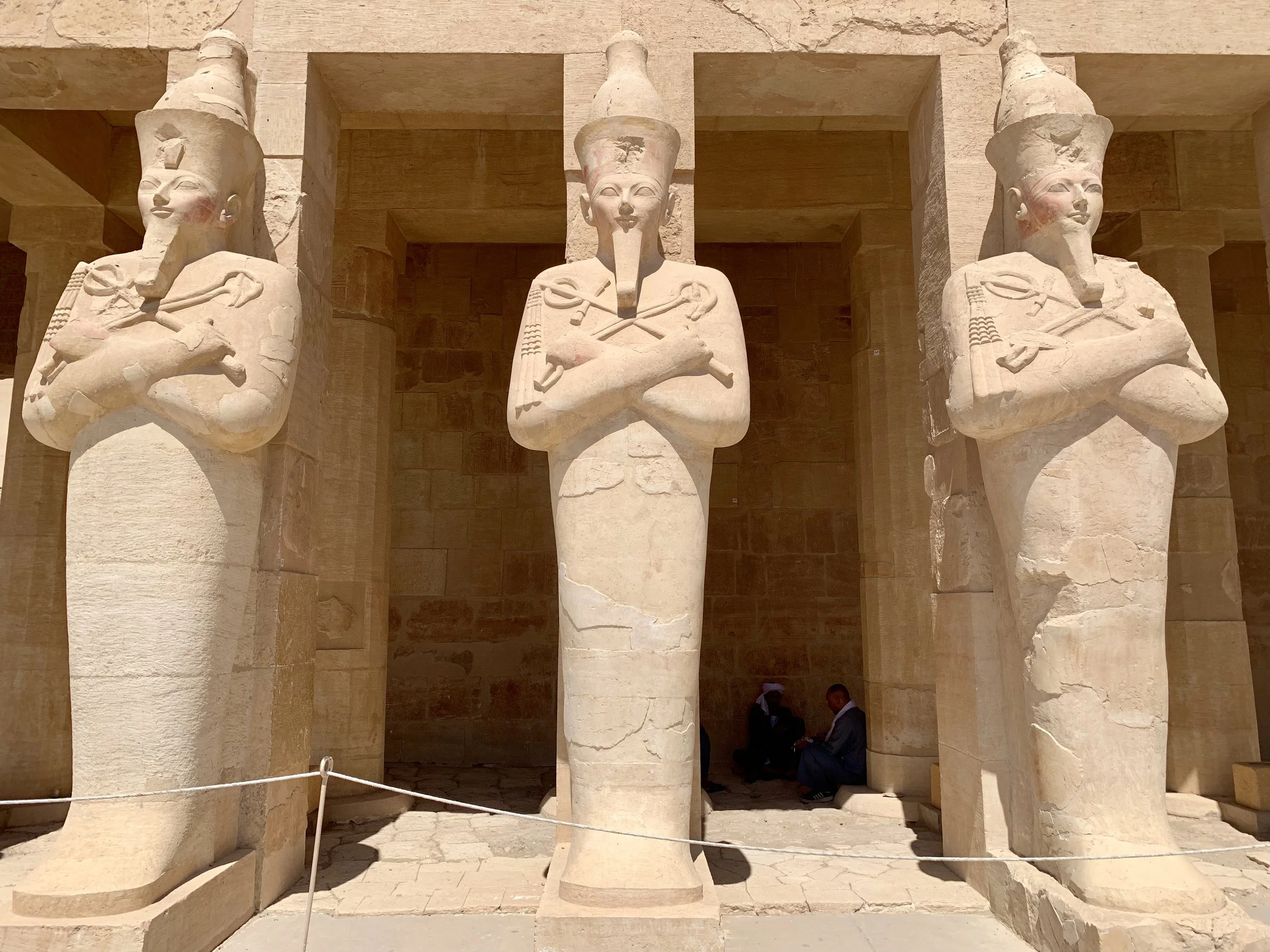
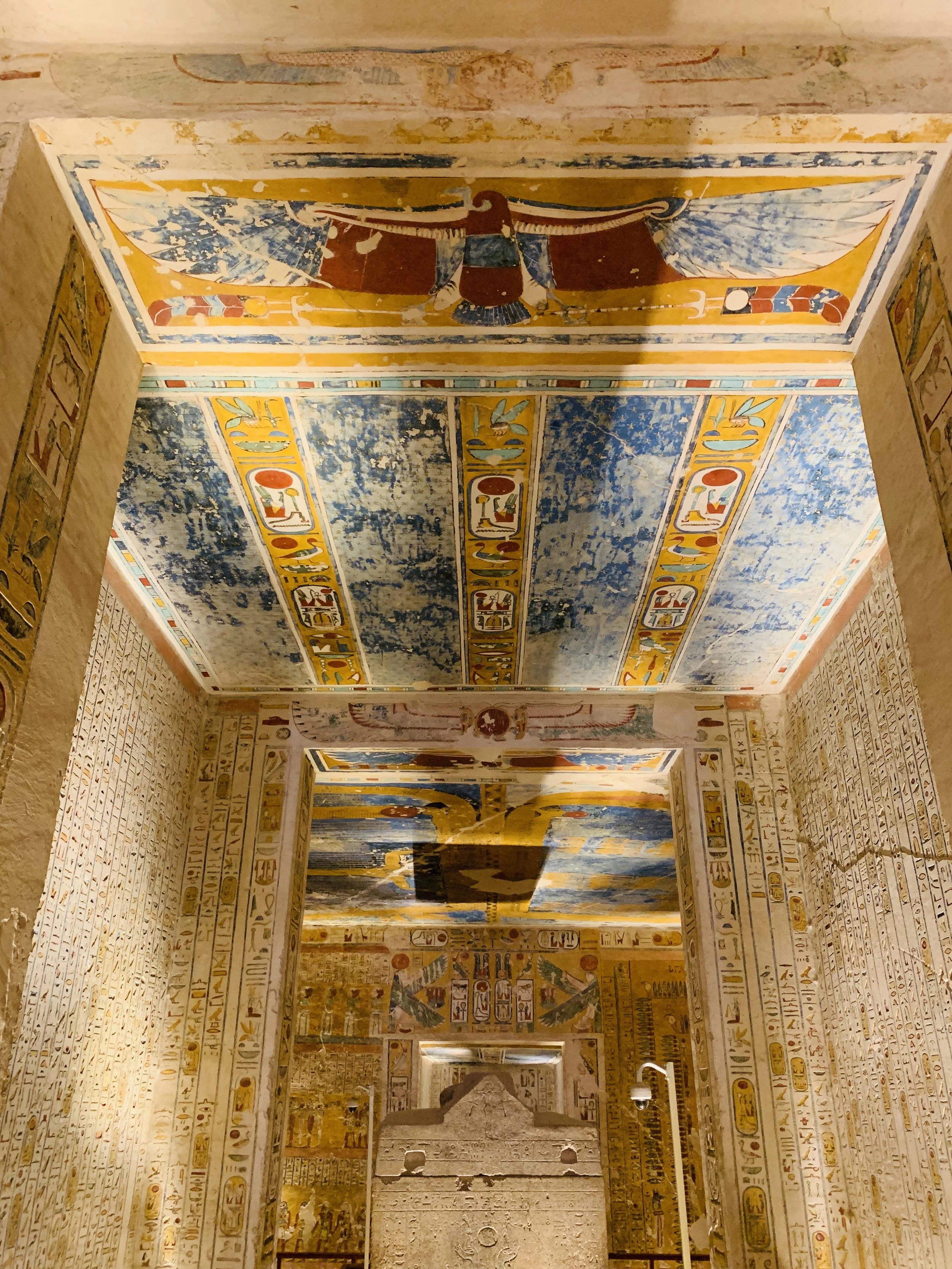
It is the first moment the pyramids appear through the Cairo skyline. The cool air inside an ancient tomb. The scale of Karnak Temple. The hieroglyphs, columns, statues, and stories that have survived for thousands of years.
Then there is the Nile.
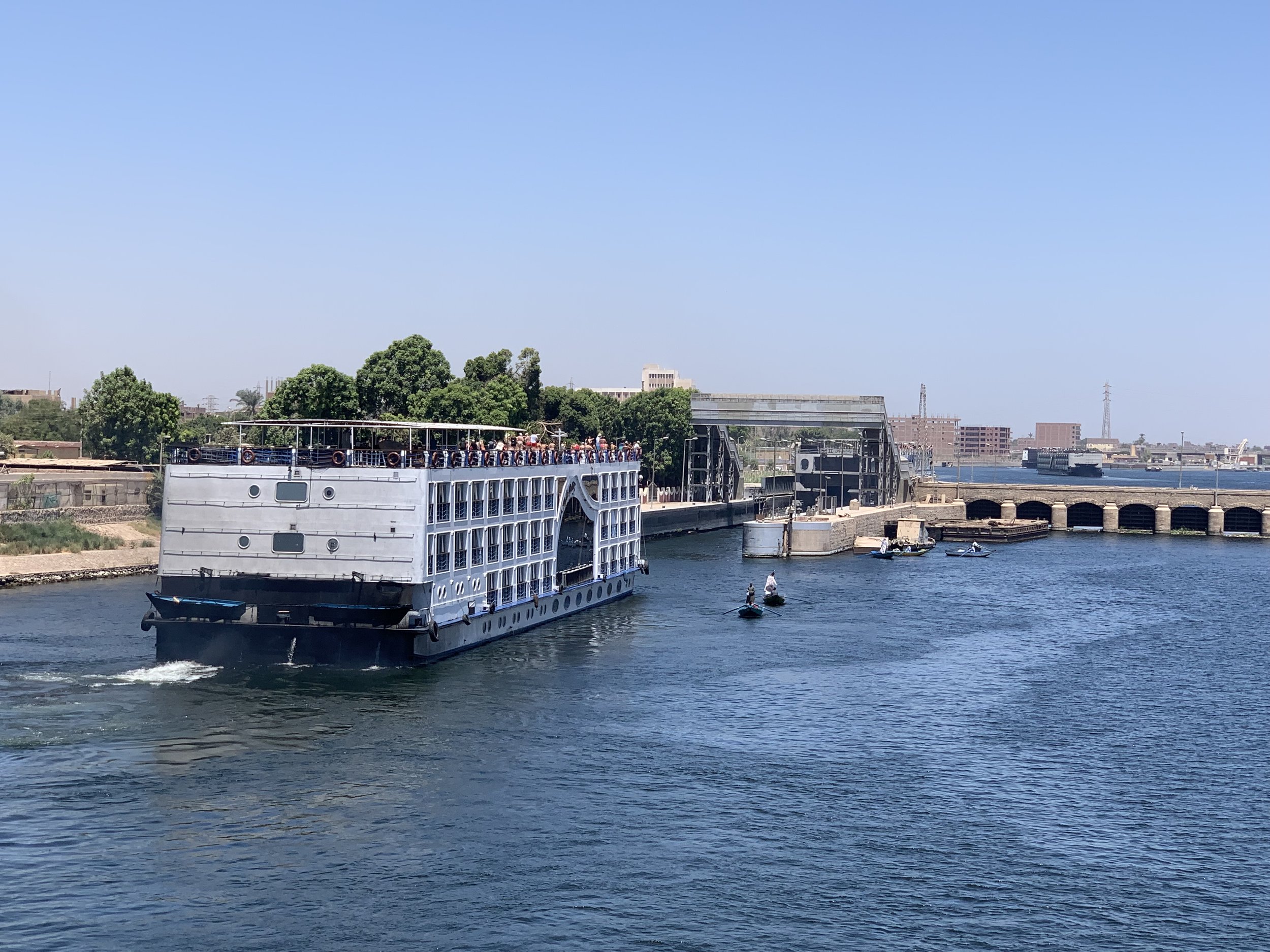
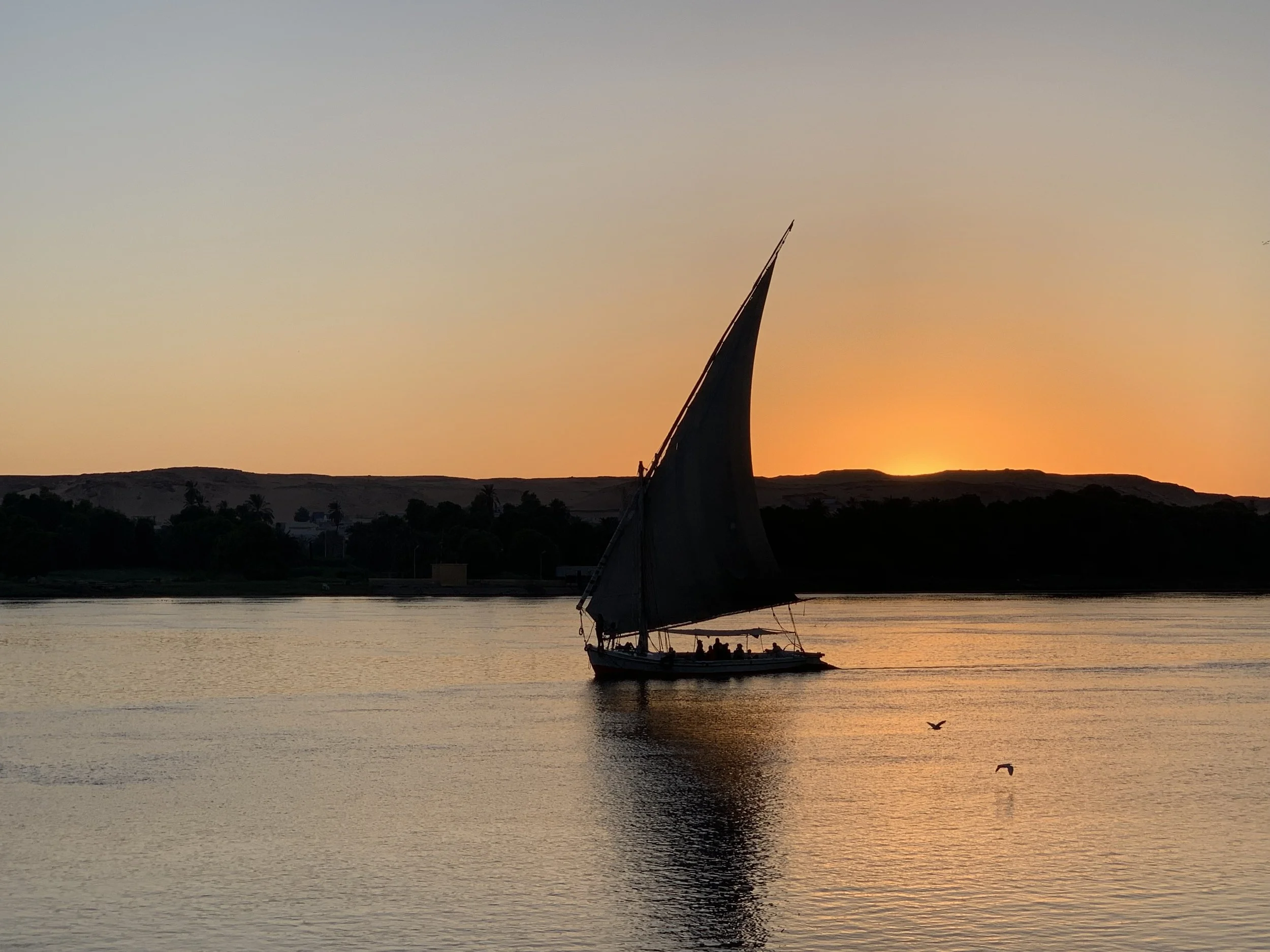
Sailing between Luxor and Aswan changes the pace completely. After mornings spent exploring temples and royal burial chambers, you return to the ship, find a seat on deck, and watch palm groves, villages, and feluccas pass along the riverbanks.
History stops feeling like a distant academic subject. It becomes the landscape around you.
This is why I would never reduce Egypt to a quick visit to the pyramids. Cairo may provide the famous first impression, but the journey south reveals the true scale of the country’s history.
The right Egyptologist is essential. A great guide does more than recite names and dates. They help you understand the ambition behind the monuments, the symbolism within the temples, and the human lives hidden beneath thousands of years of mythology.
The hotel and the ship matter too. Egypt can be intense, stimulating, and wonderfully overwhelming. Returning each afternoon to a beautiful room, attentive service, and a quiet place overlooking the Nile gives the journey balance.
Where I’d Stay
Sofitel Legend Old Cataract, Aswan
This is one of the world’s great grand dame hotels. Its terraces overlook the Nile from a dramatic position opposite Elephantine Island, creating an arrival that feels cinematic.
The hotel’s history is part of its appeal. Agatha Christie stayed here and found inspiration for Death on the Nile, giving travelers the rare chance to inhabit a setting connected to the story they are experiencing around them.
This is not simply somewhere to sleep before a flight or cruise. I would protect time to enjoy the terrace, the river views, and the sense of history within the hotel itself.
The Oberoi Zahra or The Oberoi Philae
The Oberoi currently operates two luxury Nile cruisers. The Zahra offers five- and seven-night sailings, while the Philae offers four- and six-night options. The Philae has just 22 cabins and suites, all with uninterrupted Nile views, while the Zahra offers intimate itineraries and private docking arrangements at many stops.
For travelers who value space, personalized hospitality, and a calmer onboard experience, both are compelling choices.
Uniworld’s S.S. Sphinx or River Tosca
Uniworld offers a polished, highly supported way to experience Egypt. Its 2026 itinerary combines four nights in Cairo with a seven-night Nile cruise aboard either the S.S. Sphinx or River Tosca.
The S.S. Sphinx debuted on the Nile in 2021 and features regionally inspired interiors, two dining venues, a swimming pool, and 42 suites. River Tosca is an all-suite ship with a pool, shaded sun deck, and Egyptian design throughout.
I would recommend Uniworld for clients who want the land arrangements, guiding, accommodations, and cruise thoughtfully bundled into one seamless journey.
Best Time to Go
October through April generally brings the most comfortable temperatures for sightseeing.
December through February is particularly popular because the days are milder, although that also means greater demand. Travelers comfortable with warmer weather may find attractive opportunities during the shoulder months.
Trip Whisperer Tip
Do not rush Egypt.
A short itinerary that jumps from Cairo to Luxor to Aswan may look efficient on paper, but early mornings, internal flights, and consecutive touring days can become exhausting.
Allow the Nile to slow the journey down. Build in time to enjoy the ship, protect at least one leisurely afternoon in Aswan, and use private guiding where it meaningfully improves the experience.
Most importantly, select the guide and cruise style before filling every day with monuments. Egypt becomes far richer when you have enough time and context to absorb what you are seeing.
Complete the Journey
Begin in Cairo with the pyramids, the Sphinx, and a privately guided exploration of the city’s ancient and contemporary layers.
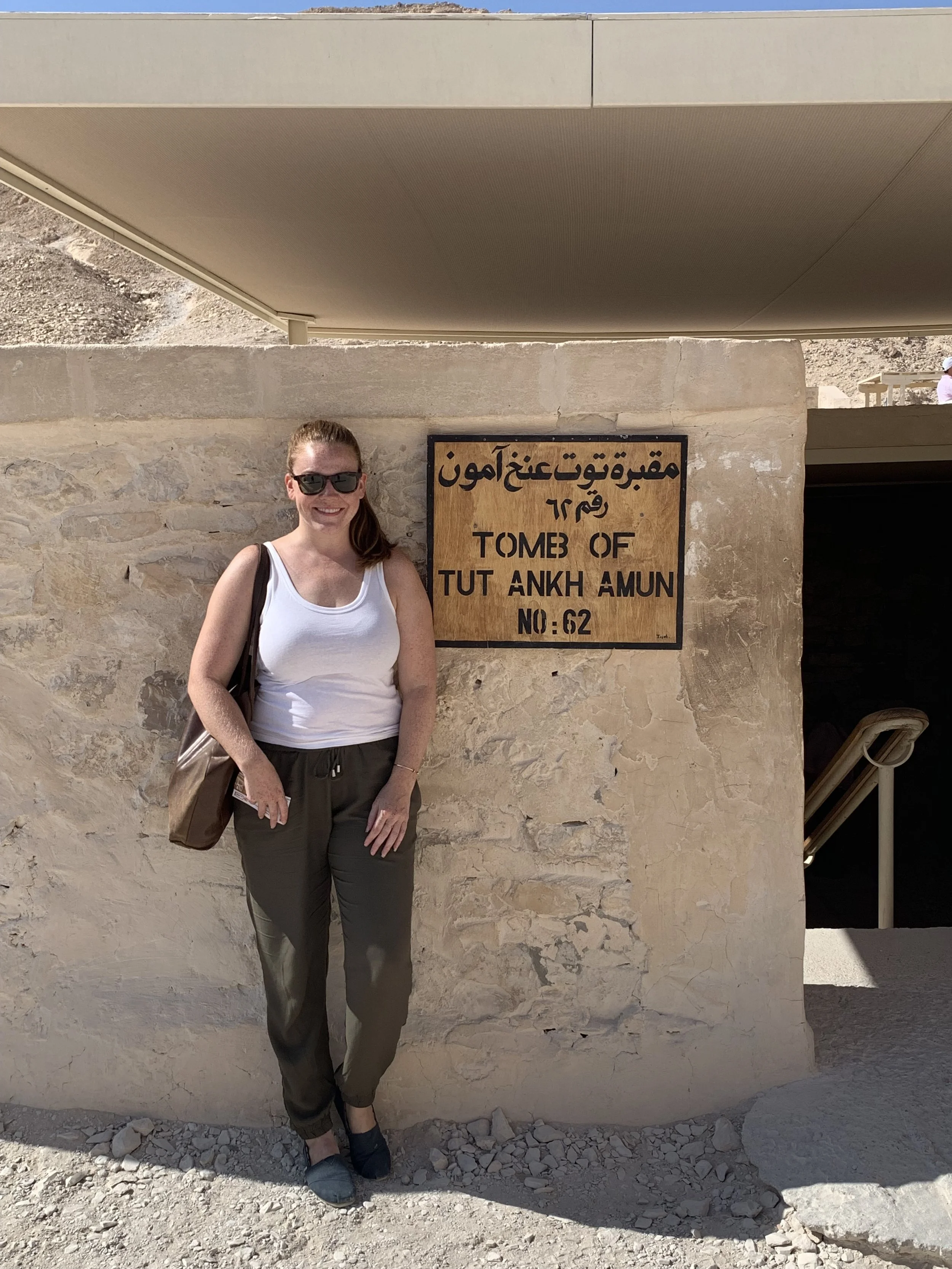
Fly to Luxor, where the temples of Karnak and Luxor, the Valley of the Kings, and surrounding archaeological sites deserve several thoughtful days.
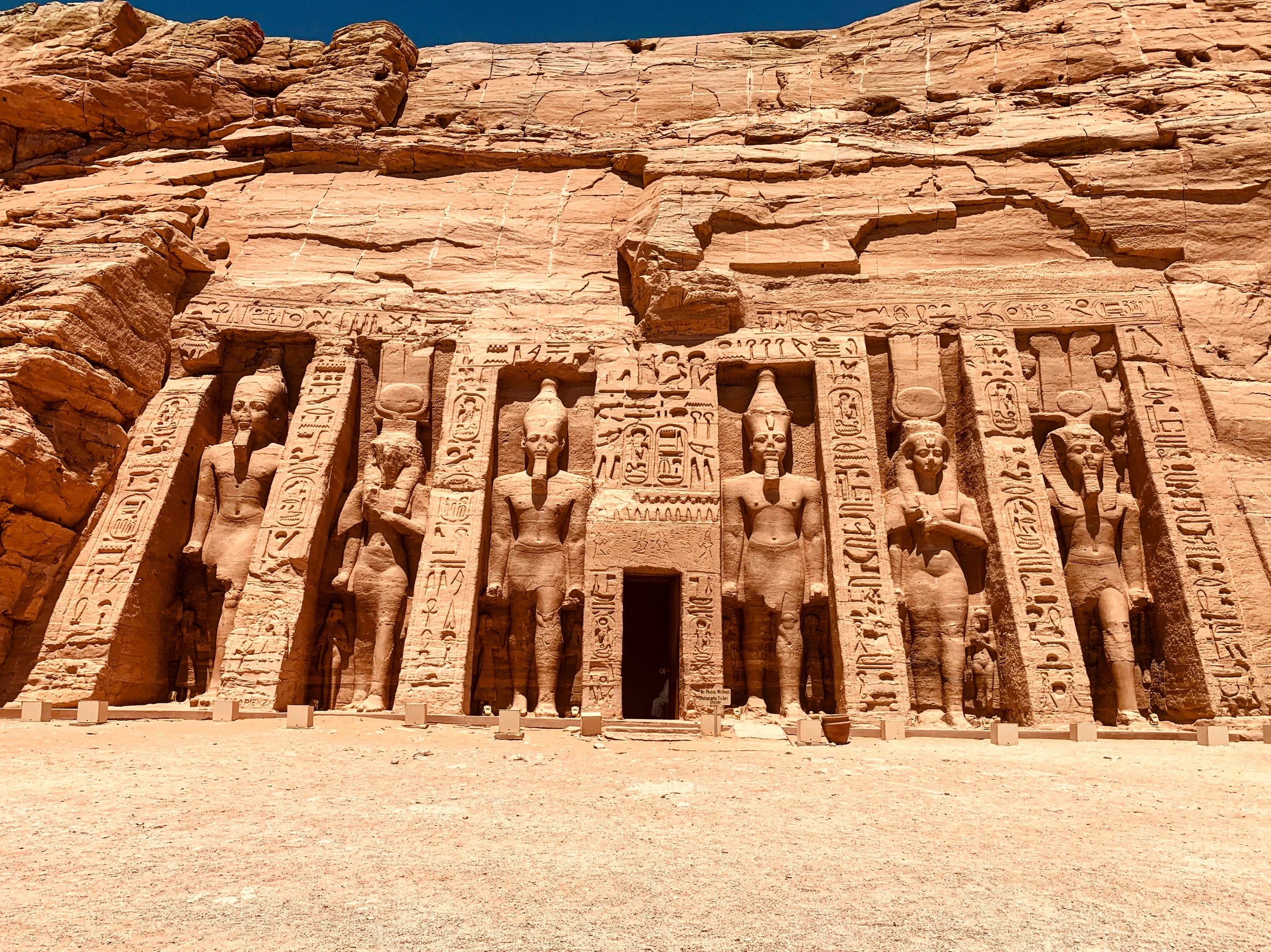
Board a luxury Nile cruise to Aswan, stopping at temples and communities along the river. Stay at the Old Cataract before continuing to Abu Simbel, either as a carefully planned day trip or an overnight experience. With more time, I would also consider adding in Alexandra on the northern coast.
For a longer journey, add the Red Sea for diving and relaxation, or continue to Jordan for Petra, Wadi Rum, and another extraordinary chapter of the ancient world.
Bring Home a Story
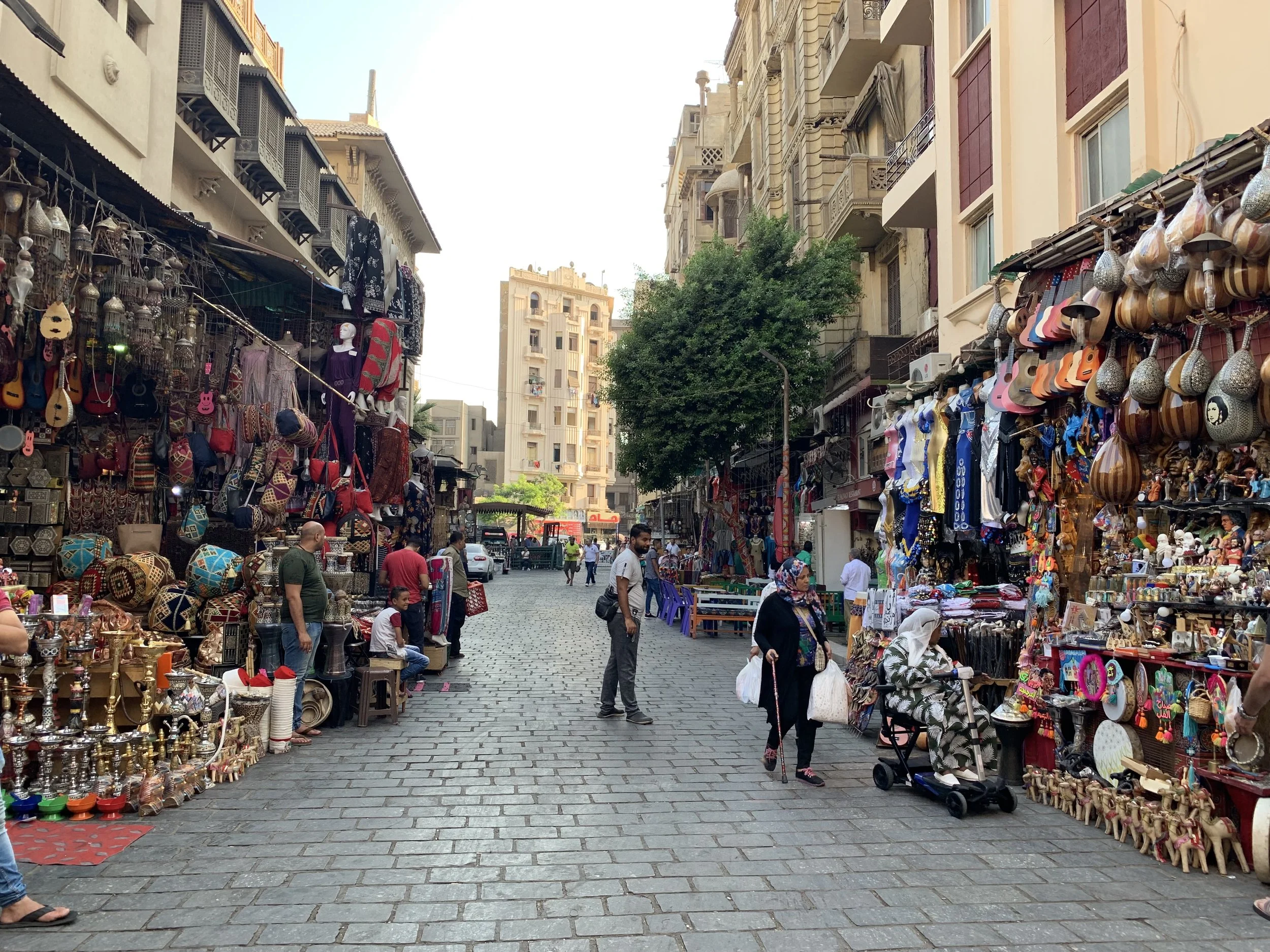
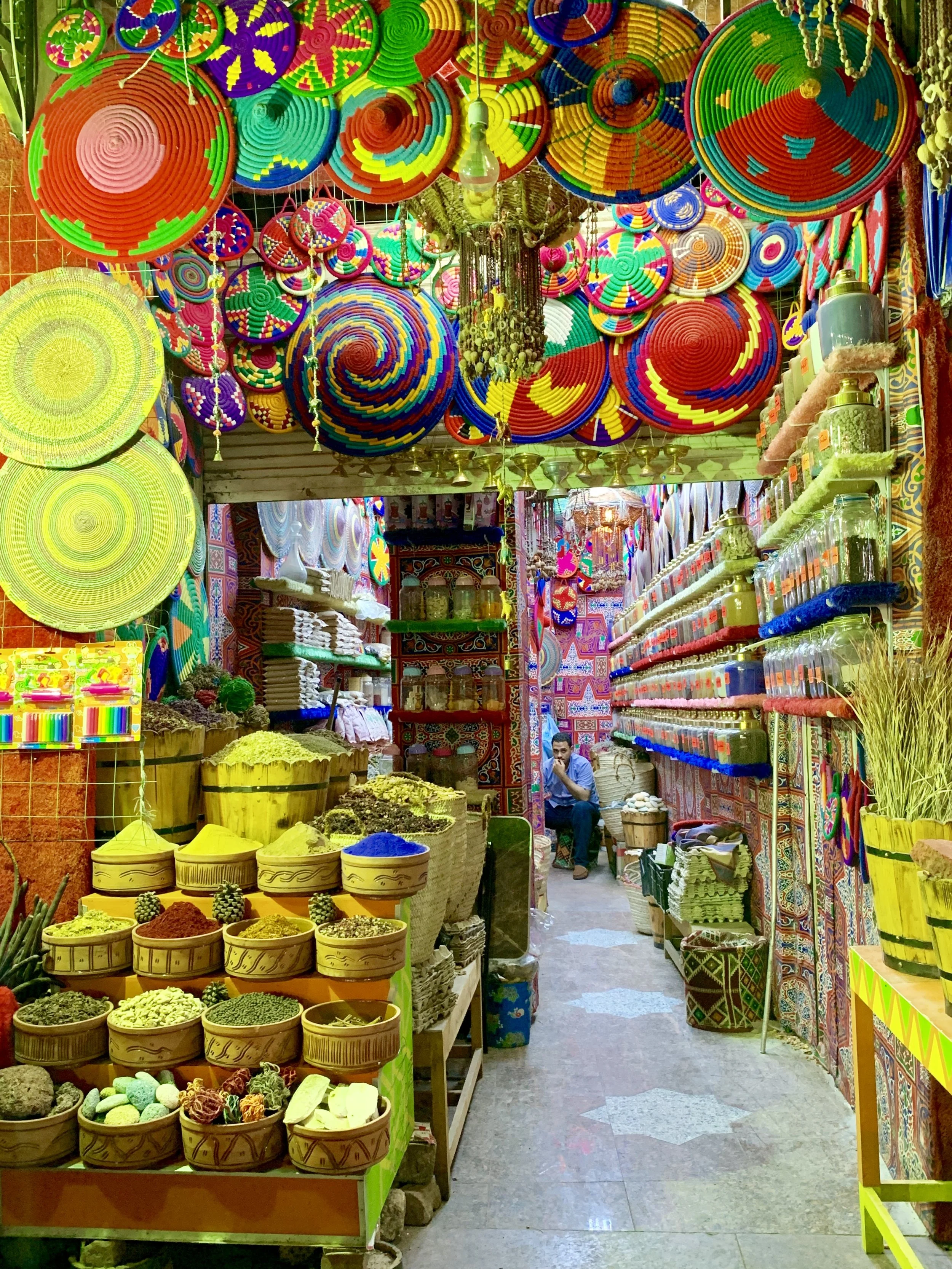
Luxor is known for alabaster carving, but quality varies dramatically. Visit a reputable artisan workshop where you can see the stone being shaped and distinguish locally carved pieces from factory-made imitations.
A small alabaster bowl, lamp, or sculpture feels connected to the landscape and history of Upper Egypt without becoming an impractical souvenir.
Beautiful Egyptian cotton linens, hand-blown glass, and thoughtfully sourced papyrus artwork can also become lasting reminders of the journey.
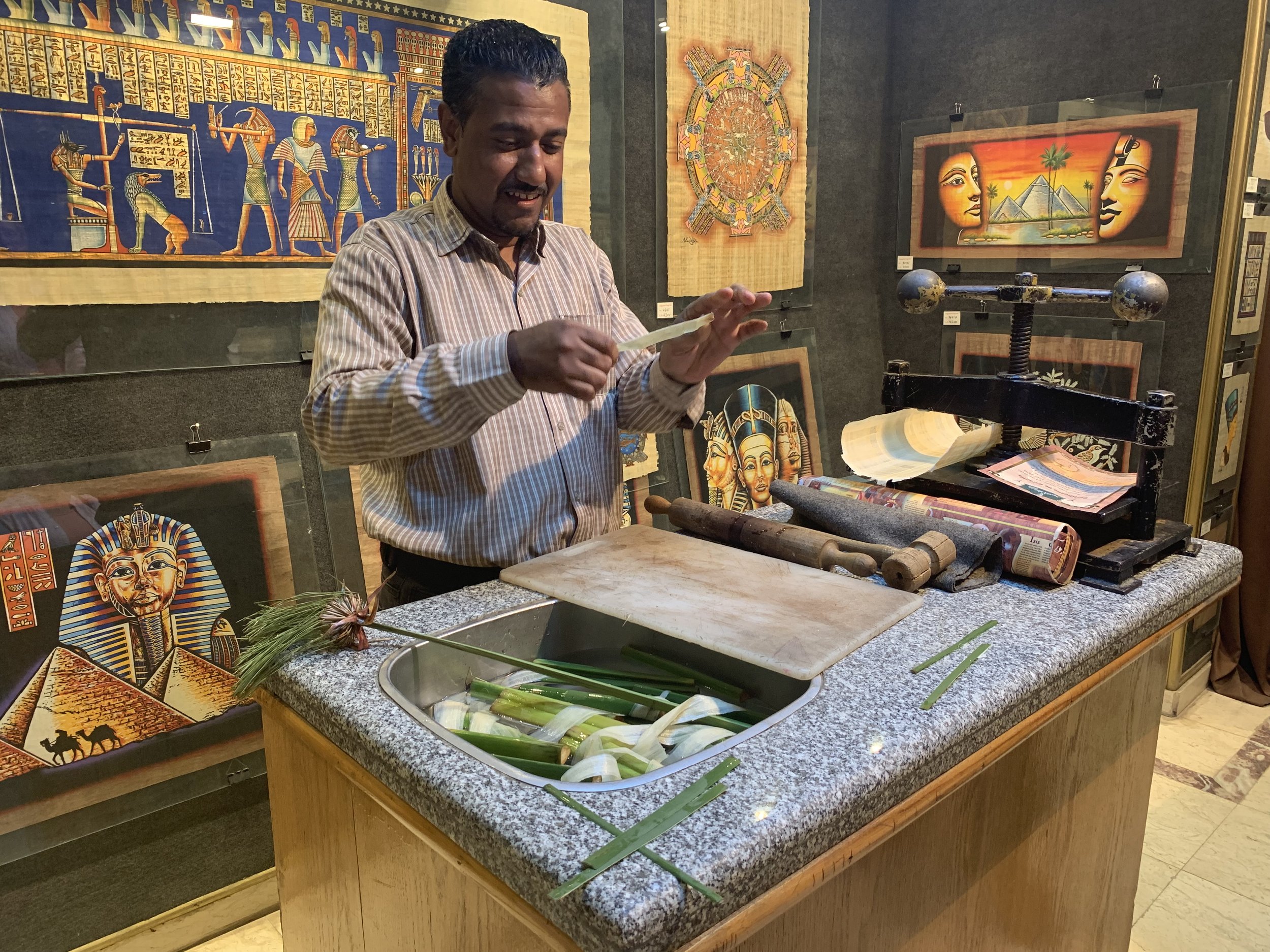
Dreaming about Egypt? We’ll build the journey around it.
3. See the Taj Mahal at Sunrise, India
Why It’s Worth the Journey
Some landmarks are so familiar that you wonder whether seeing them in person can possibly live up to the image already fixed in your mind.
The Taj Mahal does.
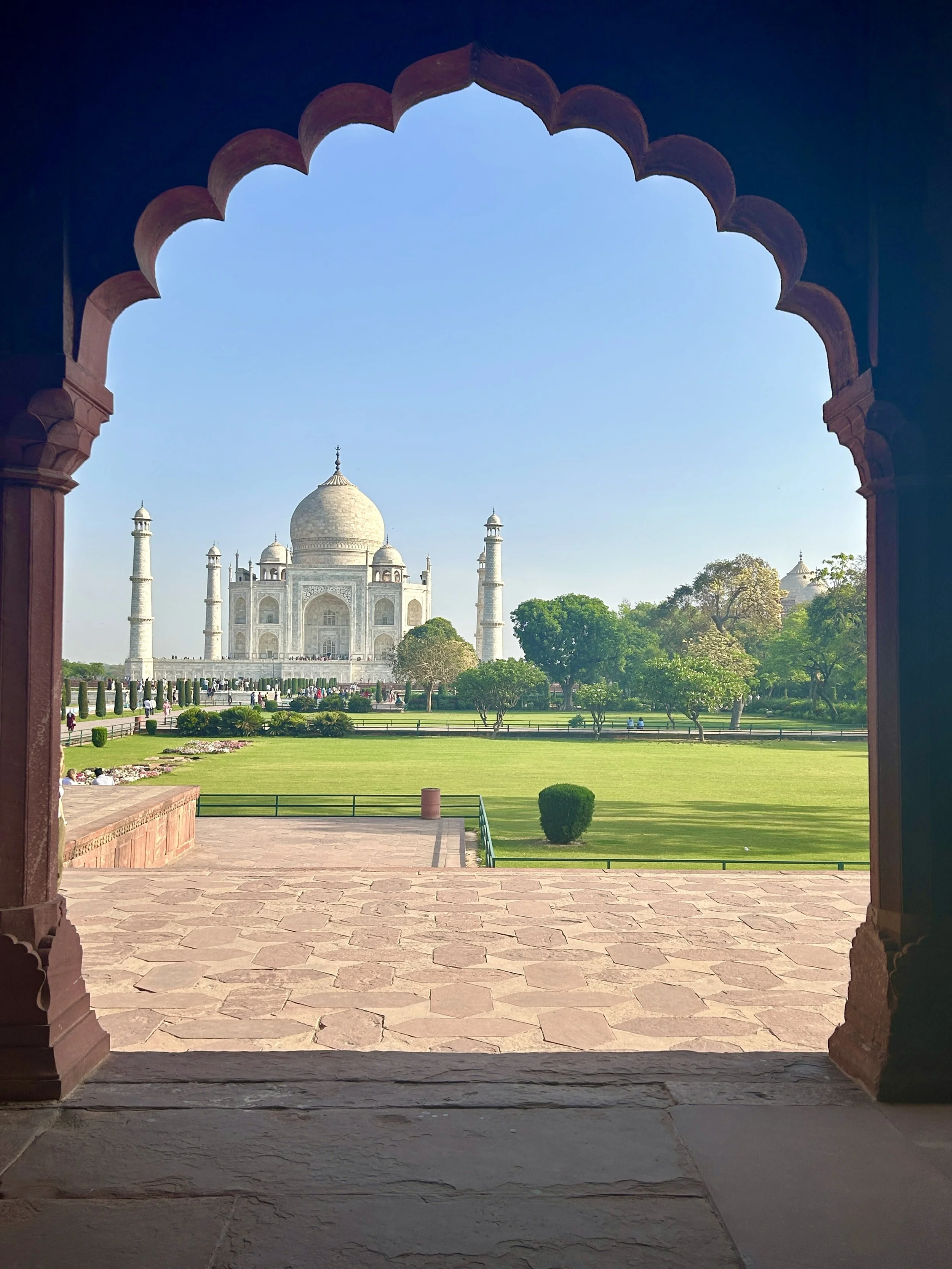
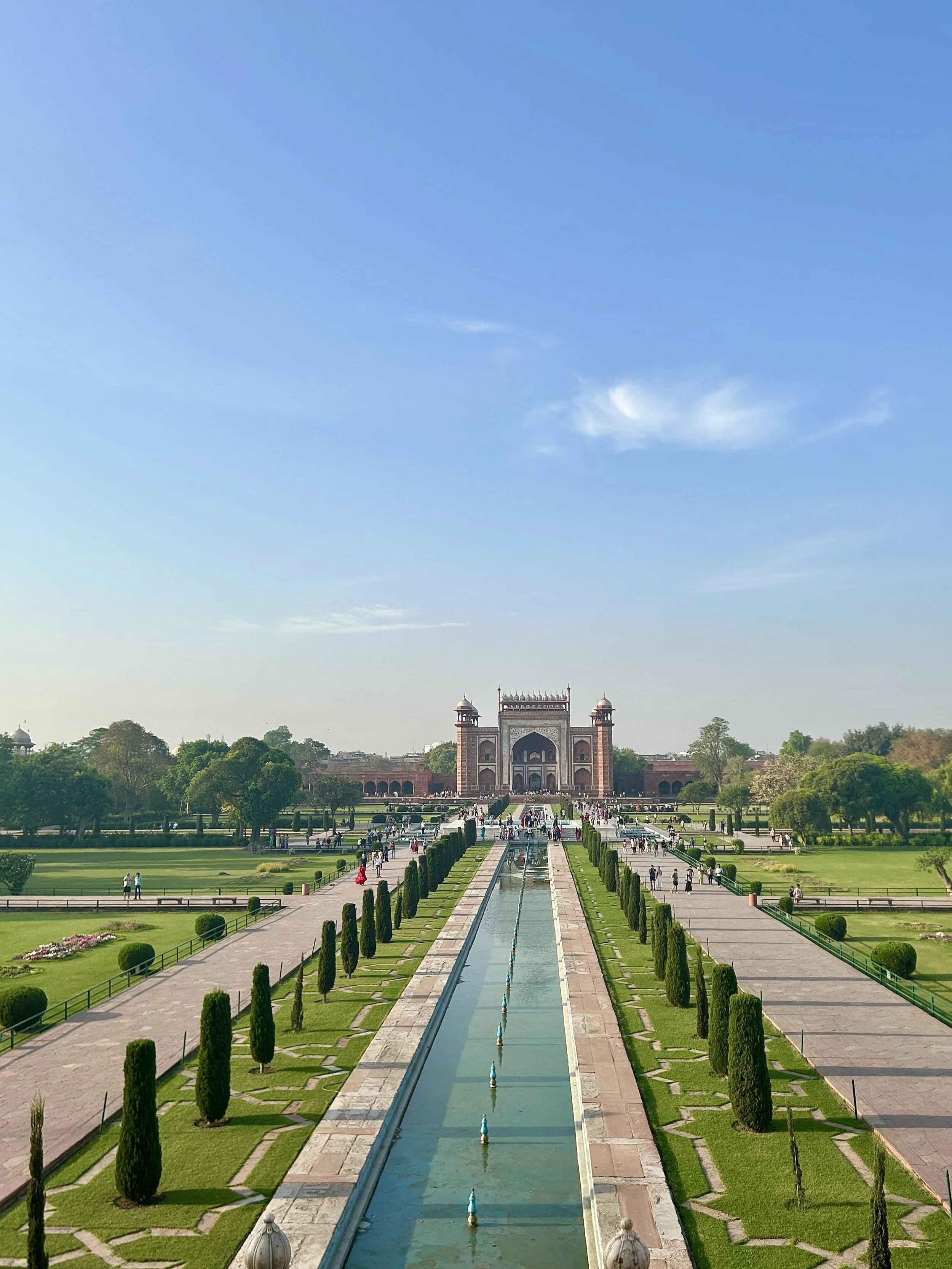
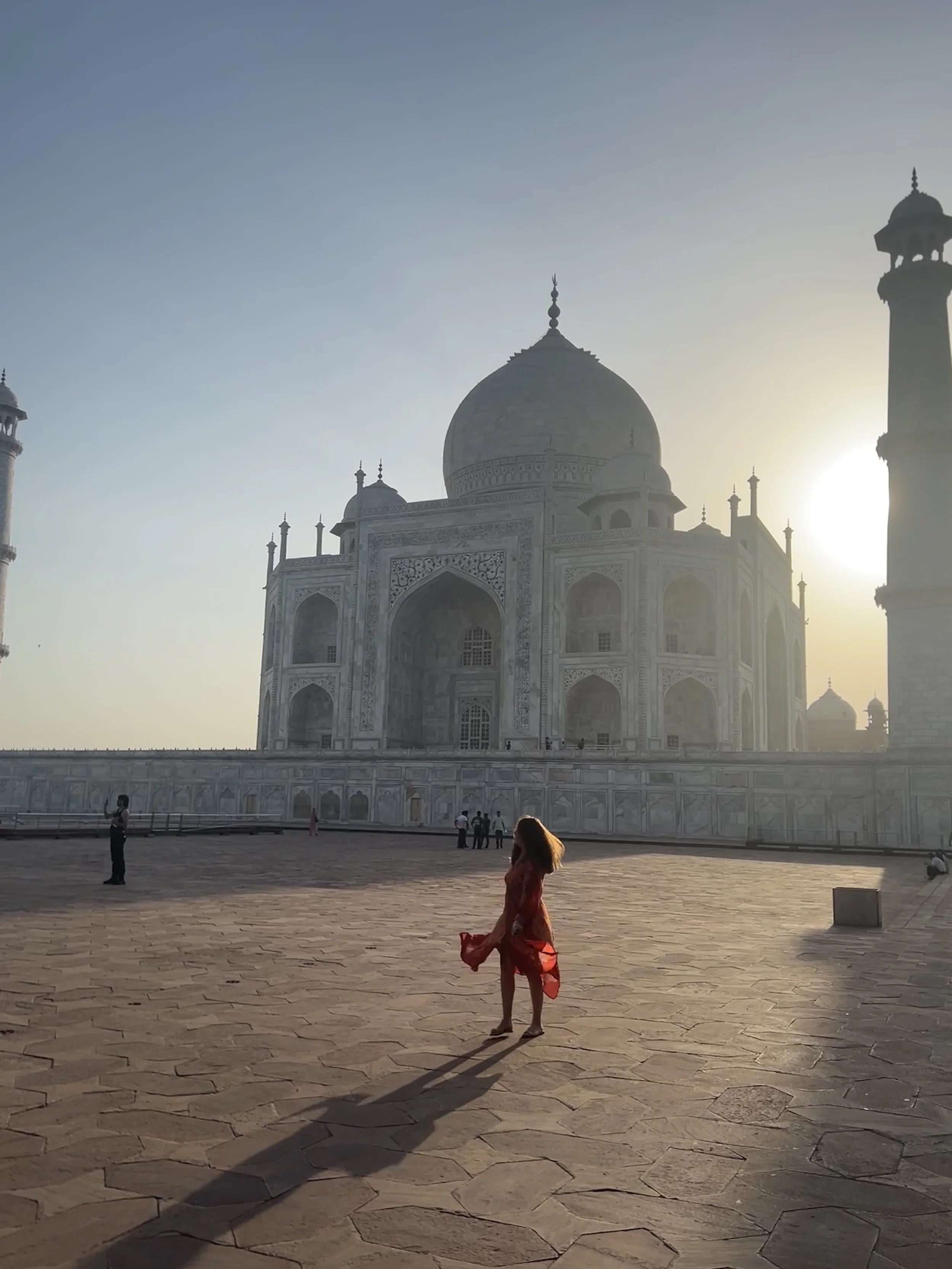
Arrive early, before the day becomes hot and crowded, and walk through the monumental gateway as the first light reaches the white marble. The building seems to change color as the sun rises, moving through cool gray, pale pink, and luminous ivory.
Then the scale becomes apparent.
The Taj Mahal is not simply a beautiful façade. It is a carefully composed complex of gardens, water, symmetry, calligraphy, stonework, and intricate inlay. The closer you look, the more remarkable it becomes.
Its history makes the experience even more moving. Built by the Mughal emperor Shah Jahan as a mausoleum for Mumtaz Mahal, it has become one of the world’s most enduring architectural expressions of love.
That makes it an especially meaningful anchor for a honeymoon or anniversary journey, but India should never be reduced to one romantic monument.
The Taj Mahal is often the reason travelers begin imagining the trip. India then rewards them with palaces, textiles, markets, food, wildlife, craftsmanship, and cultural experiences that could fill months.
Where I’d Stay
The Oberoi Amarvilas, Agra
This may be one of the most perfect hotel-and-experience pairings in the world.
The Oberoi Amarvilas sits approximately 600 meters from the Taj Mahal, and every room and suite offers an uninterrupted view of the monument. Its design draws from Mughal palace architecture through fountains, terraces, reflection pools, pavilions, and gardens.
The hotel allows the Taj Mahal to remain part of the day even after you leave the monument.
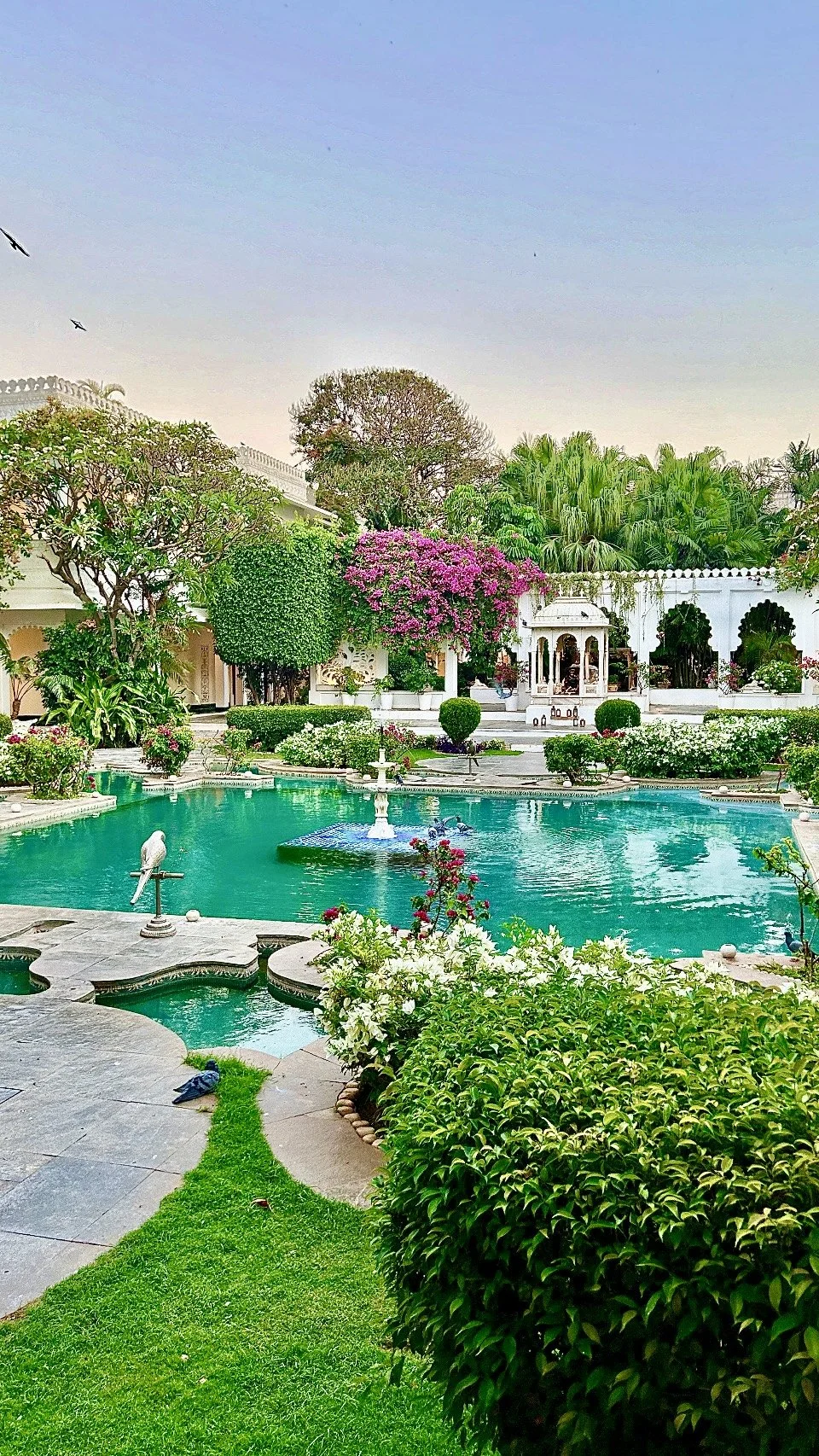
You might watch the light change across its dome from your room, have a private dinner with the silhouette in the distance, or wake the following morning and see it before you have even left your bed.
For a once-in-a-lifetime journey, I would select a room with a private balcony. This is precisely the kind of occasion when the hotel is not an accessory to the experience. It completes it.
Best Time to Go
October through March generally offers the most comfortable weather for northern India.
November through February brings cooler mornings and evenings, although winter haze can occasionally affect visibility. March can be lovely before the most intense summer heat arrives.
The Taj Mahal is closed to general visitors on Fridays, an essential detail when sequencing Agra within a larger itinerary.
Trip Whisperer Tip
Do not treat Agra as a rushed drive-by between Delhi and Jaipur.
The Taj Mahal deserves both sunrise and time to appreciate the hotel afterward. I would usually recommend two nights rather than arriving, touring, and immediately departing.
A longer stay also allows time for Agra Fort, the delicate tomb often called the Baby Taj, and possibly Fatehpur Sikri en route to Jaipur.
Build the itinerary around the monument’s operating schedule, secure an excellent private guide, and leave enough time to enjoy Amarvilas rather than paying for its extraordinary setting and never being there.
Complete the Journey
Begin in Delhi, where historic architecture, contemporary culture, celebrated restaurants, and layered neighborhoods provide an energetic introduction to India.
Continue to Agra for the Taj Mahal and Amarvilas, then travel onward through the royal state of Rajasthan.
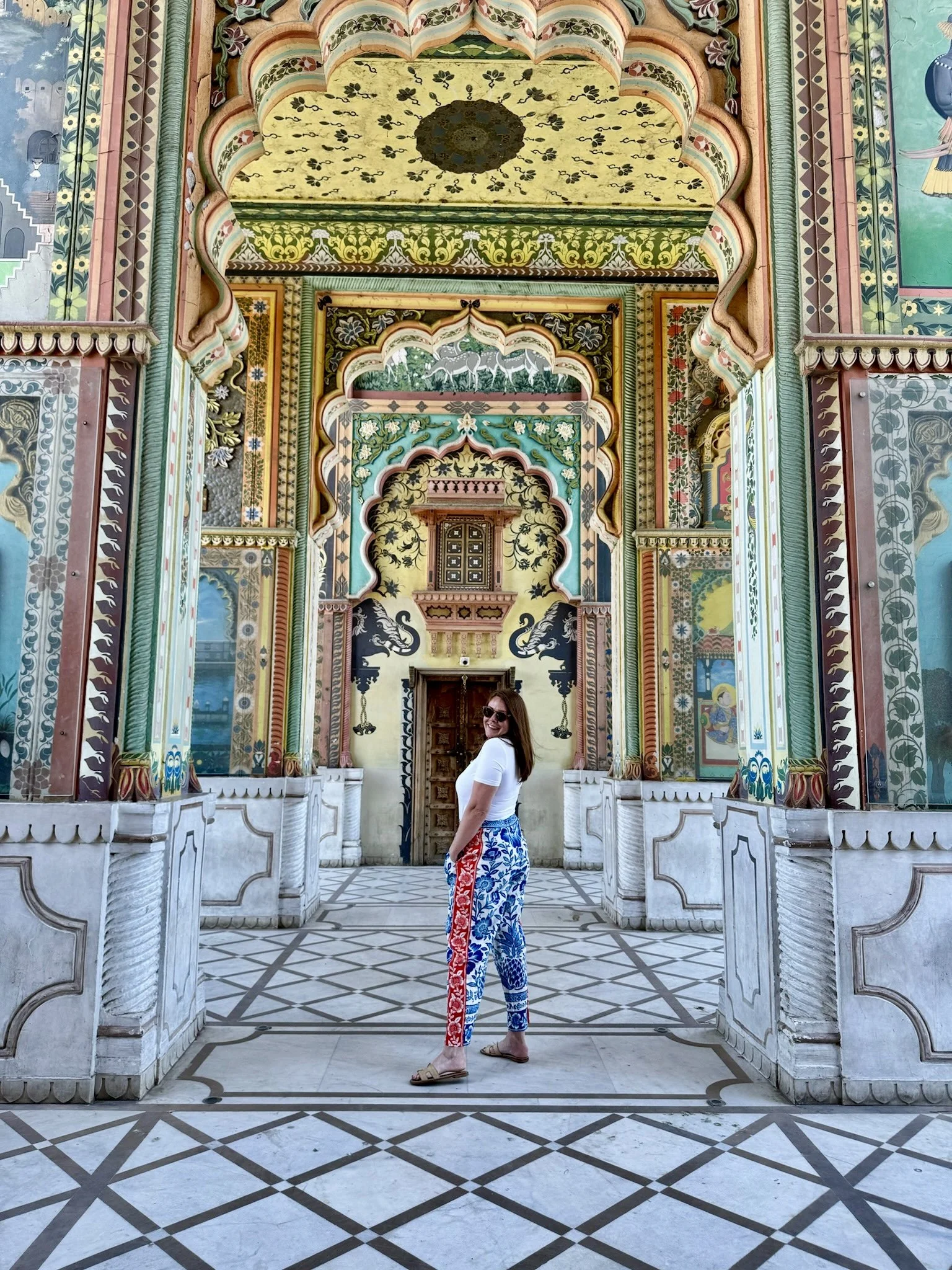
In Jaipur, explore palaces, textile workshops, block printing, jewelry, and local design. Continue to Jodhpur for its blue city and immense fort, or to Udaipur for lakes, palaces, and a romantic finale.
Wildlife lovers can add Ranthambore for the possibility of seeing Bengal tigers in the wild.
The Taj Mahal may be the anchor, but India supplies an almost endless number of ways to turn it into a journey.
Bring Home a Story
India is one of the great destinations for commissioning something personal.
Meet with a trusted tailor in Delhi or Jaipur to select fabric for a jacket, dress, shirt, or suit. The fittings become part of the experience, and the finished piece will carry the memory of the trip every time you wear it.
India’s textile traditions also offer block-printed cottons, hand embroidery, silk, cashmere, and woven fabrics that vary by region.
For the home, Jaipur’s blue pottery or a thoughtfully selected textile can add color and craftsmanship without requiring an additional piece of furniture-sized luggage.
Although, as always, packing a foldable extra bag is wise.
Dreaming about India? We’ll build the journey around it.
4. Arrive at Machu Picchu, Peru
Why It’s Worth the Journey
Machu Picchu is one of the rare places where the journey changes the meaning of the arrival.
For some travelers, that means hiking for several days through cloud forest and mountain passes before the citadel appears through the Sun Gate.
For others, it means boarding a beautiful train through the Sacred Valley, following the Urubamba River as the landscape narrows and rises around you.
Either way, the first glimpse has power.
Stone terraces descend along the mountain. Walls fit together with extraordinary precision. Clouds move between steep green peaks. The citadel seems less built upon the landscape than grown from it.
Photographs capture its recognizable silhouette. They do not capture the altitude, the changing weather, the sound of the river below, or the feeling of standing within a place whose full purpose is still debated.
Machu Picchu rewards time, context, and good guiding. It should not feel like a single crowded photo stop squeezed between transportation schedules.
The most memorable visits allow the site to unfold gradually, perhaps through more than one entry, with enough time to understand the Inca world beyond its most famous landmark.
Where I’d Stay
Sanctuary Lodge, A Belmond Hotel
Sanctuary Lodge occupies a singular position beside the entrance to Machu Picchu. It is the only hotel located next to the citadel, with 31 rooms and suites, gardens, restaurants, and wellness experiences just moments from the site.
The primary luxury here is location.
Staying beside the entrance minimizes the lengthy return journey down to town and allows you to experience the area with greater calm. It is particularly valuable for travelers who want more than one entry, prefer not to rush, or appreciate having a comfortable retreat close at hand.
Inkaterra Machu Picchu Pueblo Hotel
For travelers who want a more expansive property surrounded by cloud forest, Inkaterra offers a deeply atmospheric alternative near Machu Picchu Pueblo.
I would consider the choice between these hotels according to the experience the traveler values most. Sanctuary Lodge offers unrivaled proximity. Inkaterra provides gardens, nature, and a greater feeling of retreat.
Best Time to Go
April through October is generally considered the drier period and the most popular time to visit. Peru’s official tourism site identifies this window as ideal for visiting the citadel, with May marking the beginning of the dry season.
June through August tends to bring the greatest demand. April, May, September, and October can offer a rewarding balance of conditions and somewhat lighter crowds, although mountain weather is never entirely predictable.
Trip Whisperer Tip
Machu Picchu now requires careful advance planning around timed entries, permitted circuits, trains, guides, and accommodations.
The order matters.
Do not book flights to Peru and assume the desired Machu Picchu experience can simply be inserted afterward. Decide whether you want to hike, arrive by luxury train, visit once or twice, and stay beside the citadel or in town.
Then secure those limited pieces before building the rest of the itinerary.
Altitude also deserves respect. Spend time acclimatizing in the Sacred Valley before climbing higher to Cusco. The sequence is more comfortable for most travelers and creates a more graceful journey.
Complete the Journey
Begin in Lima with Peru’s exceptional culinary scene.
Continue to the Sacred Valley, where archaeological sites, markets, mountain scenery, private haciendas, and artisan communities introduce the Inca world at a gentler altitude.
Travel onward to Machu Picchu, either by train or on foot, then finish in Cusco once you have acclimatized.
Travelers with more time might add Lake Titicaca, the Amazon, or a luxury train through the Peruvian highlands.
Food lovers can devote additional time to Lima. Adventure travelers might choose a longer Andean trek. The right version depends on what you want the journey to feel like, not simply how many landmarks can fit into ten days.
Bring Home a Story
Look for a handwoven Andean textile purchased directly from a reputable artisan cooperative.
The colors, fibers, and patterns often communicate regional identity and traditions. Taking time to understand who made the piece and how it was produced makes the object far more meaningful than buying an anonymous textile from a souvenir stall.
A baby alpaca throw, woven table runner, or small wall hanging can become part of your home while preserving a tangible connection to the communities you visited.
Dreaming about Peru? We’ll build the journey around it.
5. Feel the Power of Victoria Falls
Why It’s Worth the Journey
Victoria Falls announces itself before it appears.
You hear a distant roar. Mist rises above the trees. The air becomes cooler and damp. Then the trail opens, and an immense wall of water fills the landscape.
Known locally as Mosi-oa-Tunya, or “The Smoke That Thunders,” Victoria Falls stretches across the border between Zambia and Zimbabwe. Its character changes dramatically with the seasons.
During periods of high water, the volume is overwhelming. Spray can obscure sections of the falls completely, soaking visitors within minutes and creating rainbows in the shifting light.
As water levels recede, the rock formations and individual cataracts become more visible. Activities such as swimming near the edge at Devil’s Pool may become possible when conditions permit.
There is no single correct version of Victoria Falls. There are different versions, each with its own drama.
That seasonality is why this experience benefits from thoughtful planning. The best time depends on whether your priority is maximum water, clearer photography, adventure activities, or combining the falls with safari.
Victoria Falls also works beautifully as an anchor because it connects naturally to southern Africa’s wildlife regions. A few days here can become the dramatic beginning or conclusion to a much larger journey.
Where I’d Stay
The Royal Livingstone Victoria Falls Zambia Hotel by Anantara
The Royal Livingstone occupies an extraordinary position close to the Zambian side of the falls. Guests can experience the landscape from a resort where zebras and giraffes roam the grounds, making the setting feel immediately connected to Africa.
The property completed a comprehensive refresh of its 93 rooms in 2026, giving this historic resort a timely update while preserving its grand, riverfront character.
This is where I would stay for travelers who want proximity, established service, and the romance of cocktails or afternoon tea overlooking the Zambezi.
Matetsi Victoria Falls
Matetsi is the showstopping choice for travelers who want to combine the falls with a genuine private-reserve experience.
The lodge sits along a private section of the Zambezi in Zimbabwe and pairs contemporary African design with river views, locally made details, safari activities, and access to Victoria Falls.
I would choose Matetsi for a honeymoon, milestone trip, or traveler who wants the hotel to feel as memorable as the waterfall itself.
Best Time to Go
February through May generally brings the greatest water volume following seasonal rains, creating the most thunderous version of the falls.
June through August often offers a strong balance of water, visibility, comfortable temperatures, and safari opportunities.
September through December tends to bring lower water levels, clearer views of the gorge, and access to certain seasonal activities, although the Zambian side can become significantly drier. Minor Hotels identifies mid-August through December as a rewarding, less-traveled shoulder period.
Trip Whisperer Tip
Choose the side and season according to the experience you want.
High water can be magnificent, but the spray may obscure the falls and drench cameras. Lower water provides greater visibility and certain adventure opportunities, but the waterfall may appear less dramatic in some areas.
I also recommend carrying proper footwear, a waterproof layer, and protection for phones and cameras. The elegant poncho you imagined may quickly become a practical raincoat.
Where possible, experience the falls from more than one perspective: on foot, from the river, and perhaps from the air.
Complete the Journey
Spend two or three nights at Victoria Falls, allowing time for a guided walk, a sunset cruise on the Zambezi, and a helicopter flight if desired.
Continue into Botswana for the Okavango Delta and Chobe, or explore Zimbabwe through Hwange National Park.
South Africa can add Cape Town, the Winelands, and another safari region. For a particularly memorable southern African journey, combine Victoria Falls with Botswana’s waterways and an exceptional lodge where wildlife remains part of the experience from morning until night.
The falls provide the drama.
Safari gives the journey depth.
Bring Home a Story
Zimbabwe is celebrated for Shona stone sculpture, an artistic tradition shaped by locally sourced stone and generations of carving knowledge.
Visit a respected gallery, studio, or cooperative where you can learn about the artist, material, and meaning behind the work. A small sculpture can carry surprising presence and become one of those pieces visitors notice immediately in your home.
Handwoven baskets and locally crafted objects using copper, wood, or natural fibers are practical alternatives for travelers with limited luggage space.
This may be the moment to use the foldable extra bag you wisely packed.
Dreaming about Victoria Falls? We’ll build the journey around it.
Part II: Into the Wild
There are places where nature reminds us that we are visitors.
Some journeys are measured in monuments, meals, and miles traveled.
Others are remembered through a single movement in the grass.
A silverback stepping out of the forest.
A line of wildebeest stretching toward the horizon.
A lion appearing beside the vehicle just as the sun begins to rise.
The spotted back of a whale shark emerging from blue water.
A sea lion swimming directly toward you in the Galápagos, seemingly as curious about your presence as you are about its.
The greatest wildlife experiences do not feel staged for our benefit. They unfold according to rhythms that began long before we arrived and will continue after we leave.
That is part of their power.
They remind us that the world remains far wilder, older, and more extraordinary than our everyday routines often allow us to remember.
Experiencing these places also comes with responsibility. The right guides, camps, vessels, conservation programs, and locally rooted partners do more than make a trip comfortable. They help protect fragile habitats, support nearby communities, and preserve the possibility that future generations will encounter these animals in the wild too.
These are not performances.
They are privileges.
6. Look a Mountain Gorilla in the Eyes, Rwanda
Why It’s Worth the Journey
The forest becomes quiet when the trackers signal that the gorillas are close.
You may have spent the morning hiking through bamboo, damp vegetation, and volcanic foothills. Your boots are muddy. Your heart is beating faster from the altitude and anticipation. Then a branch moves.
A gorilla appears.
Perhaps it is a young gorilla tumbling through the leaves or a mother holding her infant close. Perhaps the silverback is already seated nearby, enormous and composed, watching over the family with an authority that requires no display.
For one extraordinary hour, you become a quiet visitor in their world.
You observe the way they groom one another, play, eat, rest, and communicate. Their expressions and gestures feel startlingly familiar. Then one of them looks directly at you, and the emotional distance between human and animal seems to disappear.
It is difficult to explain this encounter without relying on words such as profound or life-changing. Both are accurate, but neither fully captures the intimacy of sitting a few feet from a wild mountain gorilla.
Rwanda limits the number of daily visitors. Eight permits are issued for each habituated gorilla family, with only 96 trekking permits available across Volcanoes National Park each day. Advance booking is strongly recommended.
The limited access helps keep the encounter controlled and relatively unobtrusive. It also means the permit must become the first fixed piece of the journey, not something added after the flights and hotel have already been booked.
Where I’d Stay
Wilderness Bisate
Bisate is one of the most distinctive lodge experiences in Africa.
Its villas sit within a dramatic volcanic landscape near Volcanoes National Park, with interiors and architecture inspired by Rwandan royal traditions. Fireplaces, sweeping views, beautiful meals, and deeply attentive hospitality provide a place to absorb what you have just experienced rather than immediately moving on to the next activity.
The property is also part of an active reforestation and conservation effort intended to help expand indigenous forest and gorilla habitat. Guest stays help support that work, making the lodge feel connected to the future of the landscape rather than merely positioned beside it.
Bisate is where I would stay if I wanted the lodge to be as emotionally resonant as the trek itself.
Wilderness Bisate Reserve
For travelers seeking an even more private version of the experience, Bisate Reserve has only four Forest Villas. Each offers panoramic views of six volcanoes, private experiences, and an unusually high level of space and seclusion.
This is a serious investment, but it makes sense for a honeymoon, multigenerational celebration, or traveler who wants one of Africa’s most exclusive lodge experiences.
Singita Kwitonda Lodge
Singita Kwitonda occupies an exceptional position on the edge of Volcanoes National Park, close to the park headquarters from which the treks depart.
Its suites include heated plunge pools and fireplaces, while the lodge also offers a conservation lounge, nursery, farm-to-table garden, wine experiences, and a gear room designed around trekking days.
Kwitonda delivers contemporary luxury while preserving a strong connection to the land, conservation, and Rwandan craftsmanship.
Best Time to Go
Gorilla trekking is available throughout the year.
June through September and December through February generally bring drier conditions, which can make the forest trails more manageable.
The wetter months can mean muddier trekking, but they also bring lush vegetation and fewer travelers. Conditions vary from day to day, and rain is always possible in a high-altitude rainforest.
The best time is ultimately the period when permits, the right lodge, and the rest of your African journey align.
Trip Whisperer Tip
Secure the gorilla permit first.
Permits are assigned to a specific date, and the most desirable lodges have very limited inventory. Once that foundation is confirmed, we can connect Kigali, road transfers, trekking days, international flights, and any safari extension around it.
I also recommend planning more than one night near the park. Arriving, trekking the next morning, and leaving immediately afterward gives you little time to appreciate the lodge or emotionally process the experience.
For many travelers, two treks are worth considering. Each gorilla family and encounter is different, and a second day also protects against illness or an unexpectedly difficult first trek.
Hire a porter, even if you believe you do not need one. The support is helpful on steep or slippery ground, and porter fees create direct local employment around conservation tourism.
Complete the Journey
Begin with one or two nights in Kigali, allowing time to understand Rwanda’s history, contemporary culture, food, and remarkable transformation.
Continue to Volcanoes National Park for at least three nights, with one or two gorilla treks, time at the lodge, and perhaps golden monkey trekking or a conservation experience.
From Rwanda, fly into Tanzania for Tarangire, the Ngorongoro Crater, and the Serengeti. This combination brings together one of the world’s most intimate wildlife encounters with the vast scale of a classic East African safari.
Finish on Zanzibar, where several days by the Indian Ocean give the journey a softer ending.
The result is not simply gorilla trekking plus safari. It is a progression from forest to savannah to sea.
Bring Home a Story
Rwanda’s woven agaseke, often called a peace basket, makes a beautiful and meaningful addition to a home.
Traditionally crafted by women using natural fibers, the baskets are known for their precise geometric patterns and distinctive fitted lids. They can represent friendship, welcome, reconciliation, and shared purpose.
Look for a high-quality piece through a cooperative, lodge boutique, or respected local artisan program that can tell you who made it and how your purchase supports the maker.
Rwandan coffee, contemporary art, pottery, and imigongo pieces made through a traditional cow-dung art form are other thoughtful choices.
Dreaming about meeting the mountain gorillas? We’ll build the journey around it.
7. Lose Yourself in the Silence of Namibia
Why It's Worth the Journey
There are destinations that impress you.
Then there are destinations that completely change your sense of scale.
Namibia belongs to the second group.
The first morning begins before sunrise as the desert slowly shifts from deep purple to burnt orange. Massive dunes emerge from the darkness. Ancient camel thorn trees cast long shadows across white clay pans. The silence is so complete that it becomes part of the experience.
For much of the journey, there is almost nothing.
No crowds.
No cities.
No constant notifications demanding your attention.
Just endless desert, enormous skies, and landscapes that seem almost impossible to exist on Earth.
Namibia reminds you that emptiness can be one of travel's greatest luxuries.
The country's beauty is never loud.
It reveals itself slowly.
A winding gravel road disappears into the horizon.
An oryx walks effortlessly across the dunes.
Thousands of stars emerge after sunset because there is almost no light pollution anywhere around you.
Every day feels cinematic, yet strangely peaceful.
Unlike many destinations that ask you to do more, Namibia invites you to slow down.
To look farther.
To stay longer.
To appreciate just how extraordinary simplicity can be.
Where I'd Stay
&Beyond Sossusvlei Desert Lodge
If there is one hotel that captures the spirit of Namibia, this is it.
Hidden within a private desert reserve bordering Namib-Naukluft National Park, the lodge blends effortlessly into its surroundings while offering extraordinary comfort. Suites feature skylights above the bed for stargazing, private plunge pools, and uninterrupted views across one of the oldest deserts on Earth.
This is where I would begin the journey.
Shipwreck Lodge
There is nowhere else quite like Shipwreck Lodge.
Inspired by the shipwrecks scattered along Namibia's Skeleton Coast, the cabins appear almost as though they have washed ashore themselves.
The landscape feels wonderfully remote, where towering dunes meet the Atlantic Ocean and desert-adapted wildlife somehow survives between the two.
It's one of Africa's most unforgettable places to spend a night.
Serra Cafema
Set along the Kunene River on Namibia's northern border, Serra Cafema feels like the edge of the world.
The contrast between the river, the surrounding dunes, and the traditional Himba communities creates one of Africa's most distinctive luxury experiences.
For travelers who have already explored more traditional safari destinations, this offers something entirely different.
Best Time to Go
May through October offers Namibia at its finest.
The dry season brings comfortable daytime temperatures, brilliantly clear skies, and exceptional wildlife viewing as animals gather around limited water sources.
It is also one of the best places on Earth for stargazing, with almost no light pollution across much of the country.
The shoulder seasons reward photographers with dramatic skies, softer light, and fewer visitors.
Trip Whisperer Tip
Namibia is one of the few destinations where the drive is every bit as memorable as the arrival.
Don't rush from landmark to landmark.
Spend multiple nights in each region and embrace the slower pace.
The changing scenery becomes part of the experience, and some of your favorite memories may come from stretches of road where you never expected to stop.
If your budget allows, combine a self-drive itinerary with one or two scenic charter flights.
Seeing the dunes, canyons, and Skeleton Coast from above offers an entirely different appreciation for the scale of the landscape.
Complete the Journey
Begin among the towering dunes of Sossusvlei before continuing to Swakopmund and the Skeleton Coast.
Travel north into Damaraland to search for desert-adapted elephants, ancient rock art, and some of Africa's most dramatic scenery.
Finish with several nights in Etosha National Park, where floodlit waterholes provide extraordinary wildlife viewing long after the sun goes down.
For travelers with more time, continue into Cape Town and the Cape Winelands for one of Africa's greatest combinations of desert, coast, food, and wine.
Namibia rarely feels like a once-in-a-lifetime trip.
It feels like the beginning of a lifelong fascination.
Bring Home a Story
Look for handcrafted Himba baskets, contemporary Namibian ceramics, woven textiles, or photography books celebrating the country's extraordinary landscapes.
The most meaningful souvenir is rarely the most expensive.
It's the piece that instantly transports you back to the silence of the desert, the endless horizon, or the night sky above your lodge.
Dreaming of standing atop the world's tallest dunes beneath an endless African sky? We'll build the journey around it.
8. Discover the Many Faces of South Africa
Why It's Worth the Journey
Few countries offer as much variety in a single itinerary as South Africa.
One morning begins with breakfast overlooking the Atlantic Ocean.
That afternoon you're tasting Chenin Blanc beneath centuries-old oak trees.
A few days later, you're watching a leopard emerge from the bush as the sun sets across the savanna.
It feels less like one vacation and more like several remarkable journeys woven together.
South Africa has a rare ability to satisfy different travelers all at once.
Food lovers discover one of the world's most exciting culinary destinations.
Wine enthusiasts find vineyards that rival anywhere in Europe.
Wildlife lovers experience some of Africa's finest guiding and conservation.
Adventure seekers can hike mountains, drive spectacular coastlines, watch whales, or spend days exploring the Cape Peninsula.
What makes South Africa unforgettable is not simply that it offers all of these experiences.
It's how naturally they connect.
Instead of choosing between a city escape, wine country, or safari, you can experience all three in one beautifully balanced journey.
Where I'd Stay
Ellerman House
Perched above Bantry Bay, Ellerman House feels more like a private residence than a hotel.
Its extraordinary art collection, warm hospitality, and panoramic ocean views make it one of Cape Town's most refined places to begin a South African adventure.
I love how it immediately immerses you in South African culture through its cuisine, wines, and artwork before you've even left the property.
Mount Nelson, A Belmond Hotel
Affectionately known as "The Nellie," this Cape Town icon has welcomed travelers for more than a century.
Its gardens, timeless elegance, and legendary afternoon tea offer a slower pace between days exploring Table Mountain, the V&A Waterfront, and the Cape Peninsula.
It's one of those hotels that feels woven into the history of the city itself.
The Royal Portfolio
Few hotel collections showcase South Africa as beautifully as The Royal Portfolio.
Whether it's La Residence in Franschhoek surrounded by vineyards, Royal Malewane overlooking the African bush, or one of their other extraordinary properties, every stay reflects a deep sense of place, exceptional design, and genuinely personal hospitality.
For travelers wanting to experience the very best of South Africa, this collection creates a seamless journey from the Winelands to safari.
Best Time to Go
South Africa is a year-round destination, but each region shines at different times.
September through November and March through May offer beautiful weather for Cape Town and the Cape Winelands.
Safari viewing is generally at its best during the dry months from May through September, when wildlife gathers around water sources and vegetation is less dense.
September often provides one of the best opportunities to combine both experiences.
Trip Whisperer Tip
Don't rush through Cape Town.
Many itineraries dedicate only two nights before heading on safari.
I recommend spending at least three or four nights exploring Cape Town, followed by several nights in the Winelands before ending with three or four nights on safari.
Each region deserves time to tell its own story.
The journey becomes richer when you allow yourself to settle into each destination rather than simply checking it off a list.
Complete the Journey
Begin in Cape Town, where dramatic mountains meet the Atlantic Ocean.
Continue into Franschhoek or Stellenbosch for exceptional food, wine, and relaxed countryside living.
Finish with several unforgettable nights on safari in the Greater Kruger region before returning home.
If your schedule allows, extend the journey to Hermanus during whale season, the Garden Route, or pair South Africa with neighboring Namibia for one of the continent's most extraordinary combinations of landscapes.
South Africa has a remarkable way of convincing travelers that one visit will never be enough.
Bring Home a Story
Seek out contemporary South African art, handcrafted ceramics, woven textiles, or locally made jewelry from galleries and studios that celebrate the country's remarkable creative talent.
The pieces you'll treasure most are the ones connected to the people who made them.
Years later, they'll remind you that South Africa wasn't simply a safari destination.
It was a journey through extraordinary food, wine, culture, landscapes, and wildlife, all within one unforgettable country.
Dreaming of a journey that blends world-class food, wine, wildlife, and culture? We'll design every chapter of the story.
9. Swim Beside Whale Sharks at Ningaloo Reef, Australia
Why It’s Worth the Journey
The first impression is scale.
A dark shape appears beneath the surface, moving with an ease that seems impossible for an animal of its size. Then the spots become visible. The broad head, enormous mouth, and long body glide through the water while you swim nearby.
Whale sharks are the largest fish in the world, yet the encounter is defined by calm rather than fear.
They feed primarily on plankton and move with a quiet grace that makes being in the water beside them feel almost meditative. You are fully aware of their size, but also of how little interest they have in performing for you.
Ningaloo Reef, along Western Australia’s remote coast, is one of the world’s most remarkable places to experience them. The reef lies close to shore, where coral, marine life, rugged coastline, and the red earth of Cape Range National Park meet.
This is not a polished resort corridor. Reaching Ningaloo requires commitment.
That is part of its appeal.
The journey delivers a sense of remoteness that has become increasingly rare, followed by days shaped around the ocean. Depending on the season, travelers may encounter whale sharks, manta rays, turtles, humpback whales, dolphins, and an immense variety of reef life.
The whale shark swim is the anchor.
The surrounding wilderness makes it a complete expedition.
Where I’d Stay
Sal Salis Ningaloo Reef
Sal Salis is the natural pairing for this experience.
Its safari-style tents sit within the dunes of Cape Range National Park, a short distance from Ningaloo Reef. The setting brings together the Australian outback and the Indian Ocean, allowing guests to move from a wilderness camp to snorkeling, kayaking, and marine encounters without losing the sense of place.
Whale sharks generally migrate through the region from mid-March into the later winter months. Sal Salis offers dedicated whale shark experiences during the season and notes that Ningaloo is one of the relatively few places where the animals appear regularly in meaningful numbers.
The camp is intentionally off-grid and intimate. This is not the place for travelers seeking a large spa resort or nightlife.
It is where I would stay for clients who want to wake near the reef, spend their days in the water, and end with dinner beneath a vast night sky.
Best Time to Go
March through August is the core whale shark period commonly associated with Ningaloo, although sightings can extend later depending on conditions.
Manta rays can be present across a broader portion of the year, while humpback whales migrate through the region later in the season.
Travel timing should be selected according to the marine encounter that matters most rather than weather alone.
Trip Whisperer Tip
This experience requires more than reserving a snorkeling tour.
Ningaloo is remote, and the international flights, Australian domestic connections, road or air transfers, camp dates, and marine excursion all need to align.
Build more than one ocean day into the itinerary. Wildlife is never guaranteed, and conditions can affect departures.
Choose an operator that follows strict interaction guidelines and uses responsible spotting and swimming practices. The privilege of entering the water with these animals comes with an obligation not to crowd, chase, or disrupt them.
Travelers should also be comfortable snorkeling in open water. Strong swimming skills and realistic expectations will make the experience far more enjoyable.
Complete the Journey
Begin with time in Perth, then travel north to Ningaloo Reef for four or five nights.
Give yourself enough time for the whale shark swim, reef snorkeling, kayaking, guided walks, and an unstructured day at camp.
Continue south into Margaret River for food, wine, and a softer conclusion, or build Ningaloo into a wider Australian journey that includes Sydney, the Great Barrier Reef, Tasmania, or the country’s interior.
Australia is vast, and distances should not be underestimated. It is better to combine two or three regions thoughtfully than to turn the trip into a sequence of airport lounges.
Bring Home a Story
Bring home a piece by an Australian artist whose work reflects the coast, marine life, or landscape, ideally purchased through a gallery or community-connected program that can provide clear information about the maker.
Photography is especially meaningful here. Consider professionally printing one of your own underwater images or purchasing a conservation-focused print from a local photographer.
A framed image of the whale shark encounter can preserve the scale and emotion of the experience without turning wildlife into a commodity.
10. Walk Among the Fearless Wildlife of the Galápagos
Why It’s Worth the Journey
The Galápagos changes the usual relationship between traveler and wildlife.
Animals do not always retreat when you approach.
A sea lion may swim toward you. Marine iguanas remain piled along volcanic rocks. Blue-footed boobies perform elaborate courtship displays only a short distance from the trail. Giant tortoises move slowly through the highlands with the unhurried confidence of creatures that can live for more than a century.
The islands feel like a living study of adaptation.
Each landing reveals another variation. One island may be dry and sculpted by lava. Another may hold green highlands, nesting birds, or clear water filled with rays, turtles, penguins, and playful sea lions.
The Galápagos is often described as a wildlife destination, but that does not fully capture its impact.
It is a place that changes how you think about evolution, isolation, vulnerability, and the relationship between species and landscape.
The experience also asks for participation. You will board Zodiacs, walk uneven trails, step onto beaches, snorkel in open water, and listen closely to naturalist guides who make the details visible.
The more curious you are, the more the islands reveal.
Where I’d Stay
Ecoventura’s Origin, Theory or Evolve
Ecoventura is one of my strongest recommendations for travelers who want the intimacy of a small yacht combined with exceptional hospitality.
Its vessels carry no more than 20 guests, creating smaller excursion groups and a more personal onboard atmosphere. Origin, Theory, and Evolve operate as Relais & Châteaux expedition yachts, combining naturalist-led exploration with refined dining and thoughtful service.
This is a particularly compelling choice for honeymooners, couples, families, and travelers who prefer a boutique experience over a larger ship.
The yacht is not simply transportation between islands. It becomes your hotel, dining room, observation platform, and place to discuss everything you have seen that day.
Silver Origin
Silver Origin offers a larger and more fully serviced expedition experience while remaining purpose-built for the Galápagos.
The all-suite ship carries up to 100 guests and includes Ecuadorian naturalist guides, eight Zodiacs, and a high crew-to-guest ratio. Every suite includes butler service.
I would consider Silver Origin for travelers who want greater space, broader onboard facilities, and Silversea’s service model while still maintaining a strong focus on the destination.
Best Time to Go
The Galápagos can be visited throughout the year.
December through June generally brings warmer air and water, greener landscapes, intermittent rain, and often calmer seas.
July through November tends to bring cooler water, drier conditions, nutrient-rich currents, and strong marine activity.
Wildlife calendars vary by species. Courtship, nesting, hatching, pupping, and migration patterns create different highlights throughout the year.
The best month depends on what you most want to see and how sensitive you are to water temperature or sea conditions.
Trip Whisperer Tip
Choose the vessel and itinerary before focusing on the cabin.
In the Galápagos, the route, naturalist team, excursion group size, activity level, and time spent ashore matter more than decorative differences between suites.
Protected visitor sites require authorized naturalist guides, and travelers must remain on designated trails and maintain distance from wildlife even when the animals approach them.
I generally recommend a full seven-night sailing rather than the shortest available option. Reaching the islands requires meaningful travel time, and a longer itinerary provides greater ecological variety without making the experience feel rushed.
Arrive in mainland Ecuador at least one night before the Galápagos flight. International delays should never be allowed to threaten an expedition departure.
Complete the Journey
Begin in Quito, where colonial architecture, contemporary Ecuadorian culture, markets, and nearby highlands provide context before the islands.
Fly to the Galápagos for a seven-night expedition cruise, choosing the route and vessel according to your wildlife interests and preferred style of travel.
Afterward, return to mainland Ecuador for the cloud forest, hacienda country, or the Amazon.
The Galápagos can also pair beautifully with Peru, connecting the islands with Lima, the Sacred Valley, Cusco, and Machu Picchu.
This creates one of South America’s greatest journeys, combining wildlife, culture, food, archaeology, and destination-worthy hotels in a single thoughtfully paced itinerary.
Bring Home a Story
The Galápagos is not the place to collect shells, stones, coral, feathers, or anything taken from the natural environment.
Instead, look for work created by Ecuadorian artists using sustainable materials.
A carving made from tagua, sometimes called vegetable ivory, can be a compact and beautiful choice. Ecuadorian chocolate, textiles, ceramics, photography, and a properly sourced Panama hat, which is historically Ecuadorian despite its name, can also carry the story home.
Choose something that supports local craftsmanship without removing anything from the ecosystem you traveled so far to experience.
Dreaming about the Galápagos? We’ll build the journey around it.
Part III: Nature at Its Most Powerful
Some places make us feel small in exactly the way we need.
Nature does not need our attention to be extraordinary.
Water continues carving through rock. Glaciers shift across valleys. Desert winds redraw the dunes. The aurora moves through the night sky whether anyone is awake to witness it or not.
Perhaps that is why encountering these places can feel so restorative.
They interrupt our certainty that everything should operate according to our schedule. They remind us that weather changes, wildlife moves, ice determines the route, and some mornings the clouds simply refuse to lift.
Thoughtful planning cannot control nature.
It can place us in the right landscape, during the right season, with enough time and flexibility to experience its power without rushing through it.
11. Walk Beside Iguazú Falls Before the Crowds Arrive
Why It’s Worth the Journey
Iguazú is not one waterfall.
It is a vast system of cascades, islands, rainforest, trails, mist, and rushing water spread across the border between Argentina and Brazil.
You hear it before you fully understand its scale.
As the pathways move through the forest, individual falls appear between the trees. Some descend in delicate ribbons. Others crash into the river with enough force to send clouds of spray high above the gorge.
Then you reach the great panoramic viewpoints and realize the water seems to continue in every direction.
Rainbows form and disappear in the mist. Tropical birds move through the canopy. The volume of the falls changes with the season and recent rainfall, which means no two visits look precisely the same.
The Brazilian side provides the immense panorama. The Argentine side brings you closer through an extensive network of walkways and viewpoints, including the formidable Devil’s Throat.
Both matter.
One allows you to grasp the scale. The other places you inside the experience.
Iguazú also rewards those who resist treating it as a quick airport stop. The rainforest deserves time. The falls change with the light. And staying in the right location gives you something most day visitors never experience: moments of relative quiet beside one of the world’s greatest natural wonders.
Where I’d Stay
Hotel das Cataratas, A Belmond Hotel
This is the definitive hotel pairing for Iguazú.
Hotel das Cataratas is the only hotel located within Brazil’s Iguaçu National Park. That position allows guests to reach the falls before and after the principal public visiting hours, when the pathways become quieter and the light is especially beautiful.
The pale pink property brings an old-world sense of occasion to a deeply tropical setting. Its pool, gardens, restaurants, and Portuguese-colonial styling create a retreat that feels worthy of the journey without distracting from the landscape.
Most importantly, the hotel preserves the relationship between the experience and the stay.
You do not leave the national park at the end of the afternoon and reenter a generic resort environment. The sound, humidity, foliage, and anticipation of the falls remain around you.
I would protect time to enjoy the property rather than filling every hour with excursions. Sunrise or early morning near the falls, a leisurely breakfast, an afternoon by the pool, and another walk as the day cools can be more memorable than a tightly scheduled checklist.
Best Time to Go
Iguazú can be visited throughout the year.
December through February generally brings warmer temperatures, greater humidity, and often higher water volume.
March through May and August through October can offer a comfortable balance of weather, water flow, and manageable crowds.
Water levels depend on rainfall throughout the wider river basin, so conditions cannot be predicted by calendar alone.
Trip Whisperer Tip
Plan to experience both the Brazilian and Argentine sides.
Crossing the international border requires proper documentation and enough time for immigration procedures, so the days should be sequenced carefully rather than treated as interchangeable sightseeing blocks.
Spend at least two nights, preferably three, and place the more important outdoor experiences earlier in the stay. Heavy rain, trail closures, or transportation delays can affect plans.
Wear shoes with traction and bring a waterproof layer. The mist is not a light decorative spray. Near the most powerful viewpoints, becoming soaked is part of the experience.
Complete the Journey
Begin in Buenos Aires, allowing time for its restaurants, architecture, neighborhoods, design, and late-night energy.
Fly to Iguazú for two or three nights, experiencing the falls from both countries and spending time within the rainforest.
From there, continue into Brazil for Rio de Janeiro, or remain in Argentina for Mendoza’s wine country, Patagonia, or a wider exploration of the north.
Iguazú also pairs beautifully with a journey through Brazil that includes Rio, the coast, and the Pantanal for wildlife.
Bring Home a Story
Bring home a traditional mate set from Argentina, ideally purchased from a specialist who can explain how to prepare and share yerba mate properly.
The cup and bombilla can become part of a ritual at home rather than a decorative object forgotten on a shelf.
Locally made woodwork, textiles, and art inspired by the rainforest can also be meaningful, but avoid anything produced from protected woods, wildlife materials, feathers, or plants taken from the surrounding ecosystem.
Dreaming about standing beside Iguazú Falls? We’ll build the journey around it.
12. Cross the Drake Passage to Antarctica
Why It’s Worth the Journey
Antarctica looks less like another destination than another planet.
The scale is difficult to comprehend. Icebergs rise like architecture from black water. Mountains disappear into cloud. Penguins move across beaches and snowfields in noisy, determined groups. Whales surface beside the ship and vanish again beneath water so cold and clear it seems metallic.
Then there is the silence.
It is not the silence of an empty hotel corridor or a quiet country road. It is the immense silence of a continent with no permanent civilian population, no cities, and no ordinary rhythm of human life.
Reaching Antarctica has traditionally meant sailing across the Drake Passage from South America. The crossing can be calm, rough, or somewhere between the two, and it creates a meaningful sense of transition.
You are not simply arriving at another port.
You are leaving the familiar world behind.
Once in Antarctic waters, the itinerary belongs to the conditions. Captains and expedition teams assess wind, ice, wildlife, and landing access each day. A planned shore visit may become a Zodiac cruise. An unexpected whale encounter may change the afternoon entirely.
That flexibility is not a compromise. It is expedition travel at its best.
For travelers who want to go even deeper, it is now possible to fly from Cape Town to the interior of Antarctica and stay on the continent itself, trading the peninsula’s ship-based exploration for blue-ice runways, polar camps, ice caves, and journeys toward emperor penguins or the South Pole.
Where I’d Stay
A small luxury expedition ship
Ship size matters enormously in Antarctica.
Smaller expedition vessels can generally divide guests into fewer landing groups, creating more time ashore and a more agile operation. I would look closely at the expedition team, passenger capacity, Zodiac fleet, kayaking or submersible options, cabin design, and the number of guests permitted to land at once.
Silversea, Scenic, Seabourn, Ponant, Lindblad Expeditions, and other established operators offer different interpretations of luxury expedition travel. The right answer depends on whether the priority is scientific depth, culinary experience, suite size, adventure activities, or the smallest practical guest count.
White Desert’s Whichaway Camp
For a profoundly different experience, White Desert flies guests from Cape Town into the Antarctic interior.
Whichaway Camp sits on the Schirmacher Oasis, an ice-free landscape of freshwater lakes, cliffs, and polar terrain. The flagship camp offers heated accommodation and access to experiences that may include ice tunnels, glacier exploration, emperor penguin colonies, and journeys farther into the continent.
This is one of travel’s most substantial investments. It is also one of its rarest experiences.
Best Time to Go
The principal Antarctic travel season runs during the Southern Hemisphere summer, generally from November through March.
November and early December bring fresh snow, courtship, and dramatic ice.
Late December through January offers long daylight, active penguin colonies, and the season’s greatest demand.
February and March can bring strong whale activity and opportunities to see older penguin chicks, with conditions varying by region.
No month guarantees a particular wildlife sighting or route.
Trip Whisperer Tip
Choose the expedition before choosing the suite.
A beautiful cabin cannot compensate for an oversized ship, weak guiding, or limited time away from the vessel.
Ask how many guests the ship carries, how landings are organized, which activities require advance registration, whether specialist equipment is included, and how the operator handles weather-related changes.
Arrive in the departure city at least two nights early. Lost luggage or a delayed international flight should never be allowed to jeopardize an expedition that may operate only once on your chosen date.
For the Drake Passage, speak with a physician well before departure if motion sickness is a concern.
Complete the Journey
Begin in Buenos Aires, then continue to Patagonia or directly to Ushuaia for a traditional peninsula expedition.
Travelers with more time can combine Antarctica with Torres del Paine, El Calafate, or Argentina’s wine country.
For White Desert, begin in Cape Town, then continue afterward into South Africa’s Winelands, safari regions, or farther into southern Africa.
Antarctica can also become the seventh-continent finale to a lifetime of travel, or the beginning of a fascination with polar regions that later leads north to Greenland, Svalbard, or the Canadian Arctic.
Bring Home a Story
Nothing should be removed from Antarctica.
Not a stone, feather, shell, or fragment of bone.
Instead, bring home the work you create while you are there.
Select one image from the expedition and have it printed professionally at a meaningful scale. Commission a framed map showing the route, or purchase a photograph, book, or artwork from an expedition specialist whose work supports polar education or conservation.
The best Antarctic souvenir may be a single image that still makes the room feel quiet every time you look at it.
Dreaming about Antarctica? We’ll build the journey around it.
13. Watch Alaska’s Glaciers Cave into the Sea
Why It’s Worth the Journey
A glacier appears still from a distance.
Then it begins to speak.
There is a deep crack, followed by a rumble that travels across the water. A wall of ice breaks away and collapses into the sea, sending waves outward as seabirds lift from the surface.
The sound arrives after the movement, reminding you of the immense scale between the glacier and your boat.
Alaska offers this spectacle within a landscape that feels almost impossibly generous. Mountains descend toward fjords. Bald eagles circle above shorelines. Sea otters float on their backs. Humpback whales surface in cold water, while bears move through forests, riverbanks, and tidal flats.
A cruise can provide an excellent introduction, particularly when the itinerary includes strong glacier access and enough time in port. But Alaska becomes even more powerful when paired with a remote lodge.
From a lodge, the wilderness is not a view briefly observed from a balcony before the ship departs.
It becomes the setting of the day.
You might kayak through a quiet bay, take a small boat toward a glacier, hike in coastal forest, visit an oyster farm, watch whales, fish with a local guide, or sit on a deck while weather moves across the mountains.
The destination reveals itself slowly, without the pressure to return to a large vessel on a fixed afternoon schedule.
Where I’d Stay
Stillpoint Lodge
Stillpoint Lodge sits across Kachemak Bay from Homer and combines private cabins, guided wilderness experiences, elevated dining, and a strong sense of retreat.
Stays include meals and a selection of activities that may involve kayaking, hiking, wildlife cruises, and experiences around Kachemak Bay. The lodge’s 2026 rates begin above $3,000 per person per night, underscoring that this is a fully curated wilderness experience rather than a conventional hotel stay.
I would choose Stillpoint for travelers who want comfort, thoughtful hospitality, and varied coastal exploration without sacrificing quiet.
Tutka Bay Lodge
Tutka Bay Lodge occupies a remote position where old-growth forest meets the coast near Kachemak Bay State Park.
The lodge is especially appealing for travelers who value food, wellness, hands-on activities, and a deeper relationship with the landscape. Its setting allows the property to feel genuinely removed while remaining accessible from Homer.
Kenai Fjords Glacier Lodge
For travelers whose priority is direct immersion in Kenai Fjords National Park, this is an exceptional geographic pairing. It is the only lodge located within the national park and overlooks Pedersen Lagoon and Glacier.
Best Time to Go
The principal Alaska travel season runs from May through September.
June through August offers long daylight, broad lodge operations, wildlife activity, and the most popular conditions.
May and September can bring fewer visitors and a quieter atmosphere, although weather, daylight, and available activities vary.
Glacier experiences are possible throughout the main season. Wildlife timing depends on location, migration, salmon runs, and local conditions.
Trip Whisperer Tip
Do not design Alaska as if it were a compact destination.
Distances are immense, communities may not be connected by road, weather affects small aircraft and boats, and the best lodges often operate on fixed transfer days or minimum stays.
Choose the anchor first.
Is the dream glaciers, bears, whales, fishing, Denali, a small-ship cruise, or a remote lodge?
Then build the trip around that priority rather than trying to include every famous name on the map.
Leave buffer time around small-plane flights, and never place a critical international connection immediately after a weather-dependent transfer.
Complete the Journey
Begin with a small-ship or carefully selected luxury cruise through the Inside Passage, then continue into a remote lodge experience.
Alternatively, fly into Anchorage, travel toward the Kenai Peninsula, and combine Homer or Seward with Stillpoint, Tutka Bay, or Kenai Fjords Glacier Lodge.
Add Denali for an entirely different interior landscape, or continue toward bear-viewing regions when the season aligns.
A particularly rewarding journey combines several nights on the water with several nights on land. The ship provides range. The lodge provides intimacy.
Bring Home a Story
Purchase Alaska Native art only through a reputable gallery, cultural center, or artist who can identify the maker and community.
A small carving, print, woven piece, or work using traditional imagery can be profoundly meaningful when its origin is clear and the artist is properly compensated.
An authentic ulu, used traditionally as a multipurpose cutting tool, can also become a functional object at home. Check airline and customs requirements before packing it, and place it securely in checked luggage.
Avoid products made from restricted wildlife materials unless you fully understand the legal requirements governing their purchase and transport.
Dreaming about Alaska’s glaciers and wilderness? We’ll build the journey around it.
14. Sleep Beneath the Northern Lights in Finnish Lapland
Why It’s Worth the Journey
The Northern Lights begin as uncertainty.
Is that pale band above the trees a cloud? Is the camera seeing something your eyes cannot? Then the color strengthens, the shape shifts, and the sky begins moving.
Green light stretches across the darkness. It curls, fades, returns, and occasionally erupts into patterns that seem almost alive.
The experience is beautiful partly because it cannot be commanded.
You can travel at the right time, choose a dark location, monitor the weather, and remain outside long after you would normally have gone to bed. The aurora may still decide not to appear.
That unpredictability gives the moment its emotional force.
Finnish Lapland adds an entire winter landscape around the search. Snow softens the forest. Reindeer move through the trees. Frozen lakes, wood-fired saunas, sled dogs, candlelight, and the particular silence of the Arctic create a trip that remains compelling even before the sky performs.
This is important.
The Northern Lights should be the anchor, but not the only reason the journey feels worthwhile.
A well-designed itinerary gives you multiple nights to look upward and meaningful days regardless of the forecast.
Where I’d Stay
Octola Private Wilderness
Octola is the choice for travelers seeking privacy, exclusivity, and a highly customized Arctic stay.
Rather than operating like a conventional resort, it offers private wilderness accommodation and experiences designed around the party. This is particularly well suited to multigenerational families, celebrations, high-profile travelers, and clients who want the setting largely to themselves.
Kakslauttanen Arctic Resort
Kakslauttanen helped popularize the idea of sleeping beneath a glass roof in Finnish Lapland.
Its glass igloos operate through the Northern Lights season, which the resort identifies as beginning around the third week of August and continuing through the end of April.
The resort is larger and less private than Octola, but it remains an iconic option for travelers who want the romance of watching the sky without leaving the warmth of their room.
For the right client, I would also consider smaller design-led lodges or private villas, depending on the desired balance between seclusion, activities, service, and ease.
Best Time to Go
The broad Northern Lights viewing period in Finnish Lapland runs from late August through April, when nights are dark enough to see auroral activity.
December through March provides the classic snow-covered Arctic experience and long hours of darkness.
Late August through October can offer milder conditions, autumn color, and reflections on unfrozen lakes.
March is especially appealing for travelers who want snow, somewhat longer daylight for daytime activities, and dark nights.
The aurora is never guaranteed.
Trip Whisperer Tip
Stay at least four nights in the region.
One or two nights place too much pressure on the weather and cloud cover. A longer stay creates multiple opportunities while allowing the trip to remain enjoyable even without a dramatic display.
Do not spend the entire evening staring through glass. The strongest aurora experience often happens outside, away from reflected light, with a guide who understands local weather patterns and can move to clearer skies.
Pack proper layers, not merely attractive winter clothing. Warm boots, insulated outerwear, gloves, and face protection determine how long you can comfortably remain outside.
Complete the Journey
Begin in Helsinki for design, architecture, saunas, and excellent restaurants.
Fly north into Finnish Lapland for four or five nights, combining aurora searches with reindeer experiences, husky sledding, snowmobiling, cross-country skiing, forest walks, and time in the sauna.
Continue into Swedish Lapland for Arctic Bath or Treehotel, or travel onward to Norway for the fjords and coast.
For families, Lapland can become a magical winter celebration. For couples, it offers a quiet and deeply atmospheric honeymoon or anniversary journey.
Bring Home a Story
Look for a handmade kuksa, a traditional wooden drinking cup associated with the northern regions, produced by a reputable local craftsperson.
A well-made kuksa can be used for coffee or tea at home and becomes more beautiful with age.
Finnish wool, woven textiles, glassware, knives, ceramics, and objects by local designers are also worthwhile. Ask where the piece was made and avoid mass-produced items marketed with vague claims of Arctic authenticity.
Dreaming about sleeping beneath the Northern Lights? We’ll build the journey around it.
15. Sleep Beneath the Stars in the Sahara
Why It’s Worth the Journey
The Sahara changes by the hour.
In the afternoon, the dunes appear almost blinding beneath the sun. As evening approaches, their edges soften and the sand shifts through shades of gold, copper, rose, and deep orange.
Then the sun disappears.
Without city lights, the sky expands.
Stars appear in numbers that feel impossible. The Milky Way stretches above the camp. Conversation becomes quieter, as though the scale of the night has changed the atmosphere around the table.
The desert is often marketed through a familiar sequence of camels, sunset photographs, dinner, and music.
Those moments can be wonderful, but the Sahara deserves more than a rushed overnight arranged only for the image.
The journey toward the dunes matters too.
Roads pass through the Atlas Mountains, old kasbahs, palm-filled valleys, rocky plateaus, and towns connected for centuries to trade routes across North Africa. The landscape gradually becomes drier and more spacious until the dunes finally appear.
Spending two nights allows the desert to become more than a backdrop.
You experience sunrise and sunset without arriving and departing in the same breath. You walk across the sand when the air is cool, visit local communities with a knowledgeable guide, rest during the heat of the day, and understand how much life exists within a place that initially appears empty.
Where I’d Stay
A private luxury camp in Erg Chebbi or Erg Chigaga
The right camp depends on how remote you want the experience to feel.
Erg Chebbi is more accessible and offers a broader selection of polished camps. Erg Chigaga generally requires a longer overland journey and can feel more removed.
I would prioritize privacy, responsible local ownership or employment, thoughtful guiding, strong food, proper bathrooms, comfortable bedding, and a camp layout that preserves the feeling of being in the desert rather than creating a crowded tent village.
Air conditioning, plunge pools, and elaborate furnishings may sound appealing, but the most luxurious element is often space.
Royal Mansour Marrakech
Before or after the desert, Royal Mansour provides one of Morocco’s great hotel experiences.
Its private riads, courtyards, craftsmanship, gardens, dining, and spa create a remarkable contrast with the openness of the Sahara.
La Mamounia
La Mamounia offers a different version of Marrakech glamour, blending gardens, history, grand public spaces, and a strong sense of arrival.
Pairing one of these hotels with a carefully selected desert camp allows both experiences to remain memorable rather than expecting the camp to imitate an urban palace.
Best Time to Go
October through April generally brings the most comfortable conditions for Morocco’s desert regions, with spring and autumn especially appealing. Cooler months make walking, dining outdoors, and exploring during the day more manageable.
Winter nights can become extremely cold.
Summer temperatures can be severe and are not appropriate for every traveler or itinerary.
Trip Whisperer Tip
Stay two nights if the schedule allows.
One-night programs often require long drives, a late arrival, a single sunset, and an early departure the following morning. The experience can become more transportation than desert.
Ask exactly where the camp is located and how many tents it contains. “Luxury Sahara camp” is used broadly, and photographs do not always communicate proximity to neighboring camps, road access, noise, or the quality of operations.
Bring layers. Desert temperatures fall quickly after sunset, and winter nights can be surprisingly cold.
Complete the Journey
Begin in Marrakech with several nights in a destination-worthy hotel.
Travel through the Atlas Mountains, stopping at kasbahs, valleys, and smaller communities en route to the desert. Spend two nights in the Sahara, then return by a different route if possible to avoid repeating the same long drive.
Continue to Fes for craft, history, and one of the world’s most extraordinary medinas, or finish along the coast in Essaouira.
For a longer itinerary, add the High Atlas, Skoura, Tangier, or a restorative stay beyond Marrakech.
Bring Home a Story
Morocco is one of the world’s richest destinations for meaningful objects, but it is also easy to become overwhelmed.
Choose one category and learn about it.
A handwoven Amazigh rug can become a defining piece in your home. Ask about the region, tribe, wool, dyes, age, symbolism, and the person or cooperative responsible for making it.
Smaller options include hand-thrown pottery, woven baskets, embroidered textiles, brasswork, carved wood, leather goods, and blankets.
Do not rush the decision because a salesperson says the opportunity will disappear.
The right piece should remind you of Morocco long after the negotiation has been forgotten.
And this is absolutely a journey that justifies packing the extra bag.
Dreaming about sleeping beneath the Sahara stars? We’ll build the journey around it.
19. Watch the Sun Rise Over Angkor Wat, Cambodia
Why It’s Worth the Journey
Some places become more meaningful because you arrive before the rest of the world.
Angkor Wat is one of them.
Long before sunrise, travelers begin gathering quietly beside the reflecting pools. The sky slowly shifts from black to deep blue, then soft shades of lavender and gold begin to emerge behind the temple's unmistakable silhouette.
For a few moments, everyone becomes silent.
The towers appear one by one as the first light reaches the ancient stone, revealing what remains the world's largest religious monument and one of humanity's greatest architectural achievements.
The sunrise is unforgettable.
But Angkor deserves far more than a single morning.
Spread across hundreds of square kilometers, the Angkor Archaeological Park is an extraordinary collection of temples, reservoirs, forests, carved galleries, hidden pathways, and centuries of Khmer history. Every temple has its own personality. Ta Prohm, wrapped in enormous tree roots, feels completely different from the intricate carvings of Banteay Srei or the serene faces of Bayon.
The beauty of Cambodia is that the pace naturally slows.
Unlike destinations where travelers feel pressured to rush from landmark to landmark, Siem Reap encourages lingering over long lunches, exploring artisan workshops, meeting local craftspeople, and returning to your hotel during the heat of the afternoon before heading back out as the light softens.
That slower rhythm is part of the experience.
Where I'd Stay
Amansara
Amansara remains one of Asia's great luxury hotels.
Originally built as a royal guesthouse for visiting dignitaries, the property reflects the quiet elegance Aman is known for. Spacious suites, exceptional guides, thoughtful service, and seamless access to the temples make it one of the finest bases for exploring Angkor.
This is where I would send honeymooners, milestone celebrations, and travelers who want every detail handled beautifully while still allowing Cambodia itself to remain the star.
Shinta Mani Angkor
Designed by the legendary architect Bill Bensley, Shinta Mani Angkor offers something entirely different.
Playful, contemporary, and deeply connected to Cambodian culture, the hotel combines beautiful design with genuine purpose. Through the Shinta Mani Foundation, the property supports education, healthcare, and community development throughout Cambodia, allowing guests to contribute directly to the communities they are visiting.
For travelers who appreciate great design, meaningful hospitality, and hotels with a story beyond beautiful rooms, Shinta Mani is one of Southeast Asia's standout stays.
It also deserves its own place in my future Hotels You Should Know collection.
Shinta Mani Wild
If time allows, continue to one of the most extraordinary luxury camps anywhere in the world.
Also created by Bill Bensley, Shinta Mani Wild is unlike anything else.
Guests arrive by zipline over the jungle before settling into beautifully designed tents hidden within a private nature reserve. Days are spent hiking with naturalists, kayaking rivers, swimming beneath waterfalls, foraging with chefs, and learning about ongoing conservation work protecting the surrounding landscape.
It feels adventurous without sacrificing luxury, and proves that wilderness and exceptional hospitality belong together.
Best Time to Go
November through February generally offers Cambodia's most comfortable weather, making it ideal for temple exploration and combining several destinations throughout Southeast Asia.
March and April become progressively warmer, while the green season from May through October brings dramatic skies, lush landscapes, and fewer visitors. Afternoon showers are common but often brief.
The temples remain compelling throughout the year.
Trip Whisperer Tip
Do not try to "see Angkor" in one day.
A rushed sunrise followed by eight consecutive hours of temple hopping quickly becomes exhausting.
Instead, spread your visits across several mornings and late afternoons when temperatures are cooler and the light is softer.
A knowledgeable private guide transforms the experience by explaining Khmer history, architecture, symbolism, and the stories carved into the stone rather than simply leading you from one temple to the next.
Leave time for Siem Reap itself. Some of Cambodia's most memorable moments happen away from the temples, whether over dinner, in an artisan workshop, or while simply enjoying your hotel.
Worth the Splurge
Hire an exceptional private guide for multiple days rather than only the sunrise visit.
The temples are visually spectacular on their own, but understanding the history, mythology, engineering, and symbolism behind them completely changes the experience. It is one of the highest-value investments you can make on this journey.
Complete the Journey
There are several wonderful ways to build around Angkor Wat, depending on the style of trip you envision.
For first-time visitors to Southeast Asia, I love beginning in Singapore. Spend two or three nights recovering from the long-haul flight while exploring Gardens by the Bay, the city's remarkable culinary scene, and one of the world's great urban skylines before continuing to Cambodia.
After four nights in Siem Reap, continue into the Cambodian rainforest for three unforgettable nights at Shinta Mani Wild, where Bill Bensley's extraordinary vision combines conservation, adventure, and world-class hospitality.
Finish with several nights at Song Saa Private Island, Cambodia's pioneering luxury private island resort. Set within a protected marine reserve in the Koh Rong Archipelago, Song Saa pairs barefoot luxury with meaningful conservation work, reef restoration, and community partnerships. After exploring ancient temples and jungle landscapes, there are few better places to slow down completely before returning home.
Another wonderful routing begins in Bangkok, continues to Cambodia, then finishes in Vietnam, where Hoi An, Hanoi, or Ha Long Bay provide another fascinating cultural chapter. Travelers with more time could easily combine Cambodia, Vietnam, and Singapore into one unforgettable Southeast Asian journey.
The temples may inspire the trip.
The region keeps you dreaming about coming back.
Bring Home a Story
Cambodia has an extraordinary artisan tradition that deserves more attention than it often receives.
Look for handwoven Khmer silk, lacquerware, silver jewelry, sandstone carvings, or contemporary Cambodian artwork purchased directly through reputable galleries, artisan workshops, or social enterprises supporting local communities.
A small silk runner or beautifully woven scarf can become part of everyday life at home while carrying the story of Cambodia with it.
Food lovers should also leave room for Kampot pepper, widely regarded as one of the world's finest peppers and an ingredient you'll continue reaching for long after the trip has ended.
As always, leave space in your suitcase.
The best journeys deserve a little extra room for the stories you bring home.
Dreaming about Angkor Wat? We'll build the journey around it.
20. Experience Cherry Blossom Season in Japan
Why It’s Worth the Journey
There are few travel experiences as fleeting, and as deeply anticipated, as cherry blossom season in Japan.
For just a few precious weeks each spring, the country slows down to celebrate something beautifully temporary.
Families gather beneath blooming trees for picnics. Couples stroll along rivers lined with pale pink blossoms. Parks remain busy well into the evening as lanterns illuminate petals overhead. Office workers leave early to claim the perfect picnic spot. Entire weather forecasts revolve around the progress of the blooms.
The Japanese call this tradition hanami, literally meaning "flower viewing," but it represents something much deeper than admiring beautiful trees.
It is a celebration of impermanence.
The blossoms arrive quietly, transform the landscape almost overnight, and then drift away just as quickly. Watching the petals fall becomes every bit as meaningful as seeing them at their peak, a gentle reminder that life's most beautiful moments are often the ones that don't last forever.
Perhaps that's why cherry blossom season feels so emotional.
It marks beginnings.
Honeymoons.
Graduations.
Retirement.
The first major family adventure.
A long-awaited return to Japan.
It reminds us that timing matters. That sometimes we have to stop waiting for the "perfect year" and simply go.
Of course, the blossoms are only the beginning.
Between temple gardens in Kyoto, castle parks, neighborhood canals, mountain villages, tea houses, extraordinary restaurants, and centuries-old traditions, Japan offers one of the world's richest cultural journeys long after the petals have disappeared.
Where I'd Stay
Aman Kyoto
Hidden within a private forest on the edge of Kyoto, Aman Kyoto feels wonderfully removed from the city's busiest streets while remaining close enough to explore them with ease.
The quiet architecture, gardens, spa, and exceptional service create a sense of calm that perfectly complements Kyoto's slower rhythm. During cherry blossom season, returning here after a day among the temples feels restorative rather than simply luxurious.
For travelers celebrating a honeymoon or milestone anniversary, it would be difficult to imagine a more memorable pairing.
Four Seasons Kyoto
Set around an 800-year-old pond garden, Four Seasons Kyoto offers one of the city's most beautiful urban retreats.
The gardens become particularly magical in spring, while the hotel's location makes it easy to explore Higashiyama, Gion, temples, and many of Kyoto's most celebrated blossom viewing locations.
For travelers who enjoy balancing sightseeing with afternoons at an exceptional hotel, Four Seasons strikes that balance beautifully.
Aman Tokyo
Tokyo deserves every bit as much attention during cherry blossom season.
Aman Tokyo rises above the city with remarkable views, spacious rooms, and the quiet elegance that has become synonymous with the Aman name.
From here, explore the Imperial Palace Gardens, Chidorigafuchi, Ueno Park, neighborhood cafés, world-class restaurants, and hidden corners where blossoms frame everyday life rather than famous landmarks.
The contrast between Tokyo's incredible energy and the hotel's peaceful atmosphere makes returning each evening feel like exhaling.
Best Time to Go
Cherry blossom season generally moves through Japan between late March and early May, although exact timing varies every year depending on weather, elevation, and geography.
Tokyo and Kyoto typically reach peak bloom between late March and early April, while northern Japan experiences blossoms later in the season.
Rather than chasing an exact day months in advance, I recommend planning within the broader seasonal window and remaining flexible as bloom forecasts become more accurate closer to departure.
Remember, Japan is extraordinary even if the blossoms bloom slightly earlier or later than expected.
Trip Whisperer Tip
Cherry blossom season is one of Japan's busiest travel periods.
The best hotels often begin filling a year in advance, and many sought-after restaurants, ryokan, guides, and experiences become increasingly difficult to secure.
Book the journey early, but don't build every day around blossom viewing.
Instead, allow the flowers to become part of everything else you're already doing.
Walk through a temple garden.
Enjoy a picnic along the river.
Visit a neighborhood park before dinner.
Take an early morning stroll before the crowds arrive.
Some of the most memorable blossom moments happen unexpectedly, not at Japan's most famous viewing locations.
Worth the Splurge
Spend at least one night in a traditional ryokan with an exceptional kaiseki dinner and onsen experience.
It completely changes the rhythm of the journey.
After days spent exploring Tokyo or Kyoto, slowing down to enjoy seasonal cuisine, hot spring baths, and Japanese hospitality offers a deeper understanding of the culture than another afternoon spent checking landmarks off a list.
It is one of those experiences travelers remember years later.
Complete the Journey
I love introducing first-time visitors to Japan through Tokyo, where incredible food, architecture, neighborhoods, and blossom viewing provide an exciting beginning.
From there, spend several nights in Hakone or another onsen destination to experience Japan's remarkable bathing culture while enjoying views of Mount Fuji if the weather cooperates.
Continue to Kyoto, where temples, gardens, tea ceremonies, artisan workshops, and centuries-old neighborhoods create a beautiful contrast to Tokyo.
Add Osaka for its joyful food culture, or continue north toward Kanazawa or Hokkaido if your travel dates align with later blossoms.
For travelers combining several countries, Japan pairs naturally with Singapore, South Korea, or Vietnam, creating a remarkable introduction to Asia while keeping flights efficient.
Bring Home a Story
Rather than purchasing mass-produced cherry blossom souvenirs, look for something crafted by hand that reflects Japan's extraordinary attention to detail.
A handmade ceramic tea bowl.
A beautiful lacquer tray.
A Japanese chef's knife you'll use for decades.
A piece of hand-dyed indigo fabric.
A woodblock print.
A handcrafted fountain pen or notebook.
Or simply begin your own hanami tradition at home each spring.
Invite friends over.
Cook a Japanese meal.
Open a bottle of sake.
Tell the stories from your journey.
Sometimes the most meaningful souvenir isn't the object itself.
It's the ritual that continues long after you've returned home.
Dreaming about experiencing Japan in spring? We'll build the journey around it.
Part V: When the Journey Becomes the Destination
Sometimes the most extraordinary part of a trip isn't where you arrive.
It's how you get there.
We spend much of our lives trying to arrive somewhere.
The next meeting.
The next promotion.
The next vacation.
The next milestone.
Travel quietly teaches us something different.
Sometimes slowing down creates the very moments we remember most.
The train ride through the mountains becomes more memorable than the station.
The afternoon under sail stays with you longer than the harbor.
The conversation around the campfire after rafting the Nile becomes as important as the rapids themselves.
The older I become, the more I appreciate journeys that ask us to move a little slower.
To look out the window instead of at a screen.
To wake with the sun.
To follow the current rather than the schedule.
Luxury isn't always arriving faster.
Sometimes it's having enough time to enjoy getting there.
21. Whitewater Raft the Nile River in Uganda
Why It's Worth the Journey
Most people think of the Nile as a river of ancient civilizations, temples, and history.
Very few realize that one of the world's great whitewater adventures begins where the Nile flows north from Lake Victoria in Uganda.
Standing on the riverbank before launching, it's difficult to appreciate just how immense the river feels.
Then the first rapid appears.
Powerful enough to demand your complete attention.
Between rapids, however, everything changes.
The river becomes peaceful again.
Kingfishers dart across the water.
Children wave from nearby villages.
The banks become lush and green.
It is this rhythm that makes rafting the Nile so memorable.
Adrenaline followed by stillness.
Challenge followed by laughter.
It feels adventurous without ever becoming adventure for adventure's sake.
I was fortunate enough to raft the Nile myself, and it remains one of the most exhilarating days I've ever experienced.
Years later, I remember surprisingly little about the rapids' official names.
What I remember is the feeling.
The teamwork.
Floating quietly afterward.
Realizing we had just spent an entire day on one of history's greatest rivers.
Sometimes that's what adventure should feel like.
Where I'd Stay
Lemala Wildwaters Lodge
Set on its own private island surrounded by the Nile's rapids, Lemala Wildwaters Lodge is unlike anywhere else in East Africa.
Reaching the lodge requires crossing the river by boat before settling into elevated timber suites surrounded by forest and flowing water.
The constant sound of the Nile becomes the soundtrack of your stay.
For travelers combining Uganda with Rwanda or Kenya, it creates an unforgettable transition between safari, gorilla trekking, and adventure.
Best Time to Go
Uganda can be visited throughout the year, although December through February and June through August generally bring drier conditions.
The Nile itself continues flowing year-round, making rafting possible during multiple seasons depending on river conditions and operator schedules.
Trip Whisperer Tip
Don't fly in simply to raft.
Uganda deserves much more.
Combine rafting with chimpanzee trekking, gorilla trekking, wildlife safaris, or simply several days enjoying the remarkable hospitality and landscapes that make Uganda one of Africa's most underrated countries.
Adventure feels richer when it becomes one chapter of a larger story.
Worth the Splurge
Book the professional photographer.
You'll be too busy paddling, laughing, and occasionally being thrown into the river to capture the day yourself.
Some experiences deserve photographs taken by someone who isn't trying to stay in the raft.
Complete the Journey
Begin in Entebbe before traveling to the Nile.
Continue west toward Kibale Forest for chimpanzees.
Travel onward into Bwindi for gorilla trekking or connect into Rwanda before continuing to Tanzania for safari.
East Africa flows together remarkably well when thoughtfully planned.
Bring Home a Story
Look for beautifully woven baskets, bark cloth, hand-carved wooden bowls, or Ugandan coffee purchased directly from local cooperatives.
These objects carry with them the craftsmanship and warmth that define Uganda every bit as much as the river itself.
Dreaming about rafting the Nile? We'll build the journey around it.
22. Raft the Colorado River Through the Grand Canyon
Why It's Worth the Journey
There are few places that make you appreciate the passage of time quite like the Grand Canyon.
Standing on the rim is extraordinary.
Floating through it is something else entirely.
Over millions of years, the Colorado River carved nearly 280 miles through layers of sandstone, limestone, and ancient rock, creating one of the world's most recognizable landscapes. From the rim, you admire its scale.
From the river, you become part of it.
Each day begins differently.
One morning might start with coffee beside the water while the canyon walls glow deep orange with the first light of sunrise.
Later, you're navigating exhilarating whitewater rapids before drifting through long, peaceful stretches where the only sounds are birds overhead and the steady rhythm of the current beneath your raft.
In between are hidden waterfalls, narrow slot canyons, ancient Ancestral Puebloan sites, sandy beaches, side hikes, and nights spent beneath some of the darkest skies in North America.
There is no television.
Cell service disappears almost immediately.
The distractions that usually fill our days simply stop existing.
Instead, conversations grow longer.
Meals somehow taste better.
You begin measuring time by the movement of the river rather than the clock.
The Grand Canyon has a remarkable way of reminding us that slowing down is often the greatest luxury of all.
Where I'd Stay
Amangiri, Utah
For travelers wanting to pair one of America's great adventures with one of its most extraordinary hotels, Amangiri is the obvious choice.
Hidden among nearly 900 acres of protected desert landscape near the Utah-Arizona border, the resort feels as though it emerged directly from the surrounding sandstone.
Its architecture never competes with the landscape.
Instead, it quietly disappears into it.
This is where I would begin or end a Colorado River expedition.
After days sleeping beneath the stars and floating through the canyon, returning to Amangiri's spa, remarkable dining, and peaceful suites creates one of those rare travel contrasts that somehow makes both experiences even better.
Luxury and adventure don't have to compete.
They elevate one another.
Under Canvas Grand Canyon
For travelers wanting a more accessible luxury glamping experience before or after rafting, Under Canvas provides beautifully designed safari-style tents that continue the outdoor spirit without sacrificing comfort.
Best Time to Go
Commercial rafting trips generally operate between April and October, although water levels, temperatures, and trip lengths vary throughout the season.
Spring offers cooler hiking conditions and fewer crowds.
Summer brings warmer water, hotter temperatures, and longer days.
Autumn combines comfortable weather with beautiful light and generally quieter conditions.
Because permits are tightly controlled, many trips sell out a year or more in advance.
Trip Whisperer Tip
Choose your trip based on experience, not simply duration.
A shorter rafting itinerary can still be extraordinary, but travelers with the time should consider six to eight-day expeditions that allow for more hiking, slower mornings, and a deeper appreciation of the canyon itself.
This isn't a destination where rushing creates a better experience.
It's one where slowing down becomes the point.
Also remember that sleeping outside is part of the magic.
The stars, the silence, and waking beside the river become memories every bit as meaningful as the rapids themselves.
Worth the Splurge
Book a helicopter transfer out of the canyon if your itinerary allows.
Not because it's easier.
Because lifting off from the canyon after days spent at river level offers an unforgettable final perspective on everything you've just experienced.
It's one of those moments that stays with you long after you've returned home.
Complete the Journey
Begin in Las Vegas or Phoenix, then spend several nights at Amangiri before your rafting expedition.
Following the river journey, continue into Southern Utah to explore Bryce Canyon, Zion National Park, or Monument Valley.
Travelers with additional time can continue north toward Jackson Hole, Yellowstone, or Grand Teton National Park, creating one of America's greatest road trips.
This itinerary pairs beautifully with a luxury lodge journey through the American West, proving that some of the world's most remarkable adventures don't require crossing an ocean.
Bring Home a Story
The Southwest has one of the richest artisan traditions in North America.
Look for handwoven Navajo textiles, responsibly purchased Native American pottery, hand-crafted silver jewelry, or regional artwork purchased directly from reputable galleries or Native-owned businesses that can identify the artist and tribal affiliation.
These pieces carry a genuine sense of place and often become treasured heirlooms rather than souvenirs.
Sometimes the most meaningful reminder of an adventure isn't a photograph.
It's the blanket that warms your home every winter or the handcrafted bowl that sits on your dining table for decades.
Dreaming about rafting the Colorado River? We'll build the journey around it.
23. Sail the World the Way It Was Meant to Be Seen
Why It's Worth the Journey
There is something wonderfully nostalgic about traveling under sail.
Long before commercial aviation, luxury trains, and cruise ships carrying thousands of passengers, the world's great explorers crossed oceans guided only by wind, weather, and the stars.
Today, that spirit still exists.
The destination matters, of course.
But the real luxury is the journey itself.
You wake to the gentle movement of the sea.
Breakfast is served on deck as another island slowly appears on the horizon.
There is no rush to arrive because every hour on the water is part of the experience.
Afternoons are spent swimming from the stern, reading beneath the shade of a sail, helping raise the canvas if you wish, or simply watching dolphins race alongside the ship.
Evenings become something entirely different.
The engines fall silent.
The sails fill.
Dinner is served beneath the stars while the coastline slowly slips past.
The sea has a remarkable way of slowing us down.
Schedules become less important.
Phones stay tucked away longer.
Conversations last well after dessert.
It reminds us that sometimes the best way to experience a destination isn't by racing across it.
It's by drifting through it.
Whether you're sailing between the Greek Islands, along the coast of Croatia, through the Caribbean, or around the islands of French Polynesia, life somehow feels a little simpler when the wind becomes your engine.
Where I'd Stay
Sea Cloud Spirit
There are few ships more romantic than a true tall ship.
Sea Cloud Spirit combines the elegance of a traditional three-masted sailing vessel with spacious suites, exceptional dining, and modern comforts. Watching the crew climb the towering masts to unfurl the sails is a spectacle in itself and a reminder that some traditions are worth preserving.
For travelers who love classic elegance, history, and slower travel, this is one of the world's great sailing experiences.
Star Clippers
For a more adventurous interpretation of tall-ship sailing, Star Clippers recreates the golden age of sail while exploring destinations that larger cruise ships simply cannot reach.
The atmosphere is relaxed, barefoot, and wonderfully informal.
Guests can even help hoist the sails, climb to the crow's nest, or simply enjoy the view from a teak deck with nothing but open ocean in every direction.
It feels far removed from the scale of modern cruising.
Maine Windjammer Association
Not every unforgettable sailing experience requires crossing an ocean.
Along the coast of Maine, historic windjammers continue sailing multi-day voyages among quiet islands, fishing villages, and protected anchorages.
Days are shaped by the weather, lobster bakes on deserted islands, swimming in surprisingly refreshing water, and evenings spent under spectacular night skies.
It is one of America's most charming hidden travel experiences.
Best Time to Go
The ideal season depends entirely on where you're sailing.
The Mediterranean shines from late spring through early autumn.
The Caribbean is particularly enjoyable during the winter months.
Maine generally sails from late spring into early fall.
The beauty of sailing is that each destination develops its own rhythm according to wind, weather, and local traditions.
Trip Whisperer Tip
Choose the ship before choosing the itinerary.
On a sailing journey, the vessel becomes your hotel, restaurant, transportation, and home for the week.
A beautifully designed ship with an exceptional crew will elevate every destination along the way.
Likewise, don't overfill your days ashore.
Some of the most memorable moments happen onboard while everyone else rushes into town.
Watch the sunset from the deck.
Read your book.
Take an afternoon nap.
Travel under sail encourages something we rarely allow ourselves anymore.
Doing absolutely nothing.
Worth the Splurge
Book the balcony or the larger suite if your budget allows.
Unlike many forms of travel, you'll spend a surprising amount of time enjoying your cabin, opening the windows, watching islands pass, or listening to the sea before falling asleep.
On a sailing journey, your room becomes part of the landscape.
Complete the Journey
A sailing journey pairs beautifully with a longer land itinerary.
Spend several days in Athens before exploring the Greek Islands by sail.
Begin in Dubrovnik before island-hopping along Croatia's spectacular Dalmatian Coast.
Combine a Caribbean sailing voyage with St. Barths, Antigua, or The Grenadines.
Or pair a Maine windjammer with a road trip through Acadia National Park, Camden, and the charming fishing villages of coastal New England.
The sailing becomes the thread connecting each destination together.
Bring Home a Story
Every port has its own craftsmanship.
A hand-thrown ceramic bowl from a Greek island.
A Croatian olive wood serving board.
A watercolor from a Caribbean artist.
A handwoven basket from a quiet harbor town.
Collect objects that remind you of afternoons spent moving slowly across the water rather than souvenirs stamped with the name of a port.
The sea teaches us that the journey is often more memorable than the arrival.
Perhaps our homes should reflect that too.
Dreaming about sailing beneath full canvas? We'll build the journey around it.
24. Cross Continents by Luxury Train
Why It's Worth the Journey
There is a particular romance to train travel that no airplane can ever replicate.
Perhaps it's because rail travel refuses to hurry.
Cities gradually become countryside. Mountains appear on the horizon long before you reach them. Vineyards give way to forests. Rivers, villages, castles, and quiet stations become part of the story instead of simply something you fly over at 35,000 feet.
You watch the world unfold rather than skipping across it.
Luxury trains invite us to slow down in the most elegant way imaginable.
Your suite becomes your hotel.
The dining car becomes your favorite restaurant.
The observation lounge becomes your living room.
Each morning you wake somewhere entirely new without ever having packed another suitcase.
The journey itself becomes the destination.
There is also something wonderfully nostalgic about rail travel.
A steward quietly preparing your cabin while you're at dinner.
A jacket required for the evening meal.
Cocktails in the piano bar.
Watching snow-covered peaks or vineyard-covered hillsides drift past your window as breakfast is served.
It feels cinematic because it is.
For generations, trains connected continents, cultures, and grand hotels before commercial aviation transformed the way we travel. Today, the world's finest rail journeys allow us to experience that golden age once again, only with beautifully restored carriages, exceptional cuisine, and remarkably attentive service.
Some journeys cross a single country.
Others cross entire civilizations.
Every one of them reminds us that getting there can be every bit as extraordinary as arriving.
Where I'd Stay
Venice Simplon-Orient-Express, A Belmond Train
There are few names in travel as legendary as the Orient Express.
Beautifully restored Art Deco carriages, white-glove service, elegant dining cars, and timeless glamour transform a rail journey into an experience that feels suspended between history and imagination.
Whether traveling from Paris to Venice or on one of its longer European itineraries, this is the train that reminds us why slow travel never truly disappeared.
Every detail feels intentional.
Every meal becomes an occasion.
Every mile encourages you to look out the window instead of at your phone.
Rocky Mountaineer
If breathtaking scenery is the priority, few rail journeys rival Canada's Rocky Mountaineer.
Glass-domed coaches provide extraordinary views of the Canadian Rockies as the train winds through mountain passes, river valleys, waterfalls, forests, and wildlife habitat.
Unlike many overnight trains, guests sleep in carefully selected luxury hotels each evening before continuing the following day.
It combines spectacular landscapes with exceptional comfort and service.
Maharajas' Express
India's Maharajas' Express demonstrates that luxury rail travel extends far beyond Europe.
The train journeys through some of India's most remarkable destinations, combining royal palaces, wildlife reserves, ancient cities, and UNESCO World Heritage Sites with beautifully appointed cabins and attentive hospitality.
For travelers exploring India for the first time, it removes much of the logistical complexity while creating an unforgettable introduction to the country.
Golden Eagle Silk Road Express
For travelers fascinated by Central Asia, the Golden Eagle Silk Road Express transforms one of history's greatest trade routes into an extraordinary contemporary expedition.
Instead of repeatedly changing hotels, flights, and borders, the train creates continuity while the cultures, architecture, and landscapes evolve beyond the windows.
It remains one of the world's most fascinating rail journeys.
Best Time to Go
Luxury trains operate according to carefully planned seasonal departures rather than daily schedules.
The Venice Simplon-Orient-Express generally operates from spring through autumn.
Rocky Mountaineer runs during Canada's warmer months when mountain scenery is most accessible.
Other trains, including the Maharajas' Express and Golden Eagle Silk Road Express, follow annual departure calendars based on weather and regional conditions.
Choosing the right season often matters just as much as choosing the train itself.
Trip Whisperer Tip
Think about the scenery you want to experience rather than simply the train.
Do you dream about crossing the Alps?
Watching the Canadian Rockies unfold outside enormous glass windows?
Traveling through India's royal palaces?
Following the ancient Silk Road?
Each journey tells a completely different story.
Also remember that luxury rail departures are limited.
Many operate only on specific dates throughout the year, making early planning essential, particularly for suites and the most desirable itineraries.
Worth the Splurge
Upgrade the cabin.
On a journey where you're spending several days aboard, the additional space, larger windows, private bathrooms, and elevated service can completely transform the experience.
Unlike a flight, you aren't simply sleeping there.
You're living there.
This is one of those trips where your accommodation is every bit as important as the scenery outside.
Complete the Journey
Luxury rail journeys deserve equally memorable beginnings and endings.
Spend several nights in Paris before boarding the Venice Simplon-Orient-Express, then continue through Venice, Florence, or the Italian Lakes.
Pair the Rocky Mountaineer with stays at Clayoquot Wilderness Lodge, Fairmont Chateau Lake Louise, or Four Seasons Whistler, creating one of North America's great luxury adventures.
Build the Maharajas' Express into a wider Indian journey that includes Delhi, Jaipur, Udaipur, Ranthambore National Park, and The Oberoi Udaivilas, one of the world's truly iconic hotels.
Or extend the Golden Eagle Silk Road Express with time in Istanbul, allowing one of history's greatest cities to become either the beginning or the finale of your journey.
The train may be the headline.
But the hotels, cities, and experiences before and after it complete the story.
Bring Home a Story
Train journeys have always inspired collectors.
Instead of buying generic memorabilia, look for objects that reflect the regions you've crossed.
A beautifully bound journal.
A vintage railway poster.
Handmade leather luggage tags.
A handwoven textile from Central Asia.
A crystal wine glass from Venice.
A tea service from India.
Or simply keep every beautifully designed ticket, menu, and route map.
Frame them together.
Years later, they'll remind you not only where you traveled, but how wonderfully you arrived.
Dreaming about crossing continents by luxury train? We'll build the journey around it.
25. See the World Without Choosing Just One Dream
Why It's Worth the Journey
There comes a point for many travelers when one destination is no longer enough.
After you've watched the sun rise over Angkor Wat, you begin dreaming about gorilla trekking.
After your first safari, Antarctica somehow feels possible.
Japan leads to the Silk Road.
The Galápagos inspires Patagonia.
The Nile leads to Morocco.
One remarkable journey has a way of introducing the next.
Eventually, you stop collecting passport stamps.
You begin collecting chapters of your life.
That is why around-the-world journeys have always fascinated me.
Not because they are extravagant.
Because they represent something much more meaningful.
Curiosity without limits.
Private jet expeditions have quietly become one of the most extraordinary ways to experience the world.
Instead of spending valuable vacation time navigating airport connections, repacking every few days, or piecing together complicated flight schedules, travelers move seamlessly between some of the planet's most remarkable destinations while every logistical detail is handled behind the scenes.
You simply wake up somewhere extraordinary.
Today it might be the temples of Kyoto.
Tomorrow the Serengeti.
A few days later, Antarctica.
Or the vineyards of Argentina.
The world's finest private jet journeys don't try to race through destinations.
They linger.
They stay in legendary hotels.
They open doors that are often difficult to access independently.
They connect experiences that would take months to organize on your own.
Most importantly, they allow you to remain fully present.
When someone else is quietly orchestrating every flight, transfer, visa, hotel, guide, dinner reservation, and piece of luggage, your attention shifts back to the reason you traveled in the first place.
To experience the world.
Journey Partners I'd Trust
Several companies have elevated private jet travel into an art form.
TCS World Travel has spent decades designing immersive journeys that combine expert guides, exceptional hotels, and seamless logistics into thoughtfully paced global expeditions.
The Four Seasons Private Jet Experience pairs many of the brand's most celebrated hotels with bespoke experiences aboard a custom-designed aircraft, creating remarkable continuity from one destination to the next.
Abercrombie & Kent brings its deep destination expertise to private jet travel, crafting itineraries that blend iconic sights with behind-the-scenes access and beautifully curated accommodations.
Remote Lands has redefined luxury travel throughout Asia by combining private aviation, extraordinary access, destination expertise, and many of the continent's most exceptional hotels. Their journeys demonstrate how private jet travel can unlock experiences that would be extraordinarily difficult to recreate independently.
Each company approaches around-the-world travel a little differently.
The right journey depends on your interests, preferred pace, travel style, and the kinds of experiences that matter most to you.
What they all share is the understanding that transportation should become part of the experience rather than simply the way you move between destinations.
Best Time to Go
Unlike individual destinations, around-the-world journeys are carefully designed around the best seasons for each region they visit.
Departure dates are selected to maximize wildlife, weather, cultural festivals, and overall travel conditions while minimizing complicated logistics.
Some itineraries follow the Great Migration.
Others coincide with cherry blossom season, the Northern Lights, or Antarctica's brief expedition window.
Rather than trying to solve the puzzle yourself, these journeys have already connected the dots.
Trip Whisperer Tip
Choose the itinerary because of the experiences, not simply because it visits impressive destinations.
The best journeys feel balanced.
Adventure followed by rest.
Cities followed by wilderness.
Ancient history balanced with contemporary culture.
An extraordinary safari paired with a restorative beach.
A destination-worthy hotel after several active days.
The pace matters just as much as the places themselves.
A beautifully designed itinerary should leave you feeling inspired, not exhausted.
Worth the Splurge
If this is the journey you've dreamed about for years, give yourself permission to extend it.
Arrive a few days early.
Stay a little longer afterward.
There is no reason to travel halfway around the world only to hurry home.
Some of the most memorable moments happen before the expedition officially begins or after everyone else has flown home.
Complete the Journey
There is no single perfect around-the-world itinerary.
That's the beauty of it.
Some travelers dream of wildlife.
Others chase food.
Architecture.
Photography.
History.
Design.
Adventure.
Wine.
Family celebrations.
A honeymoon years in the making.
A retirement adventure that marks the beginning of an entirely new chapter.
The itinerary should reflect the life you've lived and the stories you still want to collect.
Whether that journey circles the globe or simply connects a handful of extraordinary places, the philosophy remains the same.
Start with one unforgettable experience.
Build everything else around it.
Bring Home a Story
By now, you already know what I'm going to say.
Pack the extra bag.
Not because you'll shop more.
Because the world's finest journeys deserve room for the objects that continue telling their stories long after you've returned home.
A handwoven rug from Morocco.
A Japanese chef's knife.
A Cambodian silk scarf.
A carving from Tanzania.
A tea bowl from Kyoto.
A woven basket from Rwanda.
A piece of art from Argentina.
Not because you needed another thing.
Because every one of those objects reminds you of a moment when you stood somewhere extraordinary and realized just how remarkable this world really is.
A Final Thought
We spend much of our lives investing in the things that shape who we become.
Our education.
Our homes.
Our careers.
Our families.
Our businesses.
Those investments matter.
But so do the experiences that remind us why we worked so hard in the first place.
You probably won't remember another ordinary Tuesday spent answering emails.
You may not remember every meeting or every deadline.
But you'll remember watching the sun rise over Angkor Wat.
You'll remember the silverback gorilla that looked directly into your eyes.
The elephant wandering past your safari tent before breakfast.
The first time you heard a glacier crack in Alaska.
The silence of Antarctica.
The stars above the Sahara.
The laughter after surviving the rapids of the Nile.
The smell of fresh bread in a village you'll never forget.
The perfect piece of sushi handed across a tiny counter in Tokyo.
The conversation that lasted until midnight aboard a sailing ship somewhere in the Aegean.
These are the moments that quietly become part of who we are.
At Trip Whisperer Agency, we believe every unforgettable itinerary begins with one extraordinary idea.
From there, we thoughtfully connect the hotels, guides, flights, transfers, restaurants, artisans, and experiences that transform a trip into something that feels effortless.
Because the best journeys aren't simply a collection of reservations.
They're stories you'll still be telling decades later.
The world is far too extraordinary to experience only one wonder.
Start with the journey you can't stop thinking about.
We'll take care of the details.
You just show up and experience the magic.
Every unforgettable itinerary begins with one extraordinary idea. We'll thoughtfully connect the hotels, guides, flights, dining, and experiences that bring it to life.