
Beihouse Beirut: The Dinner You Don’t Just Eat—You Move Through
Beihouse isn’t the kind of place you “pop into.”
It’s the kind of place you arrive to…then slowly, beautifully, surrender to.
“Beihouse is a destination and a journey from the moment you step through the gate,” Chef Tarek Alameddine tells me. And he means it literally: three distinct spaces, housed in separate buildings and connected by a courtyard, each with its own rhythm and mood, coming together as one cohesive story. Service, ambiance, architecture, interiors… every detail is considered. Everything is done with intention.
But what he wants you to feel first isn’t formality. It’s not intimidation. It’s not performance.
“Comfort above all else,” he says. “Welcomed, at ease, and unforced.”
That word unforced is the through-line and really struck me. Because Beirut, at its best, is exactly that: layered, alive, a little chaotic, deeply human. And Chef Tarek’s approach to cooking sits right at the intersection of memory and method—ingredient-led, seasonal, quietly obsessive in the way only the best chefs are.
He doesn’t talk about “reinventing” Lebanese cuisine. He talks about listening.
“Cooking in Beirut isn’t about importing ideas or repeating experiences from abroad,” he says. “It’s about listening to this place—its ingredients, its seasons, and its people.”
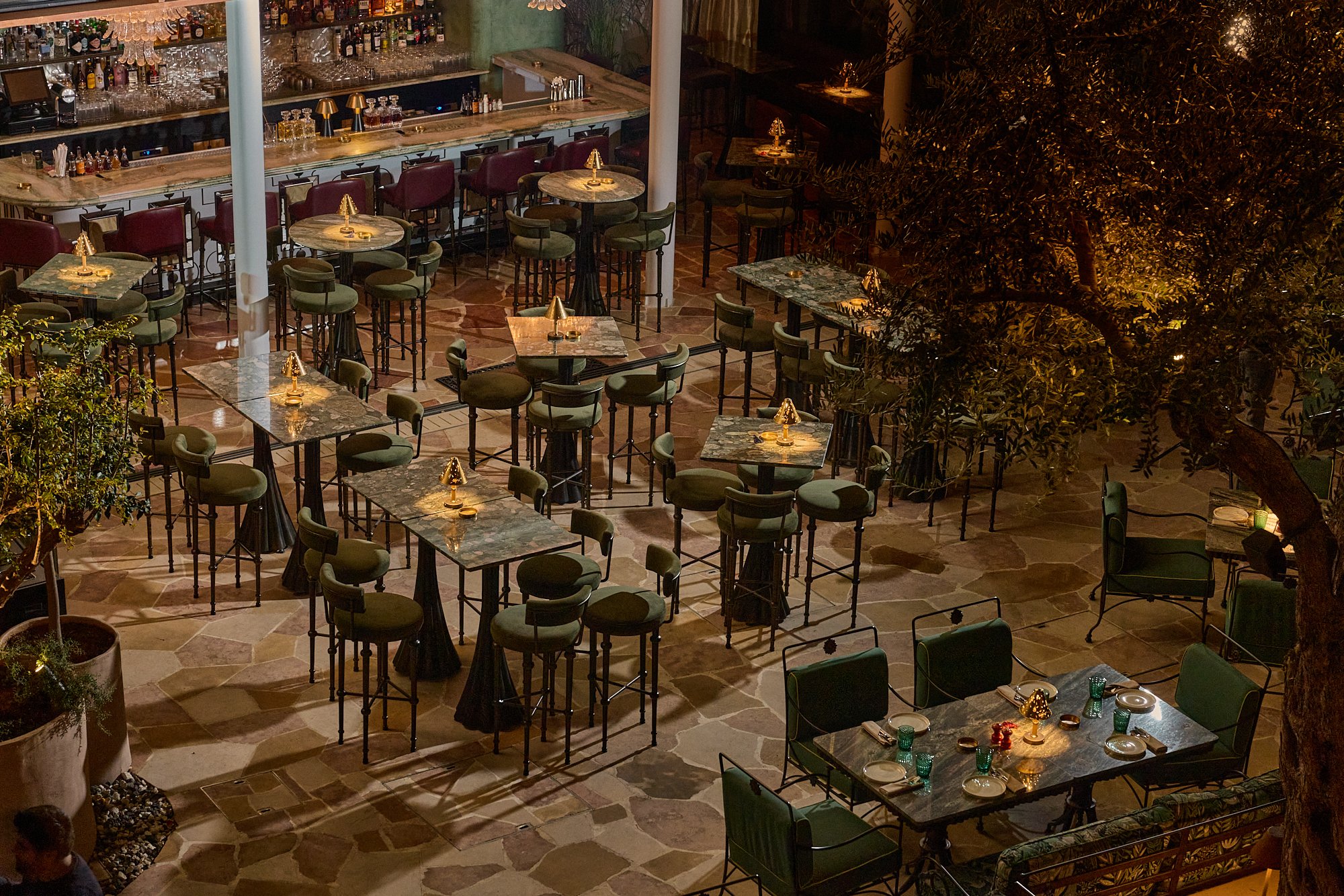
Photos by Vartan Seraydarian
Why Beihouse, Why this table, Why now
There’s a reason Beihouse is a cornerstone of Tables Over Tours and first experience to welcome you to Lebanon. It isn’t just a restaurant you visit—it’s a place you move through, a night you settle into, the kind of experience that makes travel feel personal again.
“Beihouse isn’t just a place you visit, it’s a place you move through,” Chef Tarek says. “From the moment you arrive, the experience unfolds gradually, across different spaces and moods. It’s intentional, but never rigid.”
The dinner isn’t rushed. It’s not performative. Guests are encouraged to linger, explore, stay longer than planned. And that matters, because in Lebanon, the best moments don’t happen on a tight timeline. They happen when you’re finally still enough to let the night unfold.
The flavor philosophy: clarity, depth, balance
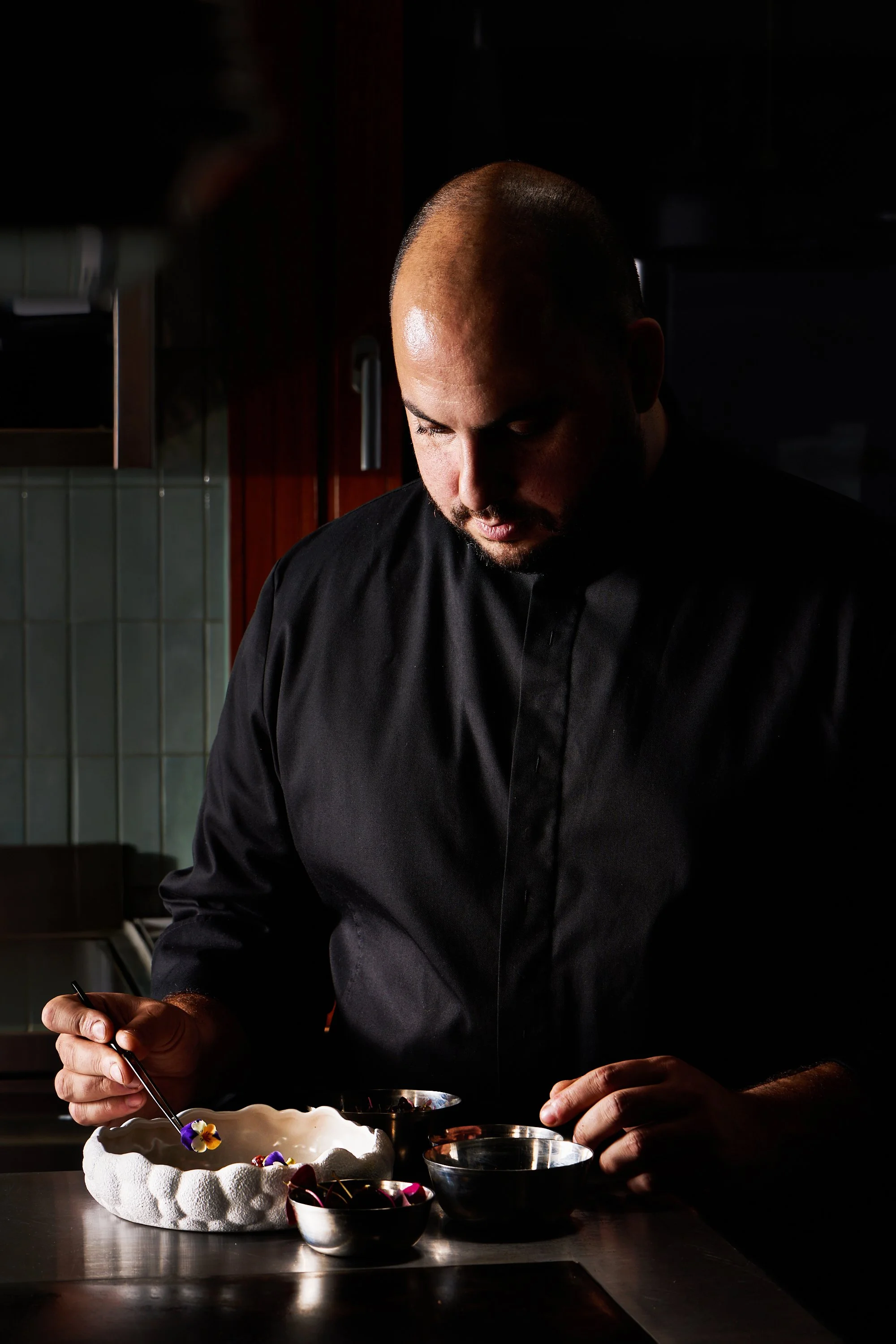
Photos by Vartan Seraydarian
Chef Tarek describes his cooking today as ingredient-led and seasonal, built with intention and patience.
“Technique plays an important role,” he tells me, “but it’s never the focus—it exists to support clarity, depth, and balance rather than to dominate the dish.”
He’s especially drawn to slow processes that build flavor naturally like fermentation, because they add complexity without losing honesty. There’s always a dialogue between the familiar and the unexpected: flavors you recognize, presented in a way that nudges you into curiosity.
And for travelers sitting down at the Beihouse table—some for the first time, some returning to Lebanon like a love letter—this is the point: you don’t need a lifetime of context to feel the emotion of a dish.
“Even if they’re unfamiliar with traditional Lebanese dishes,” he says, “I want them to understand the flavors and the emotion behind them.”
The table in Lebanon: more than a meal
Ask anyone who loves Lebanon what they remember most, and you’ll hear it again and again: the table.
But Chef Tarek says it best:
“For me, it starts at home. I honestly can’t remember eating alone in my family house—there was always a relative, a friend, or someone unexpected at the table.”
And that culture extends beyond food.
“The table is a space where stories are exchanged, disagreements dissolve, and time slows down,” he says. “Sharing here isn’t an occasion—it’s a habit. That sense of togetherness, of always making room for one more person, is something deeply Lebanese, and something I try to carry into the way we cook and host at Beihouse.”
That’s what I’m building with this series: not just reservations, not just dining “events,” but shared experiences—the kind of meals where strangers don’t stay strangers for long.
Chef Tarek agrees.
“I hope the formality disappears,” he says. “That people relax, open up… and allow the experience to unfold naturally. Ideally, strangers stop feeling like strangers—conversation starts, moments are shared.”
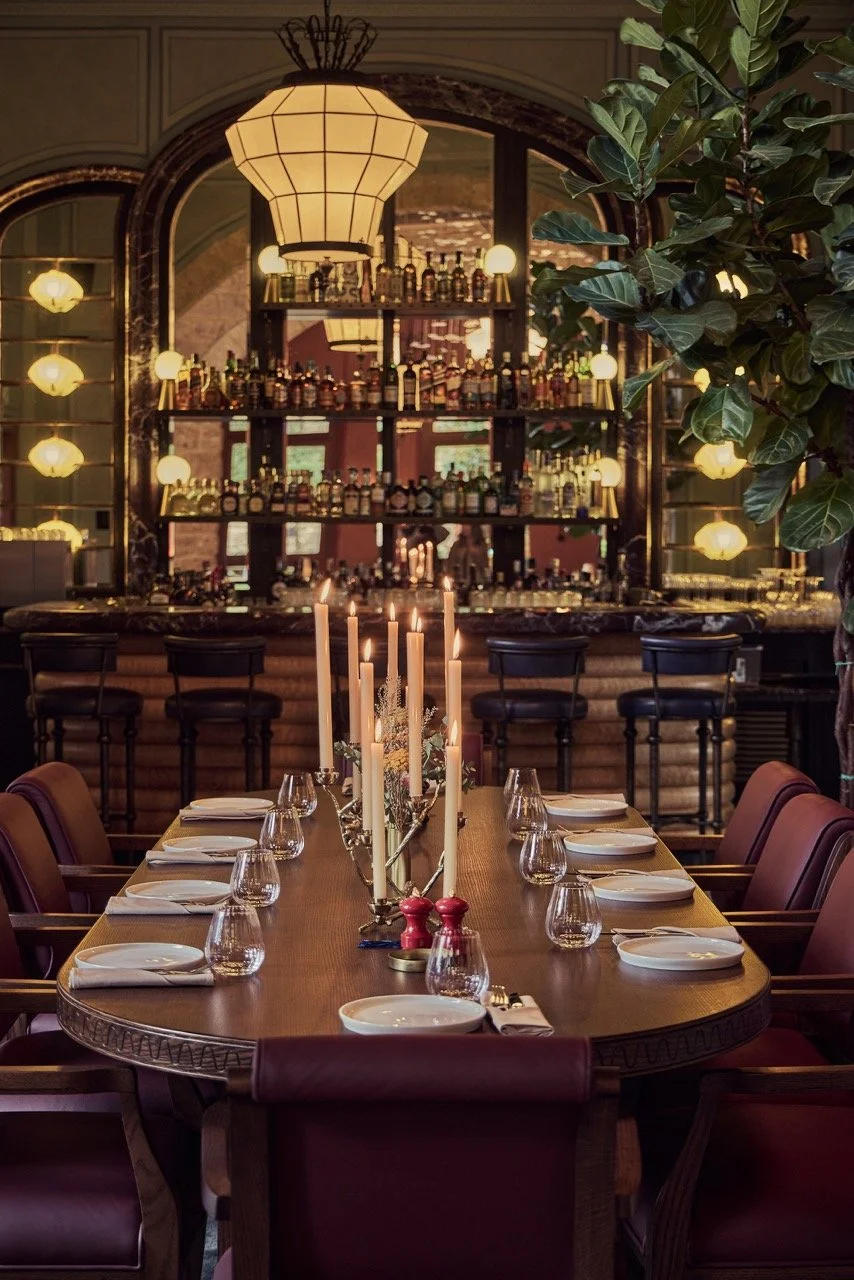
Photos by Vartan Seraydarian
Ingredient spotlight: the “soy sauce of the Middle East”
If you’ve traveled in Lebanon and wondered what keeps pulling you back to certain dishes—what gives them that depth, that tension, that addictive balance—Chef Tarek has one answer:
Pomegranate molasses.
“It’s essentially the soy sauce of the Middle East,” he says. “Deeply umami, slightly acidic, and incredibly versatile. It brings balance, tension, and depth to a dish in a way that’s subtle but transformative.”
That one line alone tells you everything about his cooking: rooted in tradition, but with the confidence to use the classics in unexpected ways.
Beirut, According to Chef Tarek Alameddine: A Perfect First Day
If you could design the perfect first-time day in Beirut, Chef keeps it simple, classic, and beautifully unforced:
Morning coffee: Falamanki in Raouché
Walk: along the sea (no plan, just the city)
Breakfast: Soussi — one of the oldest breakfast spots in Beirut
Midday stroll: Saifi Village + Downtown (the contrast, the layers)
Lunch: Al Halabi — a classic Lebanese mezze moment
Night: Beihouse — for dinner, atmosphere, and the full experience
After: “Beirut does what it does best: the night continues.”
And when he’s off-duty and craving a great bite? He’s drawn to Lebanese street food—shawarma, manousheh, mezze—food that’s familiar, generous, and eaten without ceremony.
The feeling you take home
Beyond the photos, beyond the beautiful plates, beyond the “I can’t believe we’re here” pinch-me moments, Chef Tarek wants guests to leave with something harder to explain and easier to remember.
“I hope they take the feeling of the journey with them—the sense that what we’re trying to express reached them,” he says. “That the story behind the food, the space, and the experience was understood on an emotional level—not explained but felt.”
That’s the point of this series, too.
Not just to taste Lebanon.
To feel it—through people, through place, through the kind of table where you stay longer than planned.
The Time is Now
If you’re thinking about joining Tables Over Tours, now is the time to raise your hand. Lebanon’s hotel scene is boutique by nature, and to lock in the best flow (and the best rooms), travel planning needs to be in motion by March.
Come take your seat at the table and let the rest unfold the way Beirut always does: naturally.