
Tawlet Tourelles: A Slow Sunday Lunch in the Bekaa Valley
In Lebanon, Sunday isn’t a day for errands.
It’s a day for gathering—for the long, slow meal that anchors the week. The kind of meal that starts with “just coffee,” turns into “one small bite,” and somehow becomes an afternoon you never want to end.
That’s exactly why Tables Over Tours includes Tawlet Tourelles as a late, leisurely Sunday lunch on August 16th. Most places are closed. The pace softens. Families and friends gather. And the country makes sense in the simplest, most beautiful way: around the table.
As Kamal Mouzawak, founder of Souk El Tayeb and Tawlet, puts it: food is nurturing who you love and like. An expression of love and care. In Zahle and Jdita (Tourelles’ area), he says, Sunday gatherings are still deeply intact—big friends-and-family rituals that feel sacred.
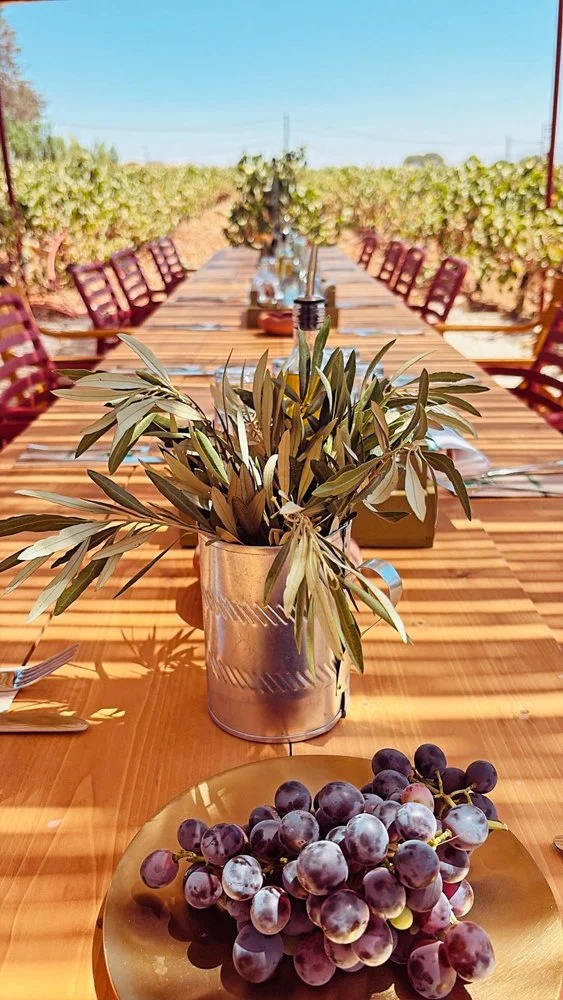
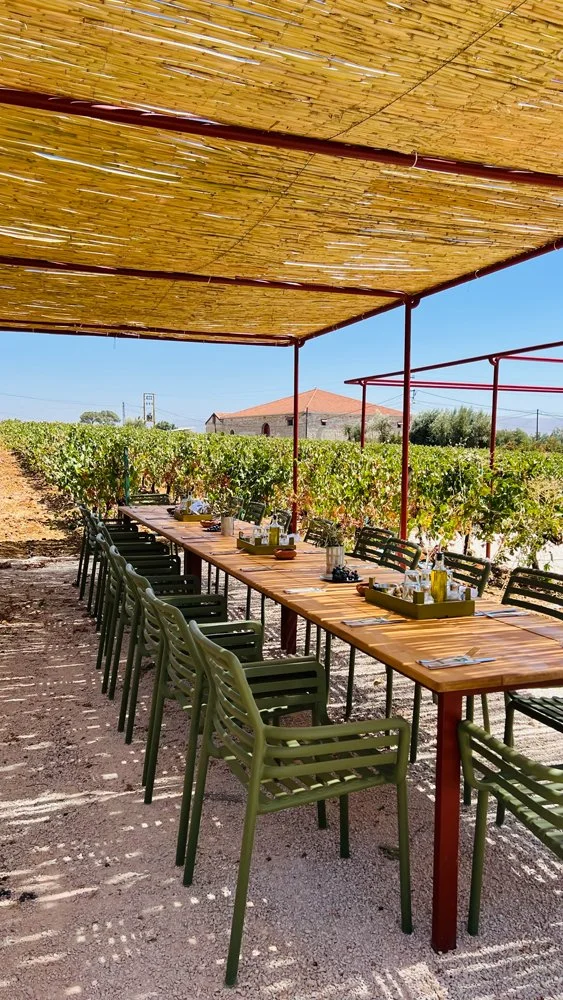
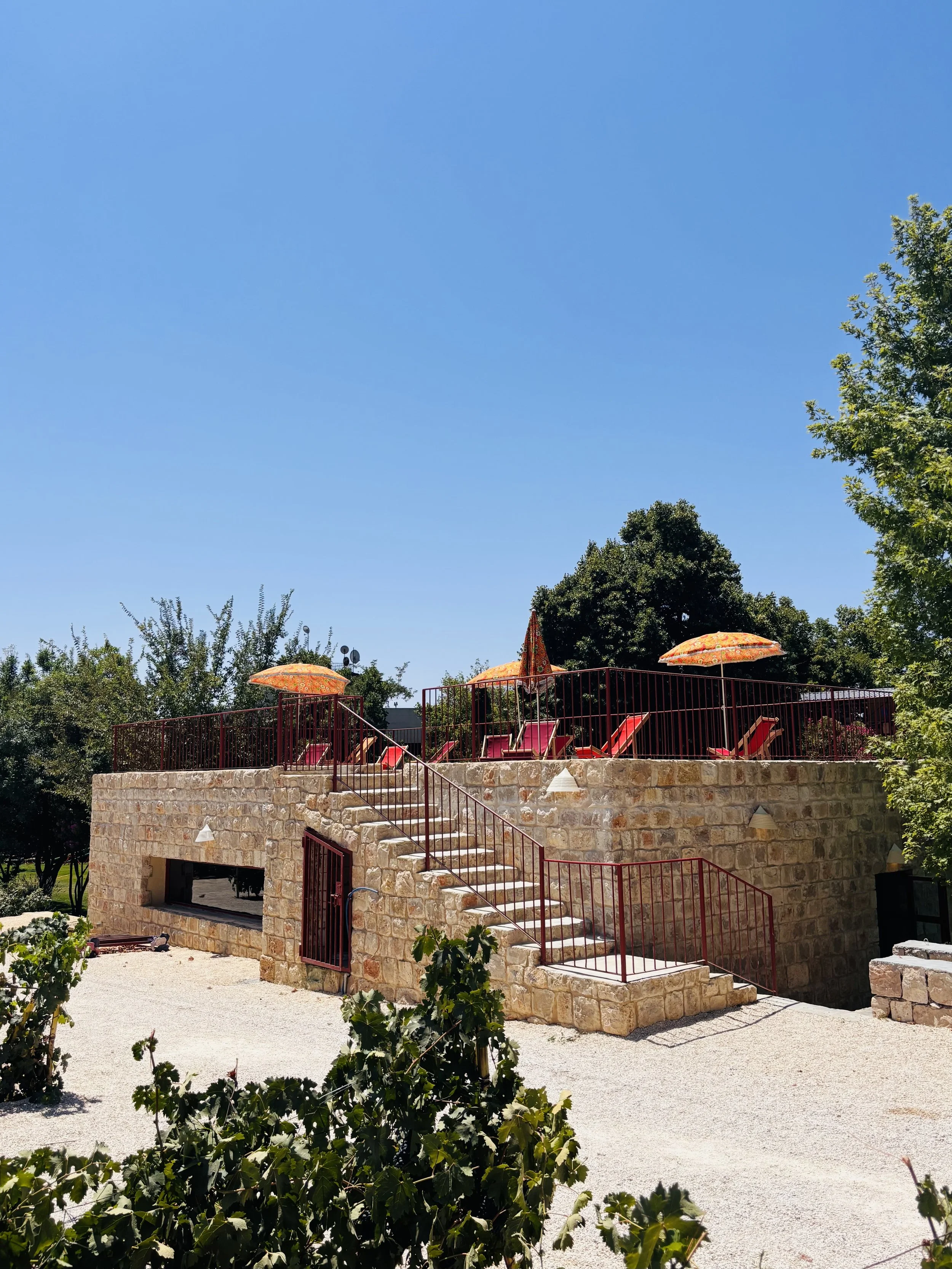
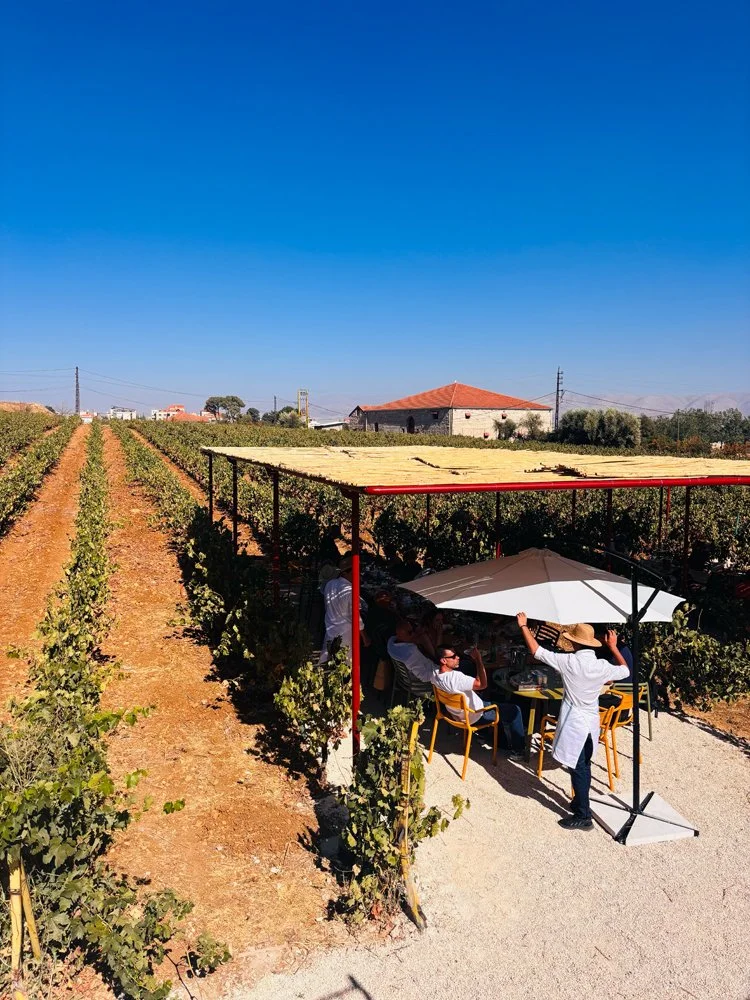
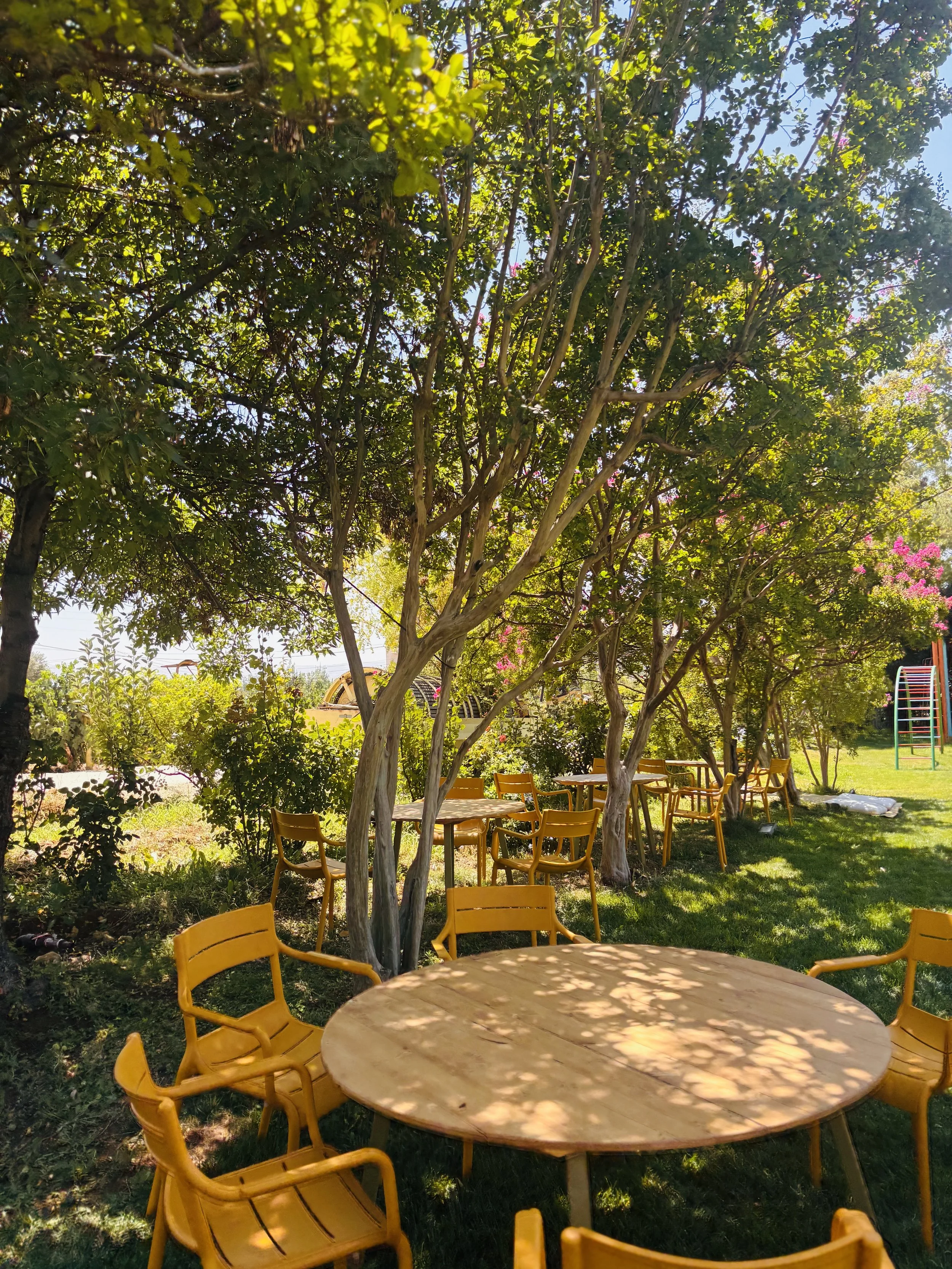
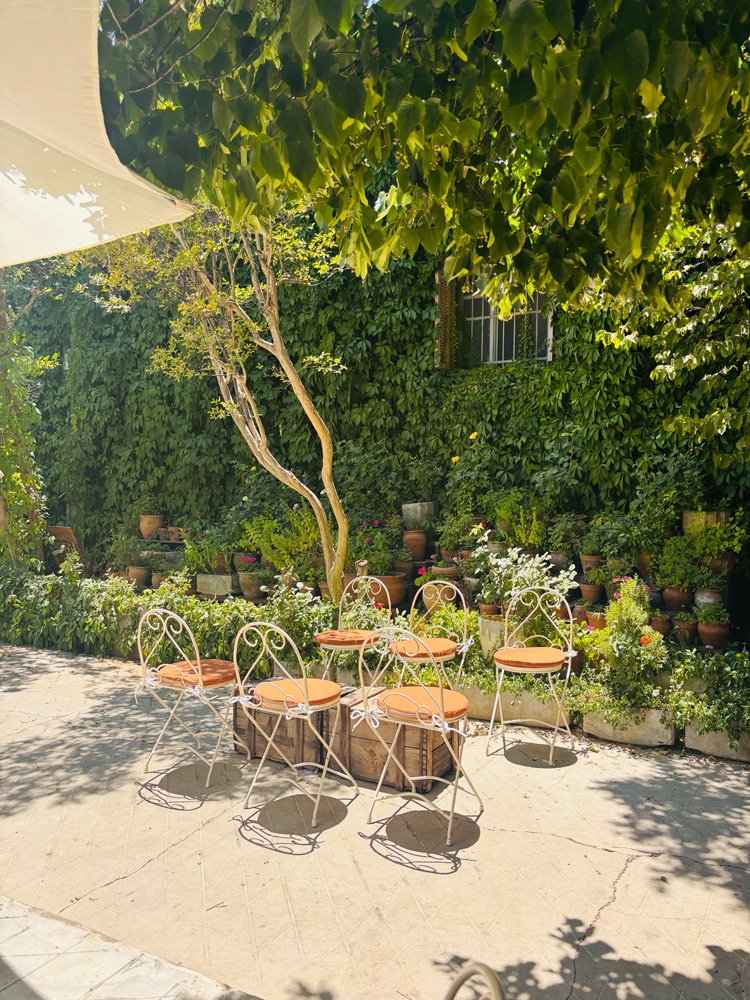
And at Tawlet Tourelles, those rituals unfold between vines, in the courtyard of a historic estate that has been shaping Lebanese hospitality since 1868.
Why Tawlet Tourelles, Why now
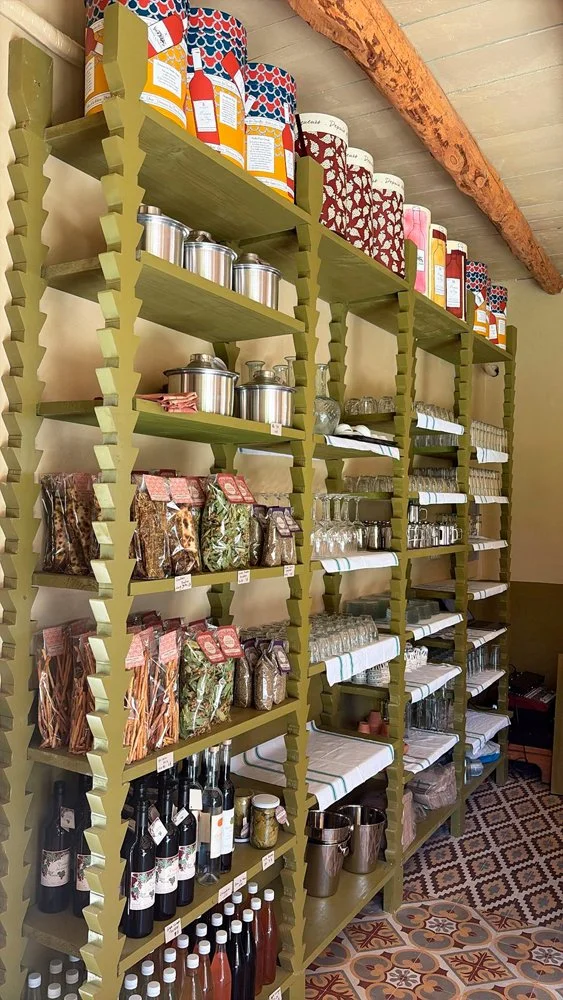
Souk El Tayeb has always been about the same thing: supporting small-scale farmers, producers, and cooks and discovering Lebanon through its people, agriculture, and cuisine. The setting at Domaine des Tourelles makes that mission feel even more tangible.
Kamal says the partnership began simply: Tourelles asked. And it made immediate sense, because Tourelles stands for quality local production, family, and place.
Faouzi Issa, winemaker and managing director at Domaine des Tourelles, describes it as alignment at the deepest level: identity, values, respect for nature, and an investment in local community. “We strongly support employment from our village,” he says—“and Tawlet shares this belief by empowering people from the same village… to be active and productive members of the community.”
This isn’t just “a restaurant at a winery.” It’s a shared philosophy made edible.
What Domaine des Tourelles stands for
Tourelles takes its name from the two towers in the main house—a small castle that watches over the estate.
But the real “throughline,” Faouzi says, is less architectural and more personal:
“A deep loyalty to the land, the history (158 years), the identity and people involved. It is a complete love story between us and the estate.”
It’s a line you feel the moment you arrive: the estate isn’t trying to impress you. It’s trying to ground you.
And if you’ve ever heard cautionary headlines about the Bekaa, Faouzi is quick to name what becomes obvious once you’re here:
“Safety. The bad reputation is generalized… people of Bekaa are welcoming, transparent, and generous.”
Kamal echoes it from the land outward: the Bekaa’s landscape creates abundance—agricultural plains like nowhere else in the country and that shapes the character of the people. A farmer lives from the generosity of the land, and becomes generous in return.
This is the Bekaa truth: it feeds you and in doing so, teaches you something about Lebanon.
What Tawlet Tourelles feels like
Kamal describes Tawlet Tourelles like a scene from a film you wish you could step into:
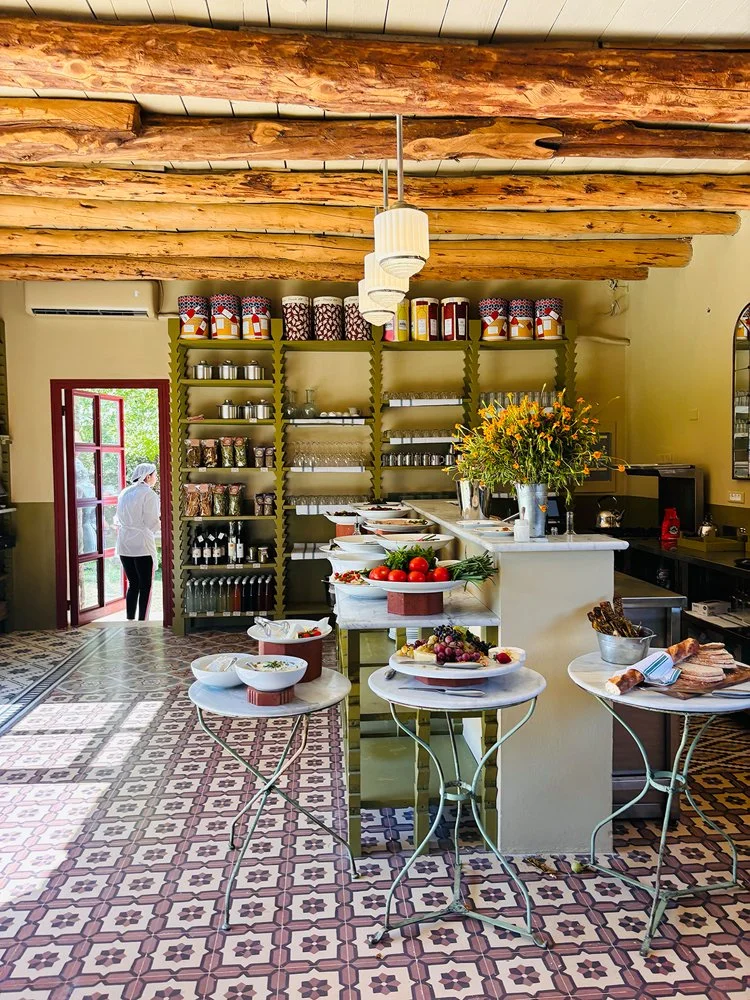
“A kitchen that feeds and nourishes between vines and an old majestic house that tells the story of yesteryear.”
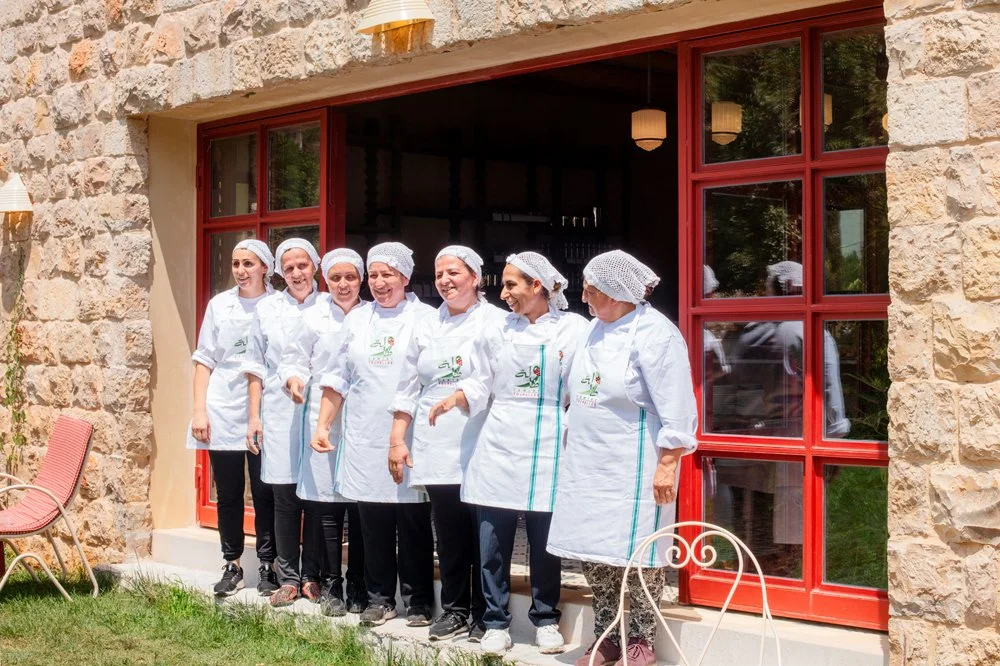
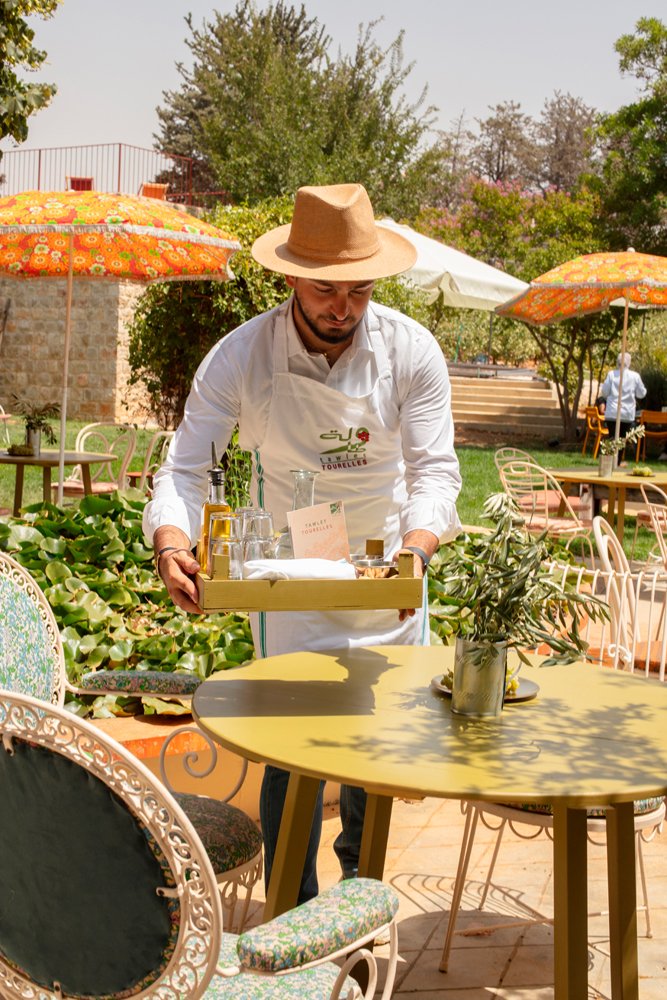
The cooking is led by women—lady cooks from the Tourelles team, family, and neighbors—the kind of local talent that keeps regional food alive not as a museum piece, but as living tradition.
And like every great Lebanese meal, it comes with a rule that is less suggestion, more instruction:
Do not rush.
How to “do it right”: a Sunday lunch that becomes an afternoon
Here’s the rhythm Kamal recommends for first-timers—think of it as the antidote to fast travel:
Come for the day.
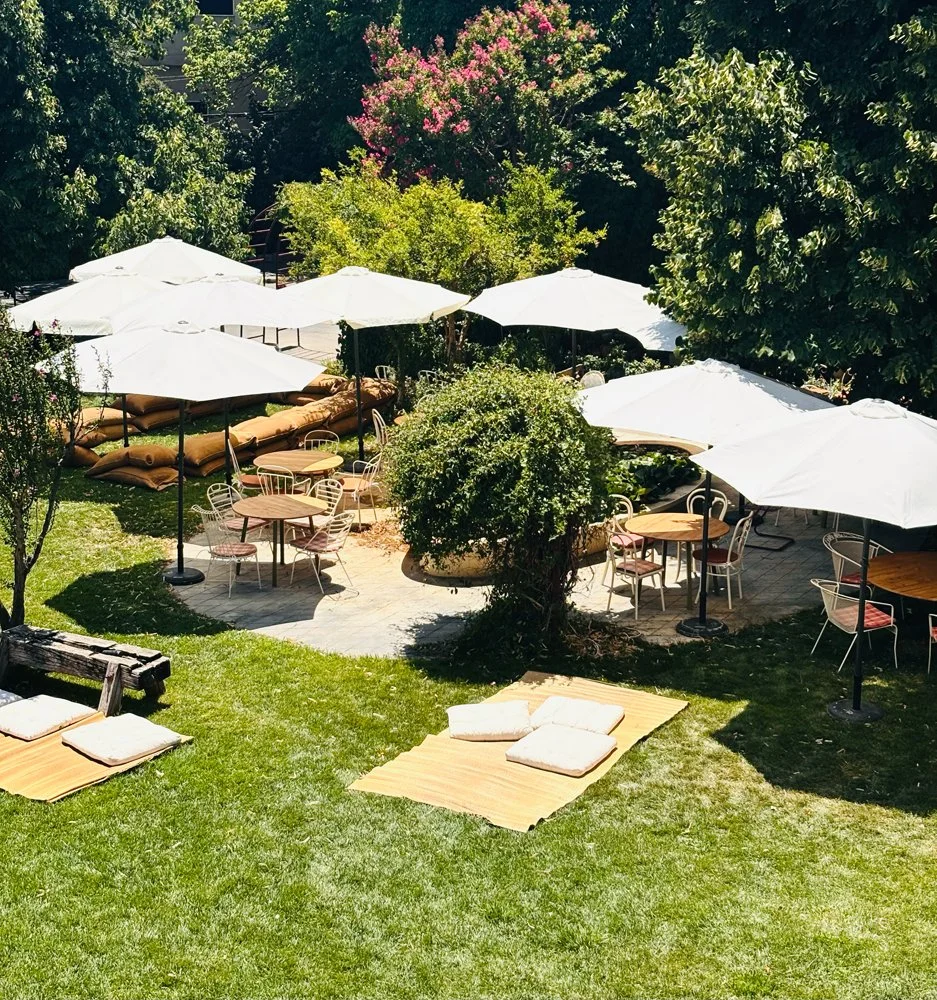
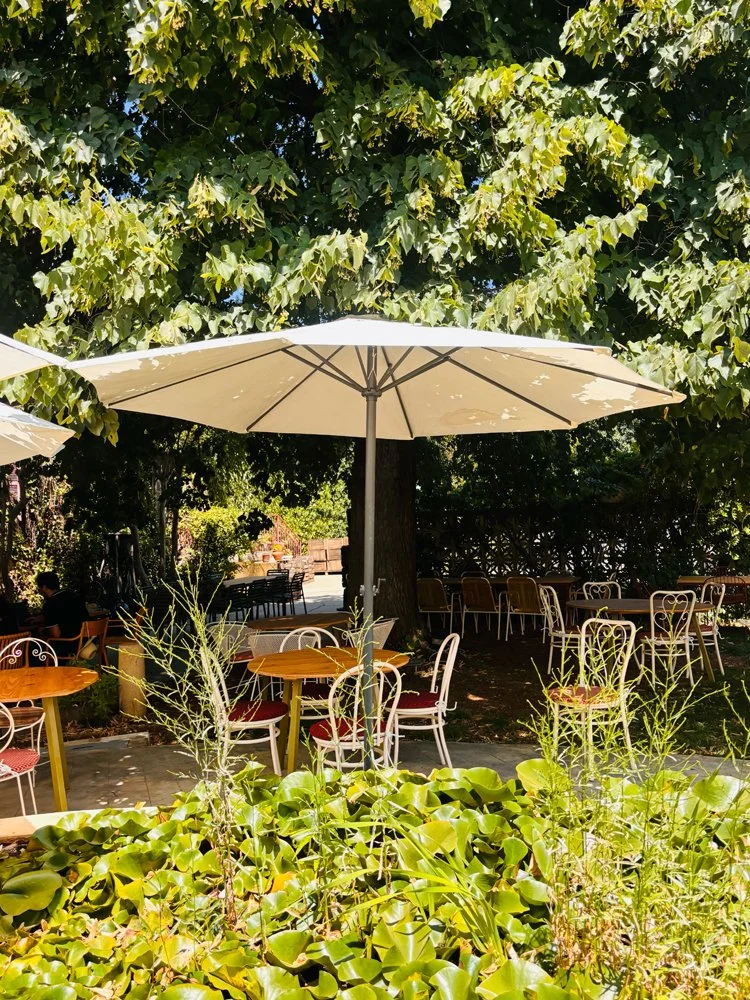
Sip a coffee under the majestic tilleul. Wander. Look for the golden fish in the oval pond. Take a small bite—then do more of that.
If you want, add a winery tour and learn the story of the Brun family—generations of people making the best of the land. Then, around 1-ish, the table begins.
And it’s not a “course.” It’s a procession.
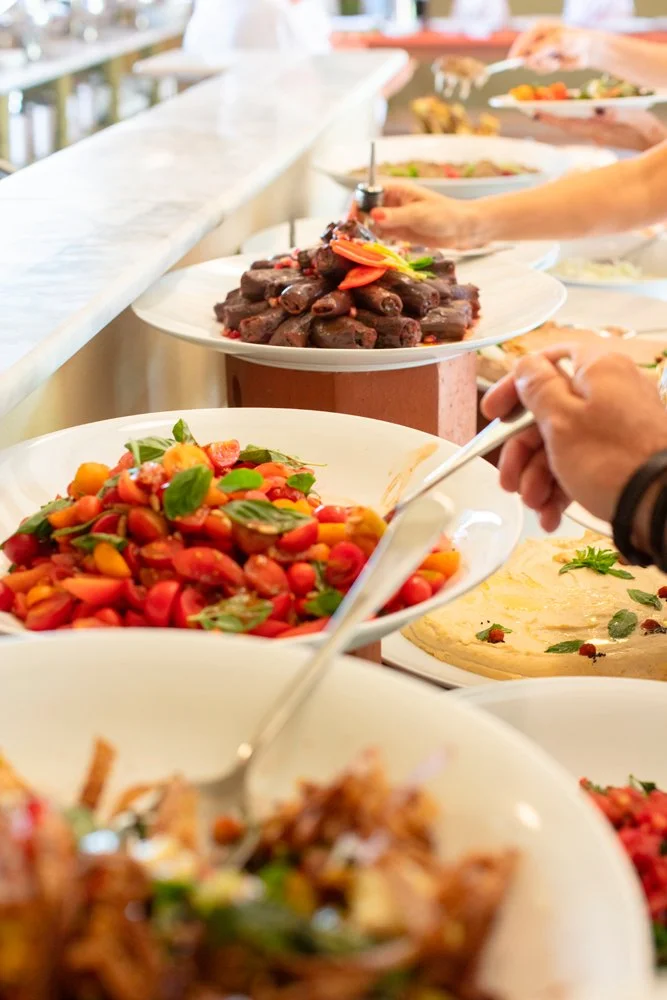
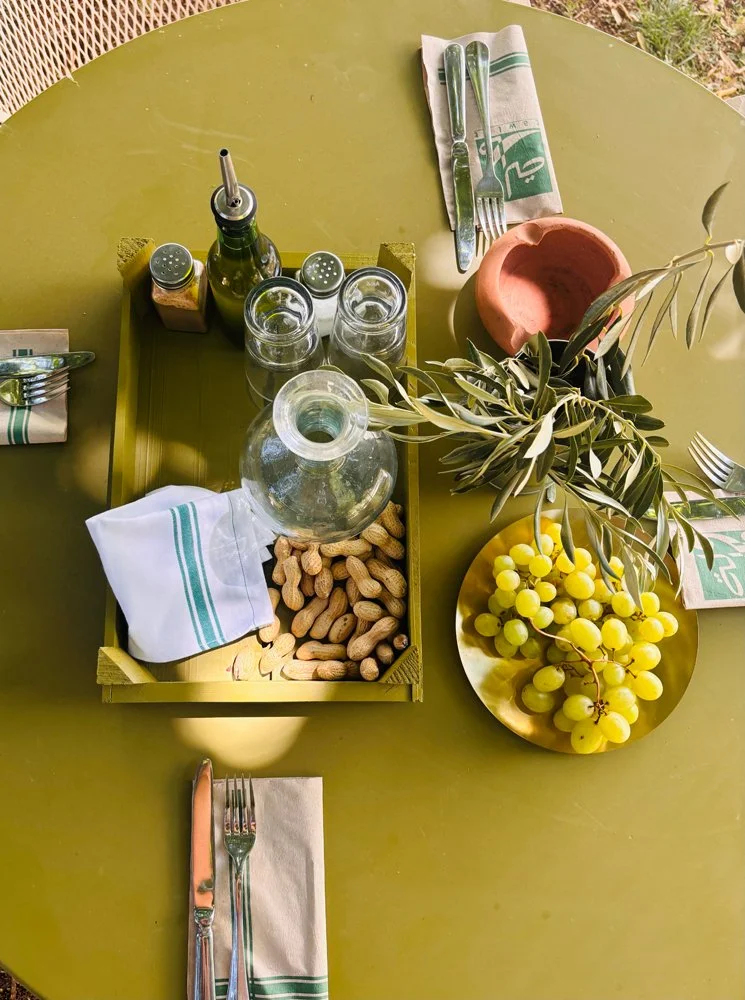
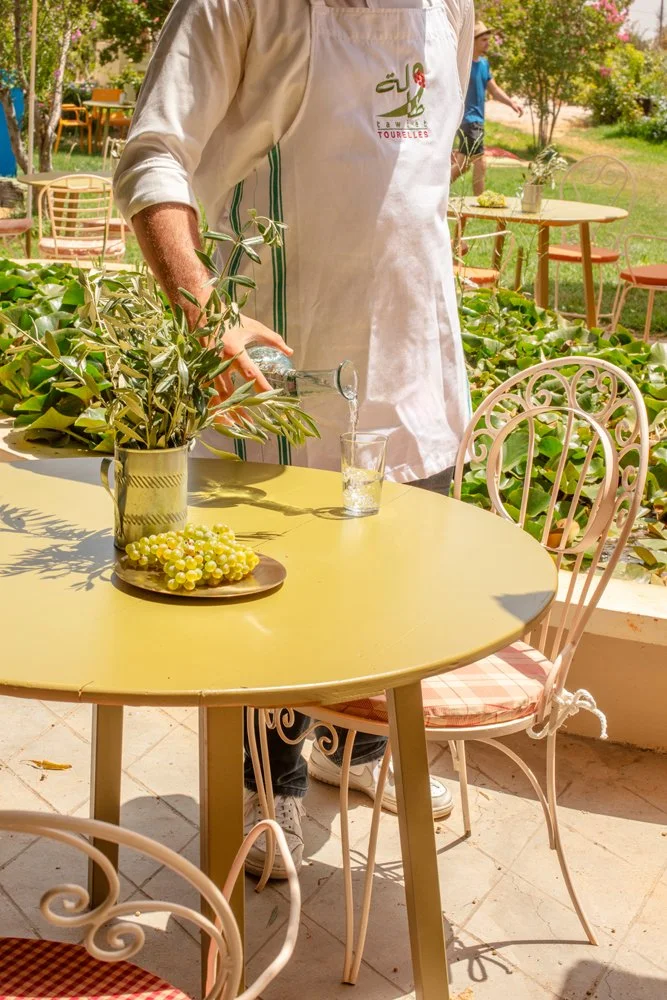
It starts with tabouleh and fattoush, then cold dishes, then hot dishes. Then a little fries. A bit of BBQ. And then what Kamal calls the mains—the Sunday dishes that matter: stuffed vine leaves, moghrabieh—the kind of food that feels like home even when you’re far from it.
Then comes the pause. A deep breath. Coffee. Dessert.
And suddenly, your Sunday has disappeared in the best way.
The wines: Mediterranean generosity, without the fuss
If you ask Faouzi which wine represents Tourelles right now, he doesn’t pitch you something precious. He gives you something true:
Domaine des Tourelles Classic Red — full-bodied and aromatic, with ripe fruit, herbal notes, and a warm finish. It’s fermented and aged in old concrete vats (no oak influence), an approach that’s typical to the region. And it’s affordable in a way that feels almost shocking in today’s world—around $10 USD retail, which he frames as an expression of Mediterranean generosity.
And behind the scenes, there’s a detail guests will never see but will absolutely taste:
Faouzi uses indigenous yeast—yeasts that have existed in the winery since the foundation, because they reflect the terroir more honestly than anything imported ever could.
Arak Brun: Lebanon’s heritage in a glass
If the Bekaa is the heart of Lebanese agriculture, then Arak Brun is one of its clearest love letters.
Faouzi says producing it is the best part of his job, and you can hear why in his words. Arak Brun doesn’t lead the market because of big budgets or flashy campaigns. It leads because it’s real. And I can confirm, it’s my favorite arak.
“It is authentic. It has stayed true to its roots… no compromises.”
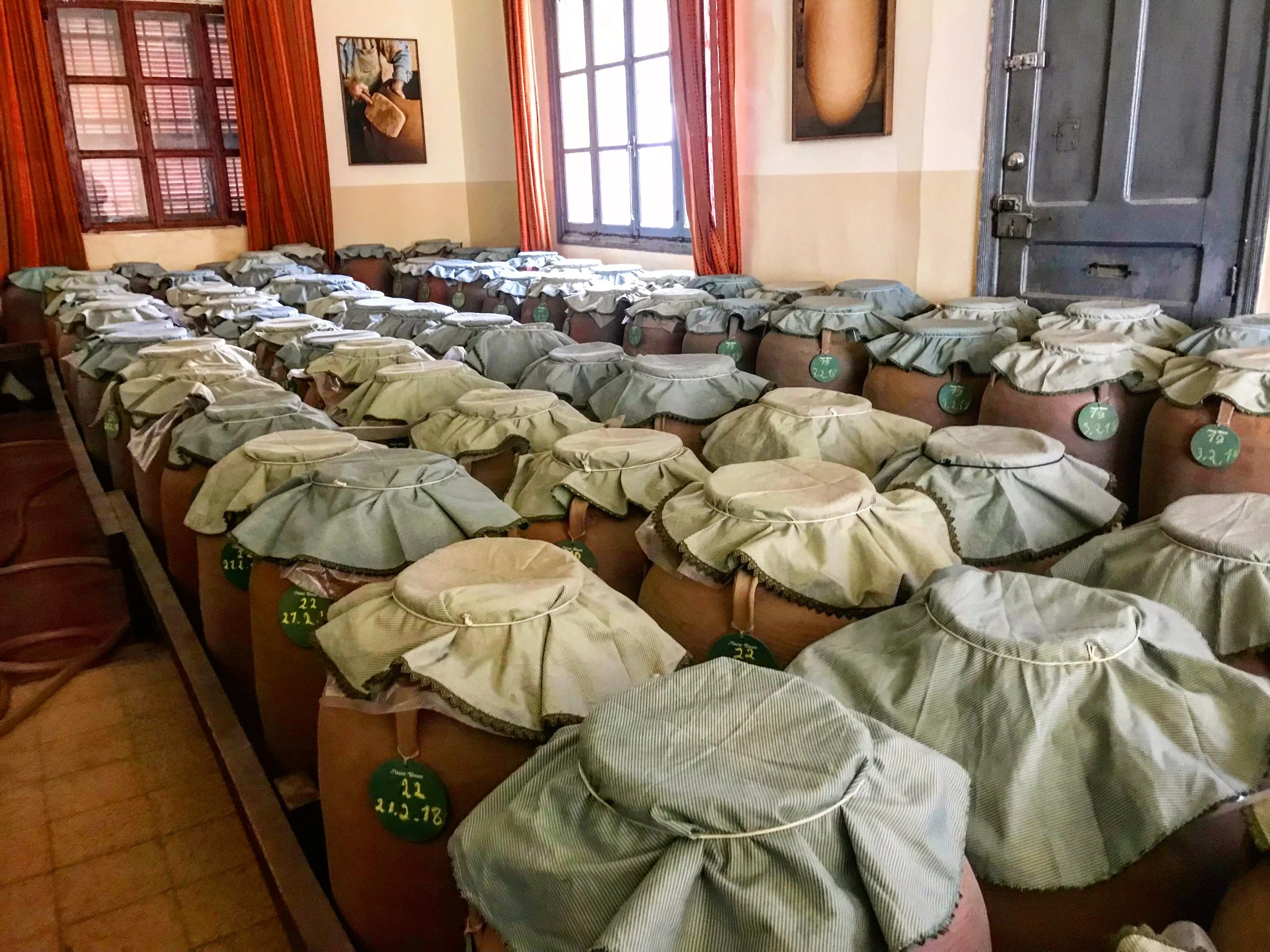
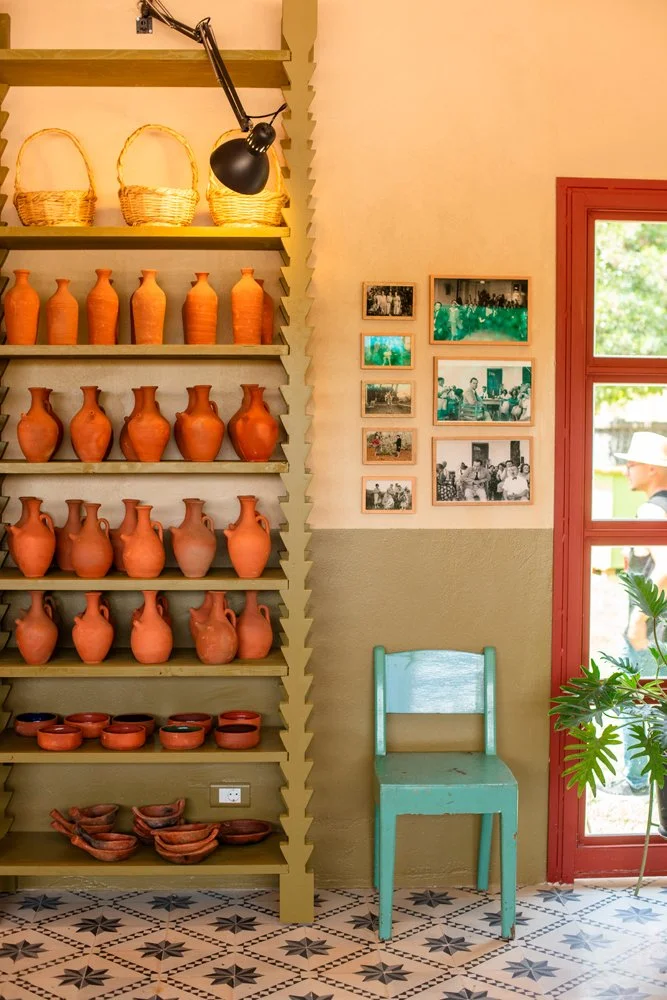
Since 1868, the Brun family has made Arak Brun with the same recipe—Obeidi grapes and the finest aniseed (some grown on the estate), distilled three times in traditional copper stills, then rested for years in century-old clay jars.
“Every drop carries history, craftsmanship, and love… Arak Brun is not just a drink. It is a symbol of Lebanese hospitality, authentic community and cultural pride.”
Order it with lunch and you’ll understand: it’s not just a pairing. It’s the culture.
What you take home from a long lunch here
Ask Kamal what he hopes guests understand after one long lunch at Tawlet Tourelles, and he says it plainly:
We love through feeding you. Nourishing you.
Faouzi describes the feeling at the end in one word: serenity. The kind of serenity that makes people book another visit before they even leave.
And if you want Lebanon in a single equation, he gives you that too:
“Sun + nature + people + good food + wine = Lebanon.”
Planning note for the series
Tawlet Tourelles is on Sunday, August 16th, designed as a late, leisurely lunch, because that’s how Lebanon does Sunday best. And because accommodations are boutique, the smartest move is to have travel plans (and your preferred flow) in place by March to lock in the experience you want.
Come hungry. Come curious. Come ready to slow down.
Because peace grows here and it tastes like a long lunch that turns strangers into friends.