
From a spectacular luxury hotel in Rioja wine country to the Guggenheim Museum in Bilbao, here's why architecture lovers should put Northern Spain on their travel list.
What do a luxury hotel surrounded by vineyards and one of the world's most famous contemporary art museums have in common?
Frank Gehry.
And if you love architecture, art, wine, or simply staying somewhere extraordinary, there's a fantastic road trip through Northern Spain that allows you to experience two of his most iconic creations.
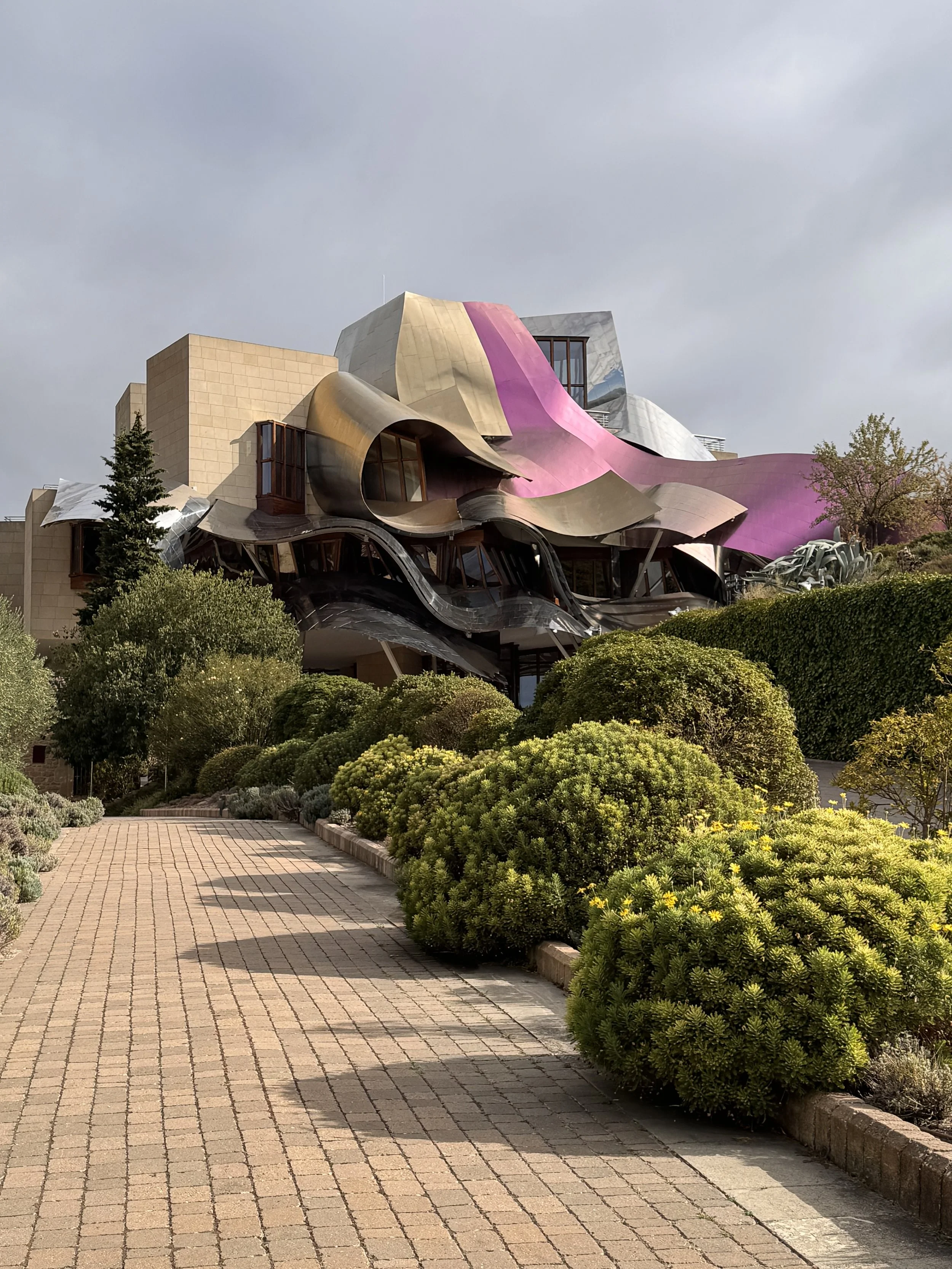
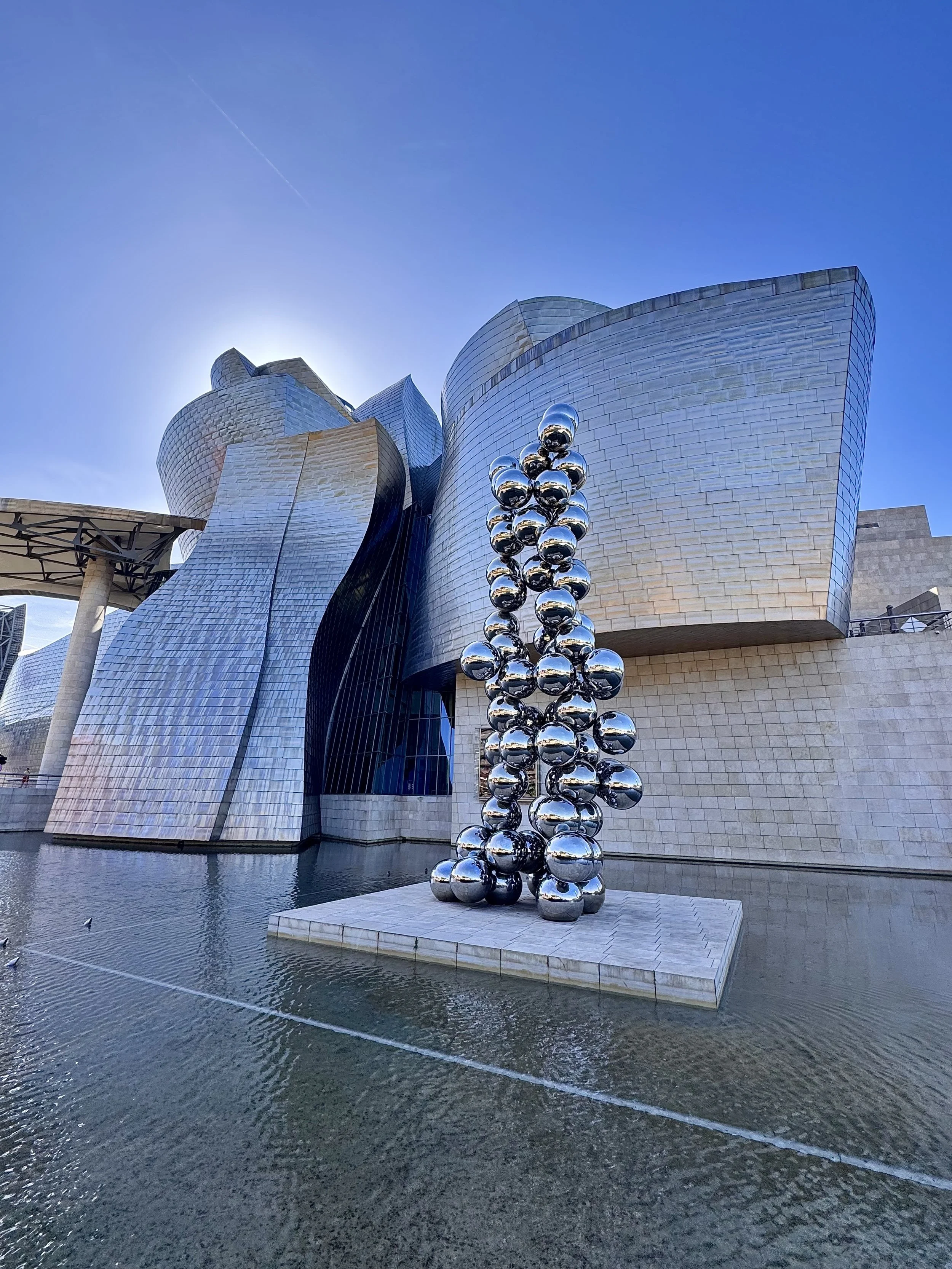
During our recent journey through Rioja and the Basque Country, we stayed at Hotel Marqués de Riscal, a Frank Gehry-designed property that has been on my hotel wish list for years, before continuing north to Bilbao to visit the equally extraordinary Guggenheim Museum.
Two very different buildings, two completely different settings, and one legendary architect.
And honestly, it's one of the coolest combinations I've experienced on a trip.
First Stop: Hotel Marqués de Riscal in Rioja Wine Country
I've stayed in plenty of beautiful hotels over the years, but every once in a while, you encounter a property that makes you stop and think, How on earth did someone dream this up?
Hotel Marqués de Riscal is one of those places.
Located in the small village of Elciego, in the Rioja Alavesa wine region, the hotel is part of the historic Marqués de Riscal winery's City of Wine complex.
And it's impossible to miss.
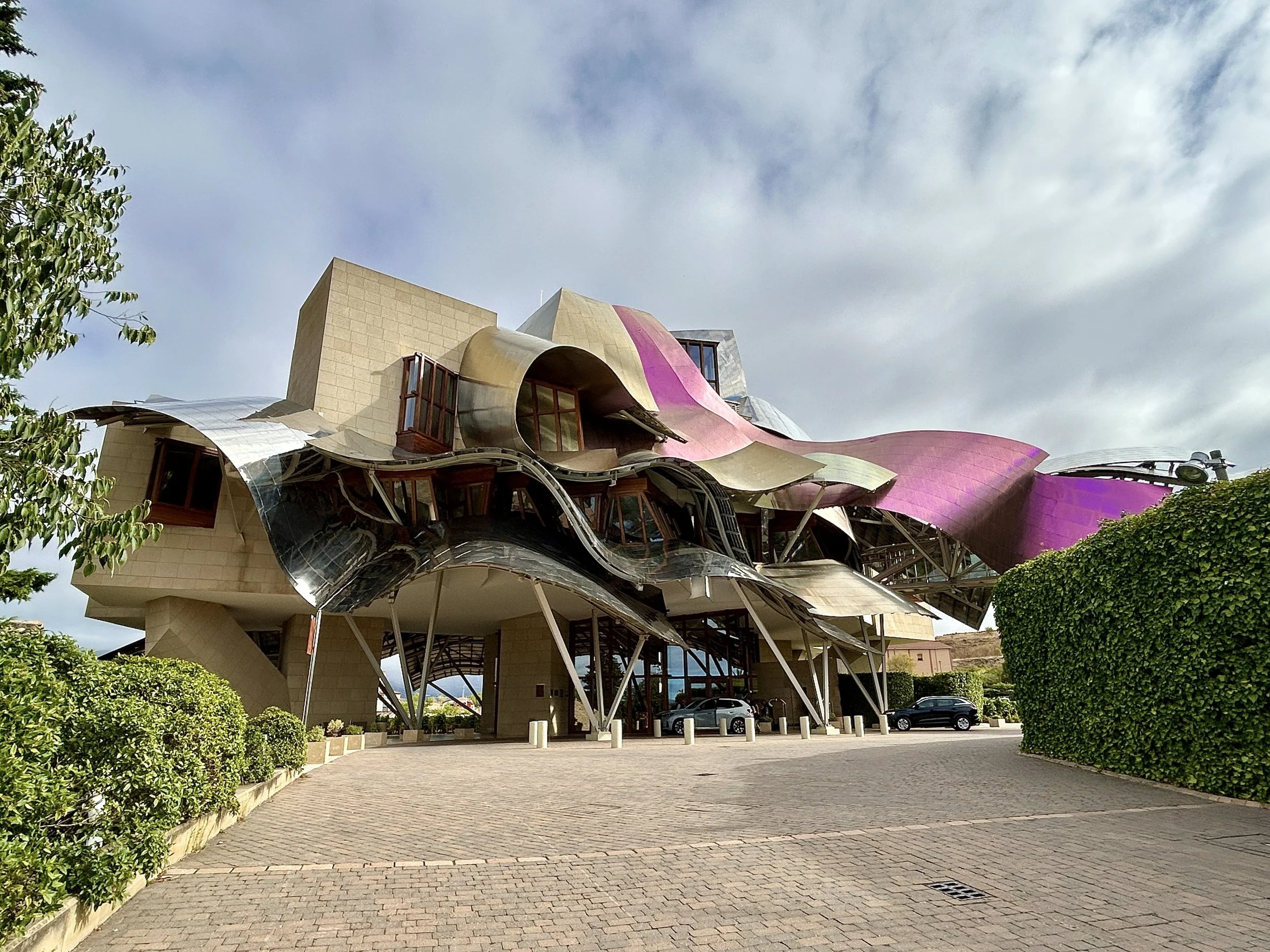
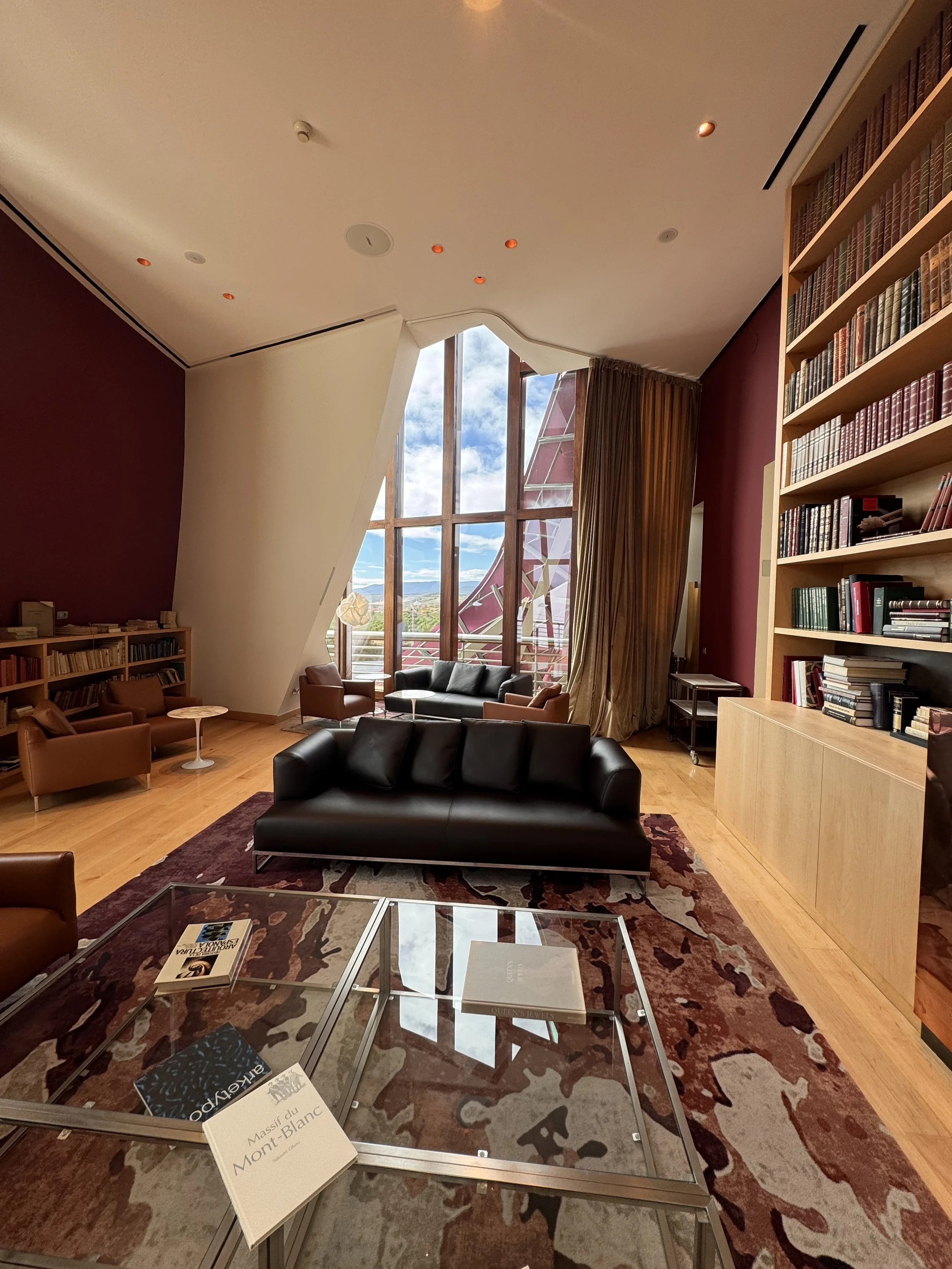
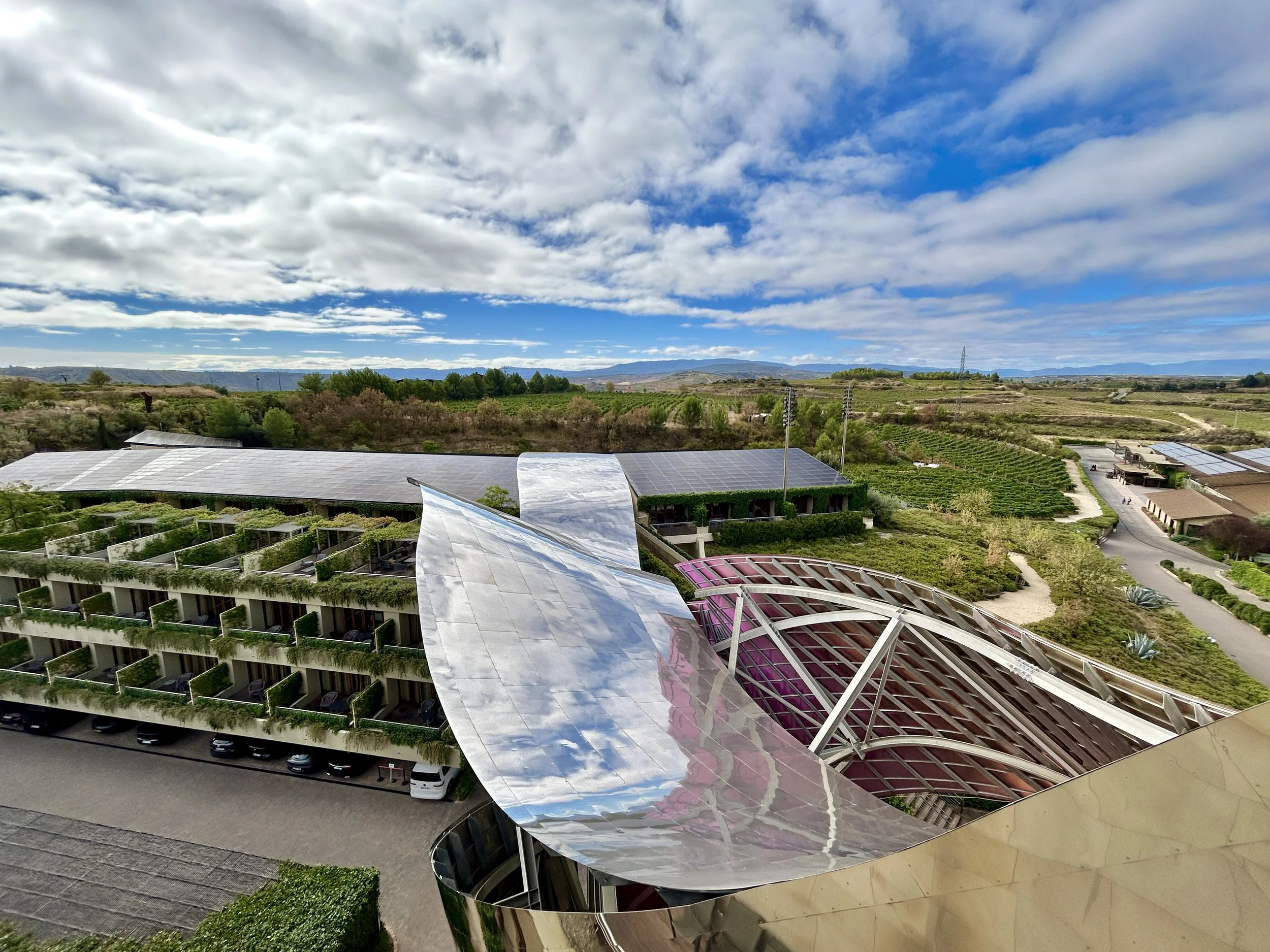
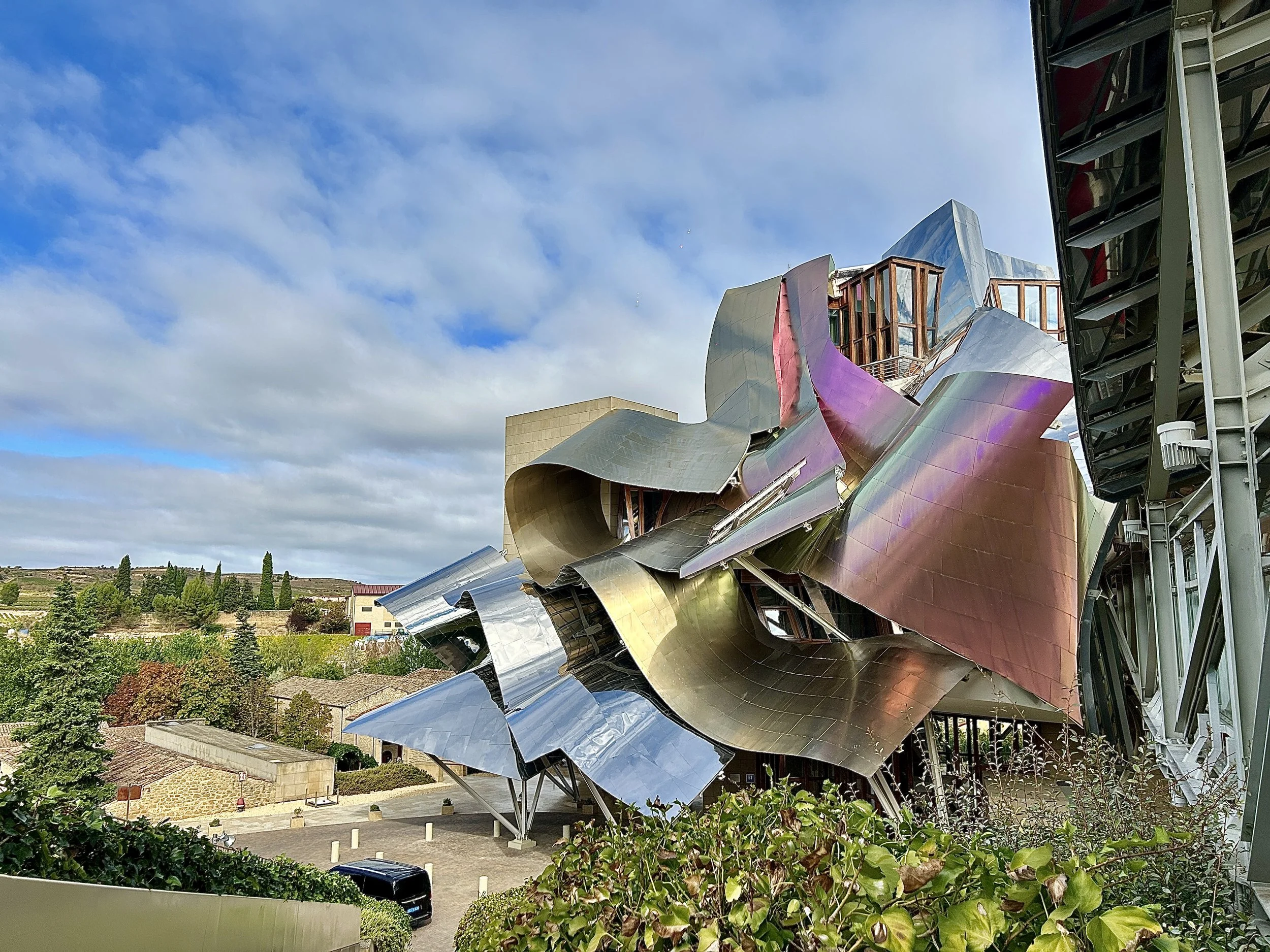
Rising above the vineyards and traditional stone buildings are enormous, flowing ribbons of titanium in shades of pink, gold, and silver.
The whole thing looks almost as if someone dropped a futuristic sculpture into the middle of Spanish wine country.
And somehow, it works.
The hotel opened in 2006, nearly a decade after Gehry's Guggenheim Museum debuted in Bilbao.
While the two buildings share his unmistakable sculptural style, the setting at Marqués de Riscal makes it particularly remarkable.
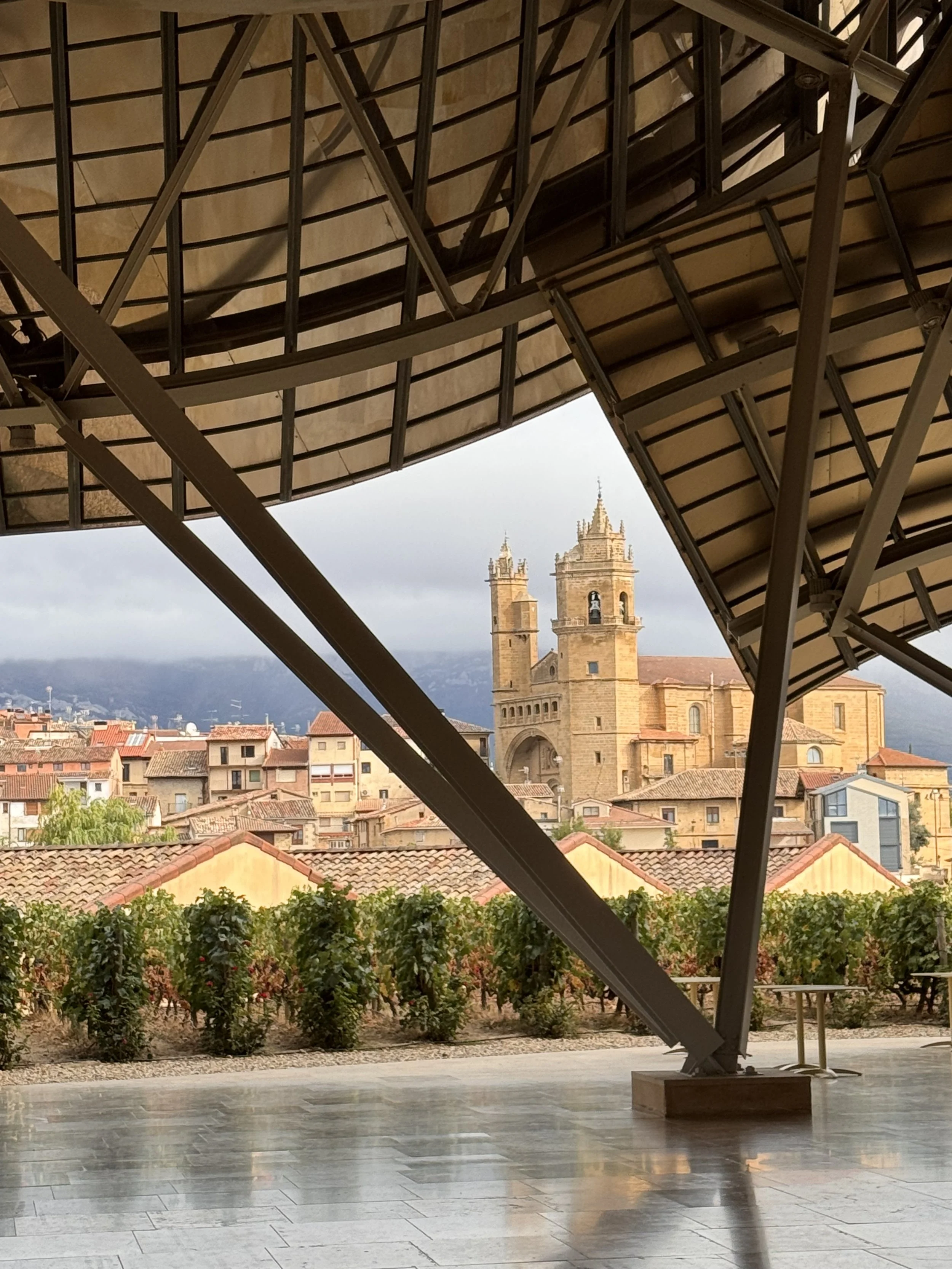
You're surrounded by vineyards, traditional architecture, and a winemaking history that stretches back generations.
Then there's this extraordinary building that seems to defy gravity.
I loved it.
More Than Just an Architectural Landmark
Of course, staying at Marqués de Riscal is about much more than admiring the exterior.
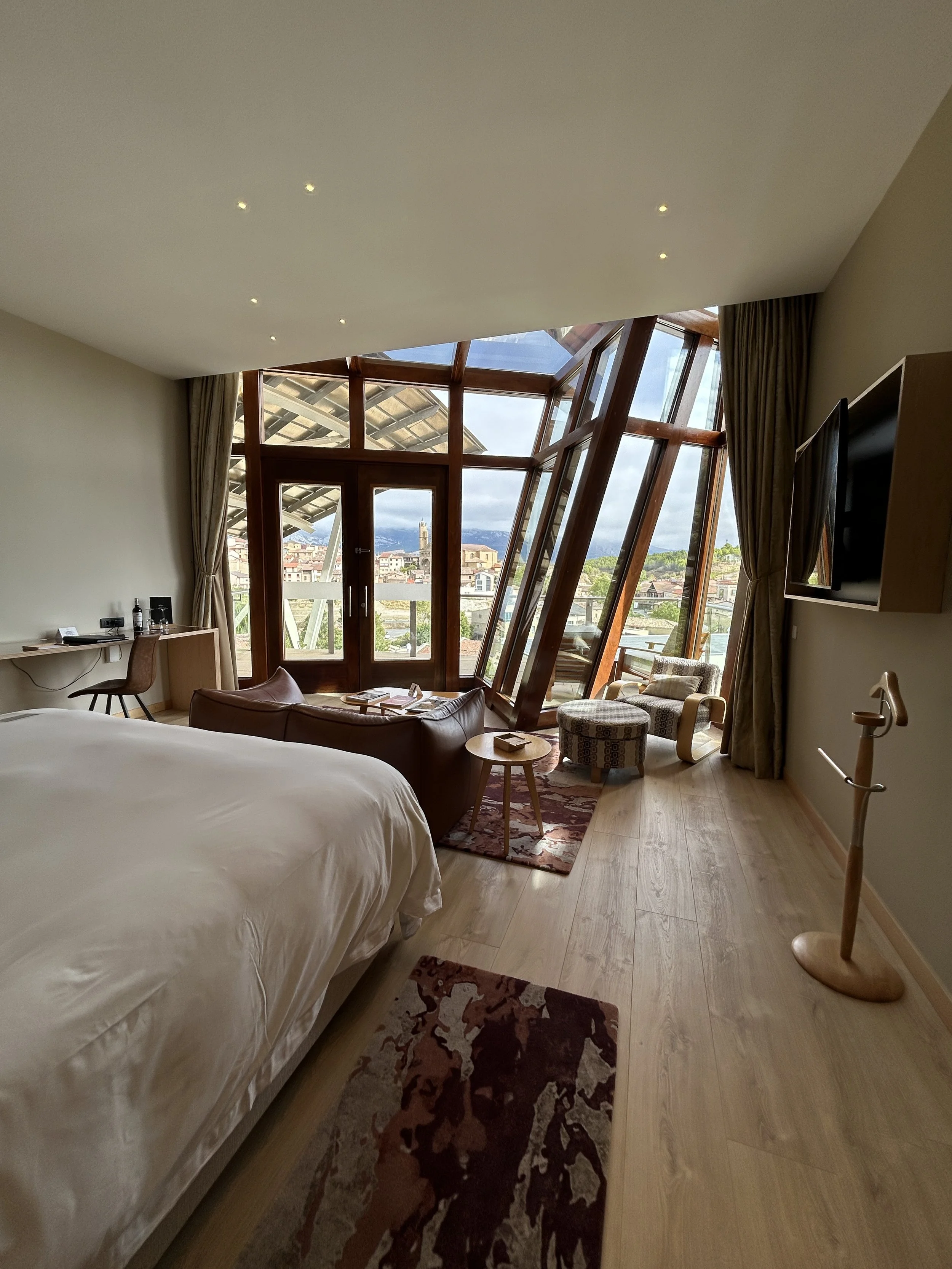
The property is part of Marriott's Luxury Collection and offers a distinctive luxury experience centered on wine, gastronomy, and design.
The historic winery dates back to 1858, and guests can immerse themselves in the region's winemaking traditions while enjoying a thoroughly contemporary hotel.
There's a spa, excellent dining, and spectacular views over the surrounding vineyards and the village of Elciego.
But what really makes this hotel special is the sense of place.
It's a destination in itself.
And it's exactly the sort of hotel I love introducing to clients who want something beyond the usual luxury experience.
My travel advisor tip: If you're planning to stay at Marqués de Riscal, don't treat it as simply a place to sleep between winery visits. Give yourself enough time to enjoy the property, explore the winery, and appreciate the architecture from different angles.
Sometimes the hotel itself is one of the most memorable experiences of the trip.
A Little Design Detail I Love
One of the fascinating things about Gehry's design is that the colors of the hotel's titanium ribbons aren't random.
The pink references the color of the wine, while the gold and silver reflect elements of Marqués de Riscal's traditional wine bottle packaging.
It's a beautiful example of how contemporary architecture can connect with a property's history and identity.
And the building changes throughout the day as the light shifts across the metallic surfaces.
You could photograph it a dozen times and come away with a dozen completely different images.
For anyone who appreciates design, it's a visual feast.
Next Stop: The Guggenheim Museum Bilbao
From Rioja, we continued north toward Bilbao, home to another of Frank Gehry's extraordinary creations.
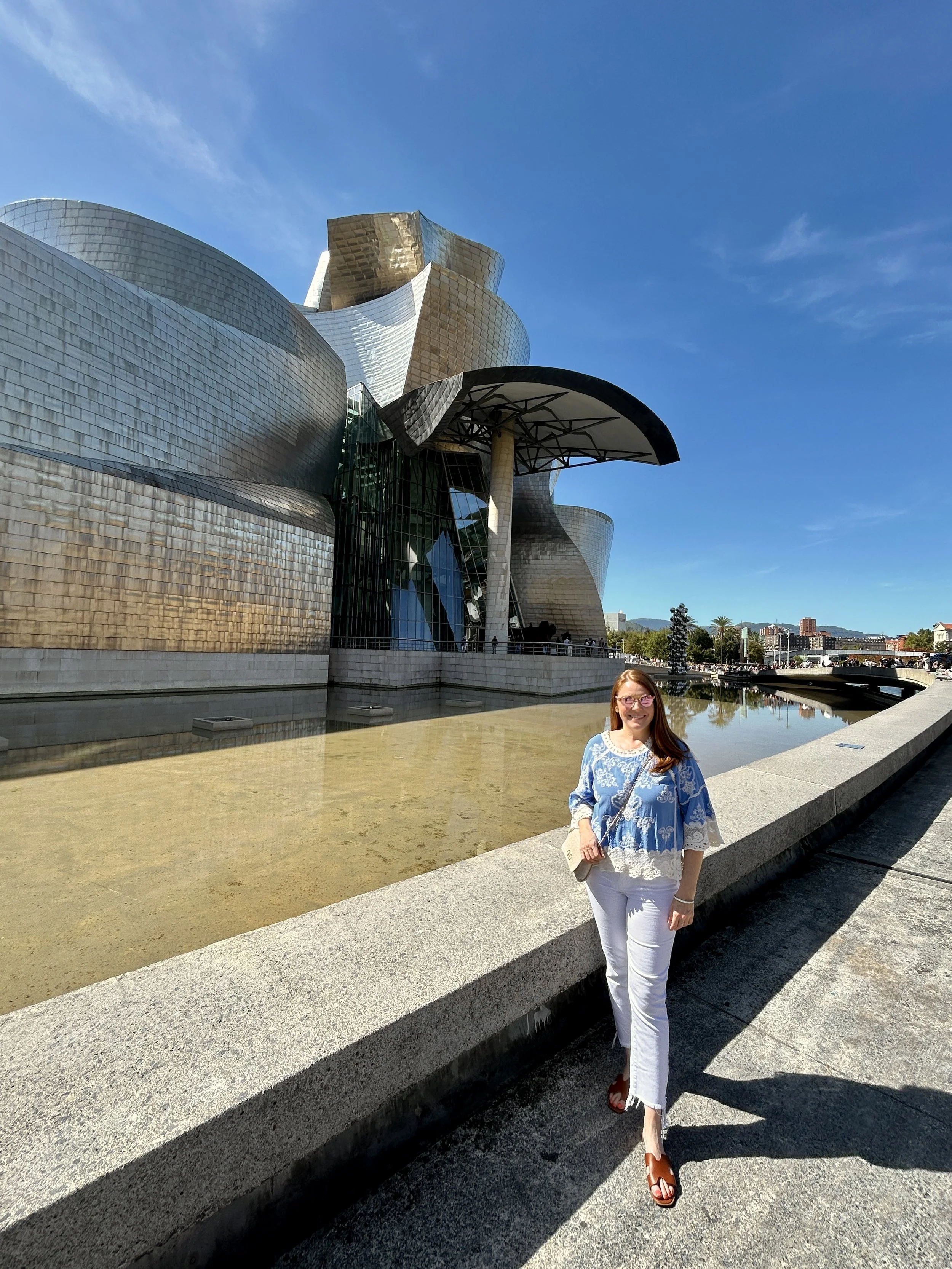
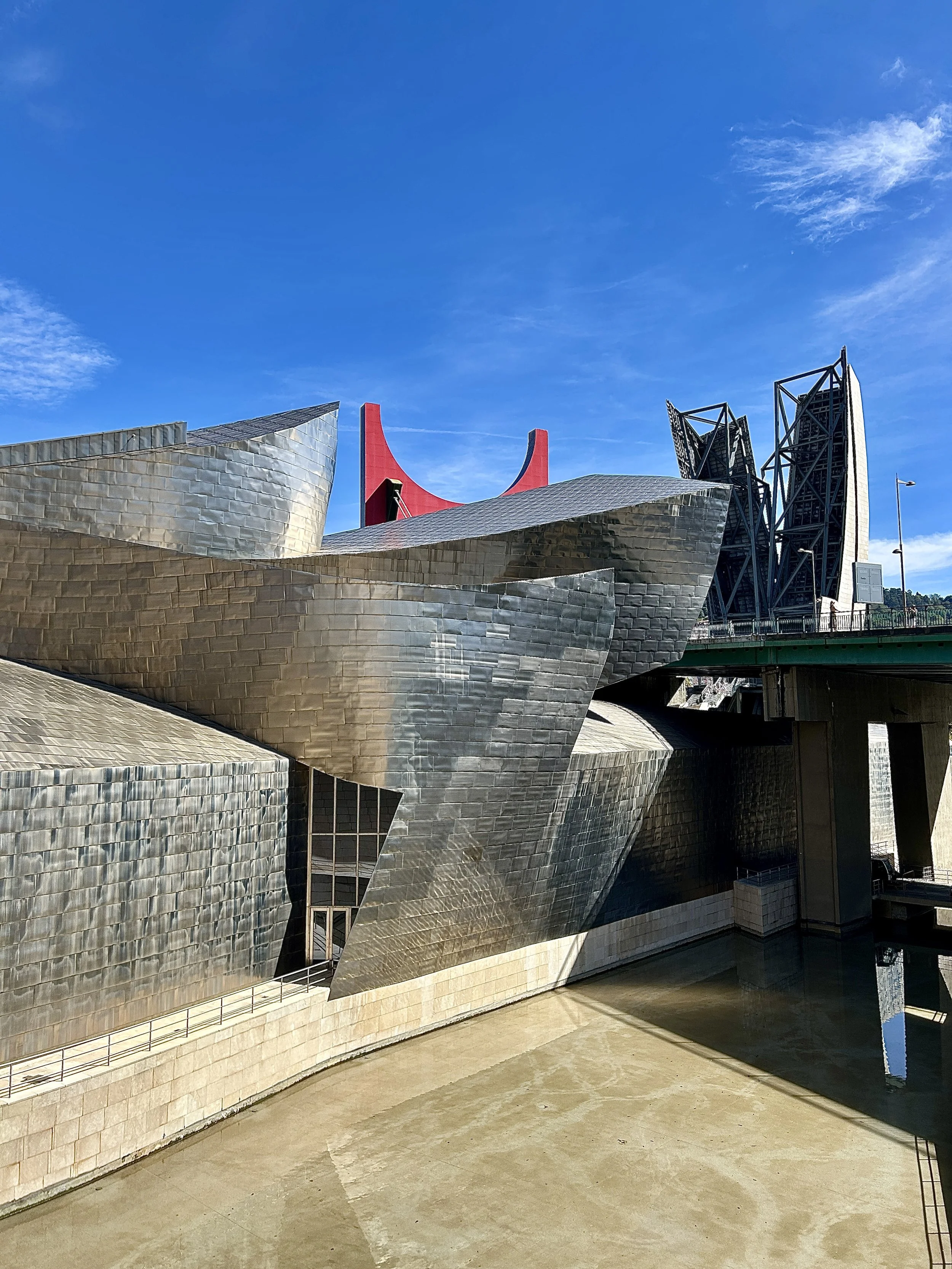
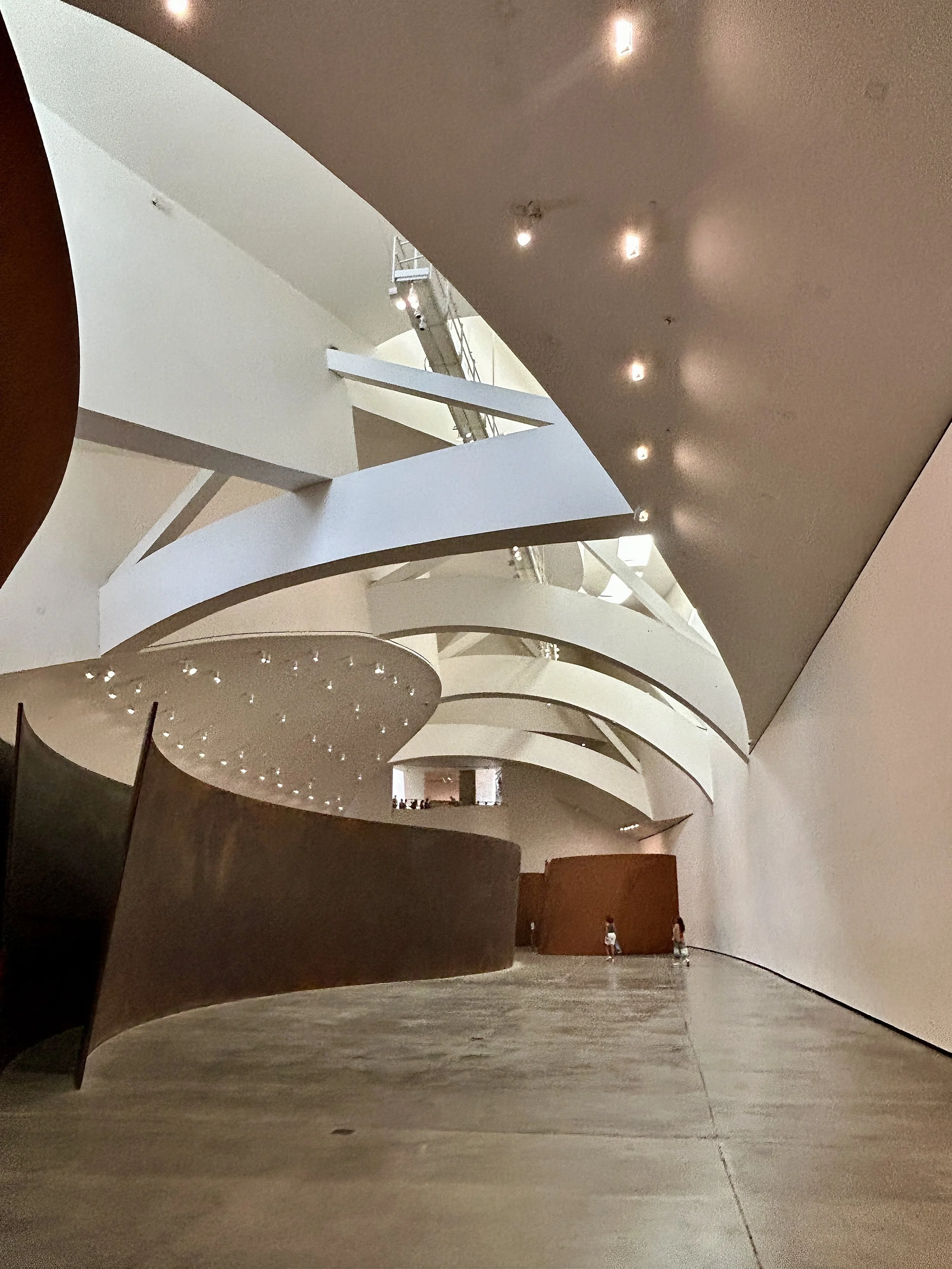
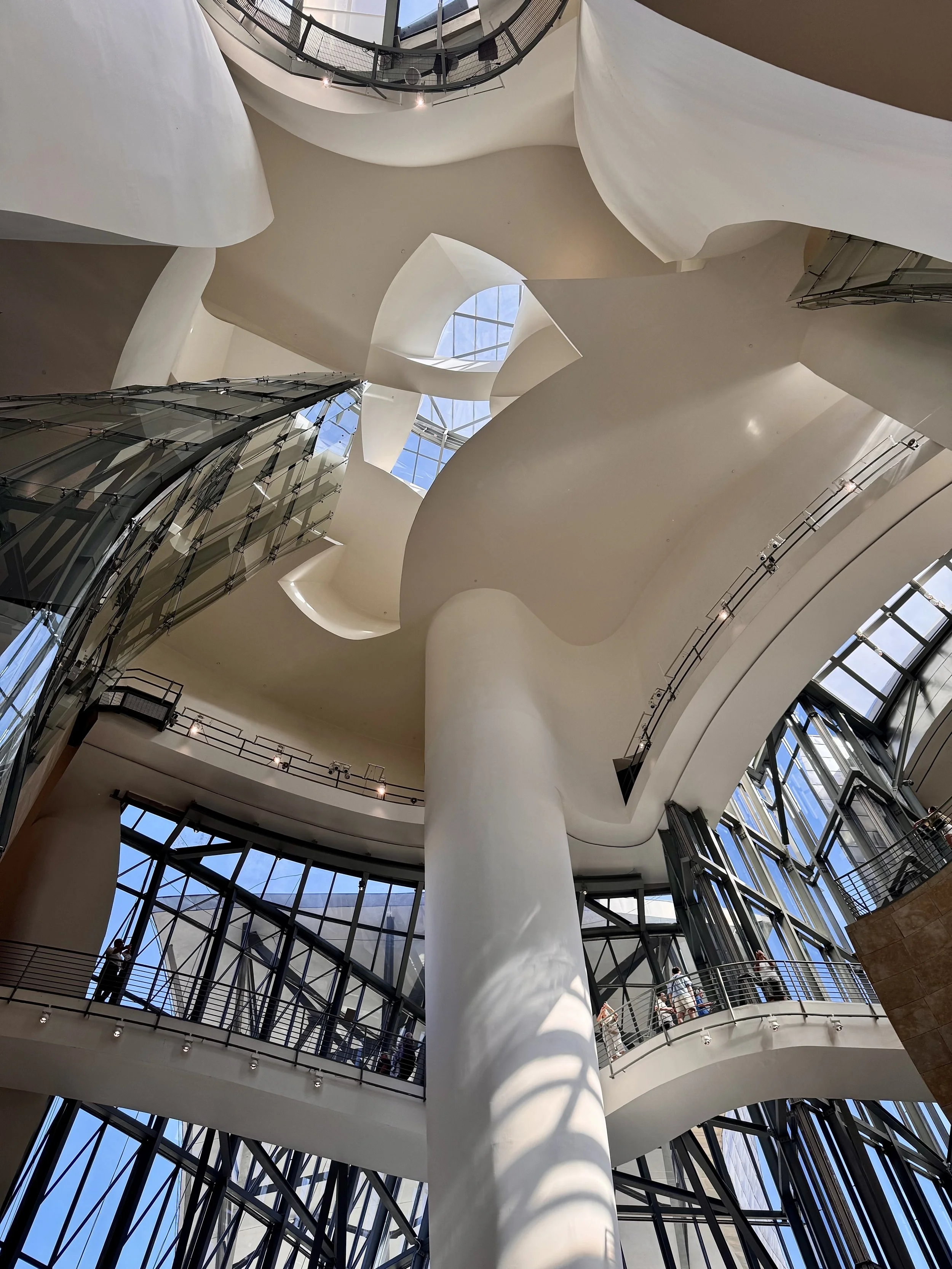
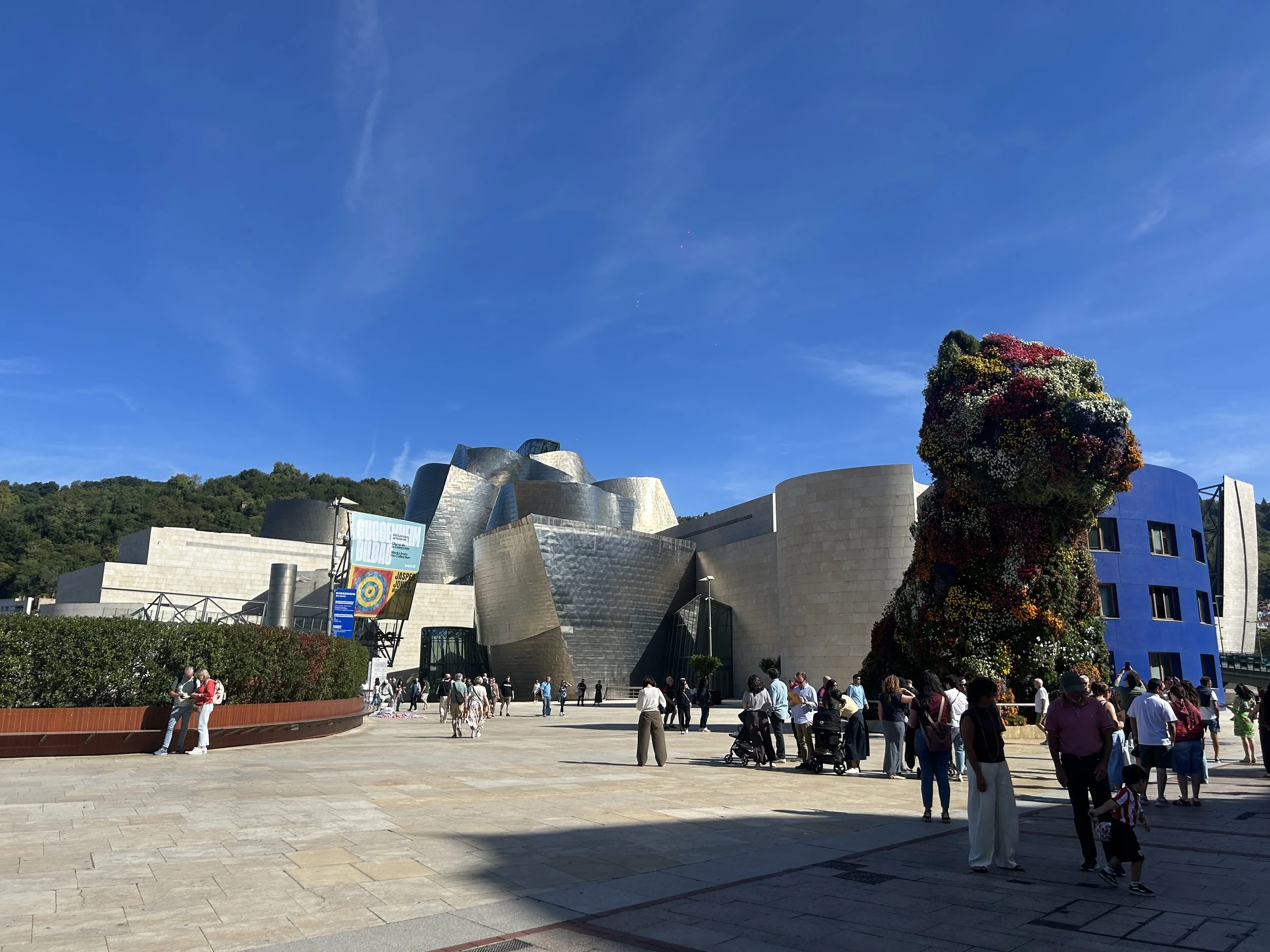
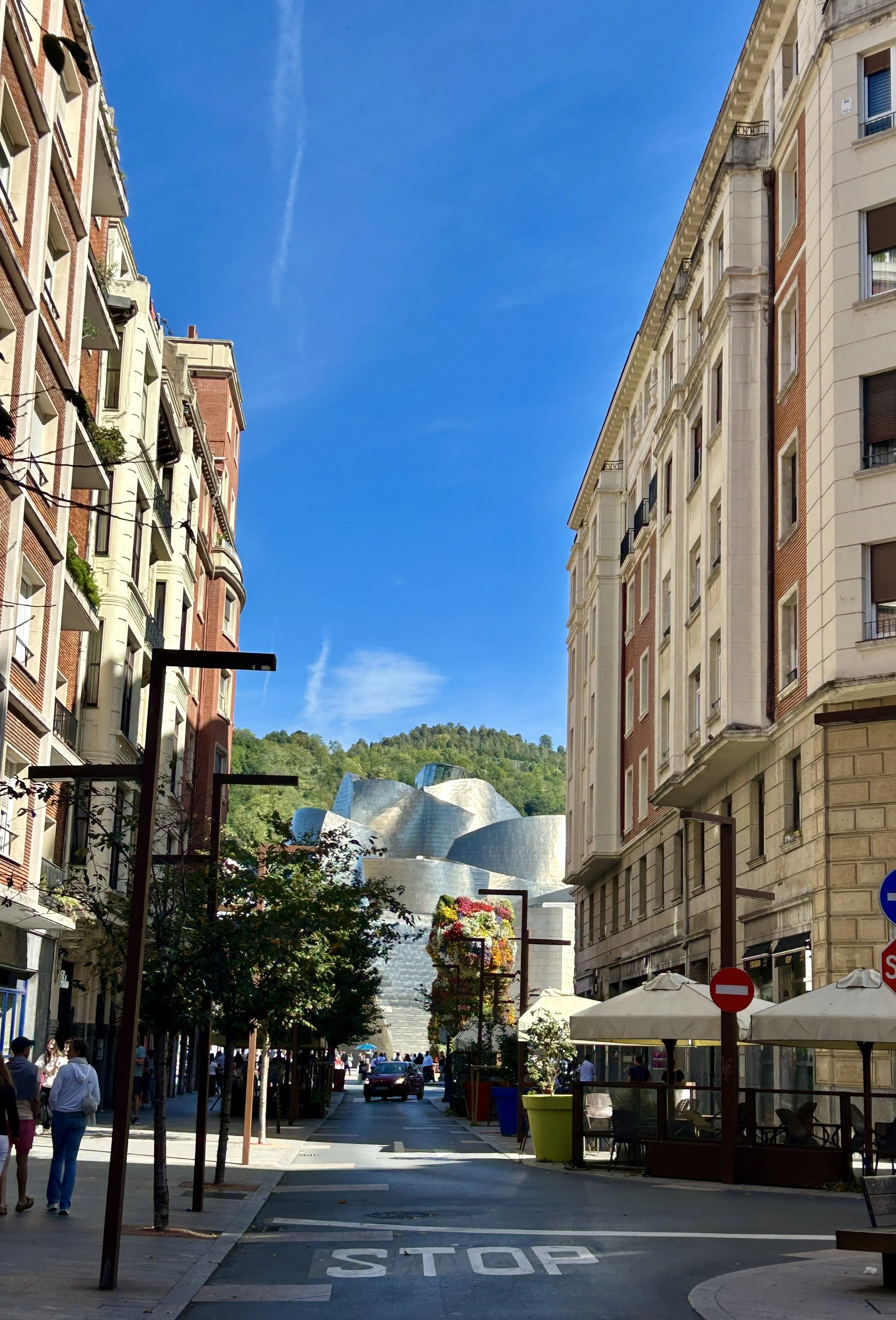
The Guggenheim Museum Bilbao opened in 1997 and helped transform the city into an international destination for art, architecture, and design.
If you've seen photographs of the building, you probably already recognize its sweeping titanium curves and dramatic position along the Nervión River.
But photographs don't quite prepare you for seeing it in person.
Like Marqués de Riscal, the Guggenheim is a building that feels almost alive.
The curves, reflections, and shifting perspectives make it difficult to appreciate from just one vantage point.
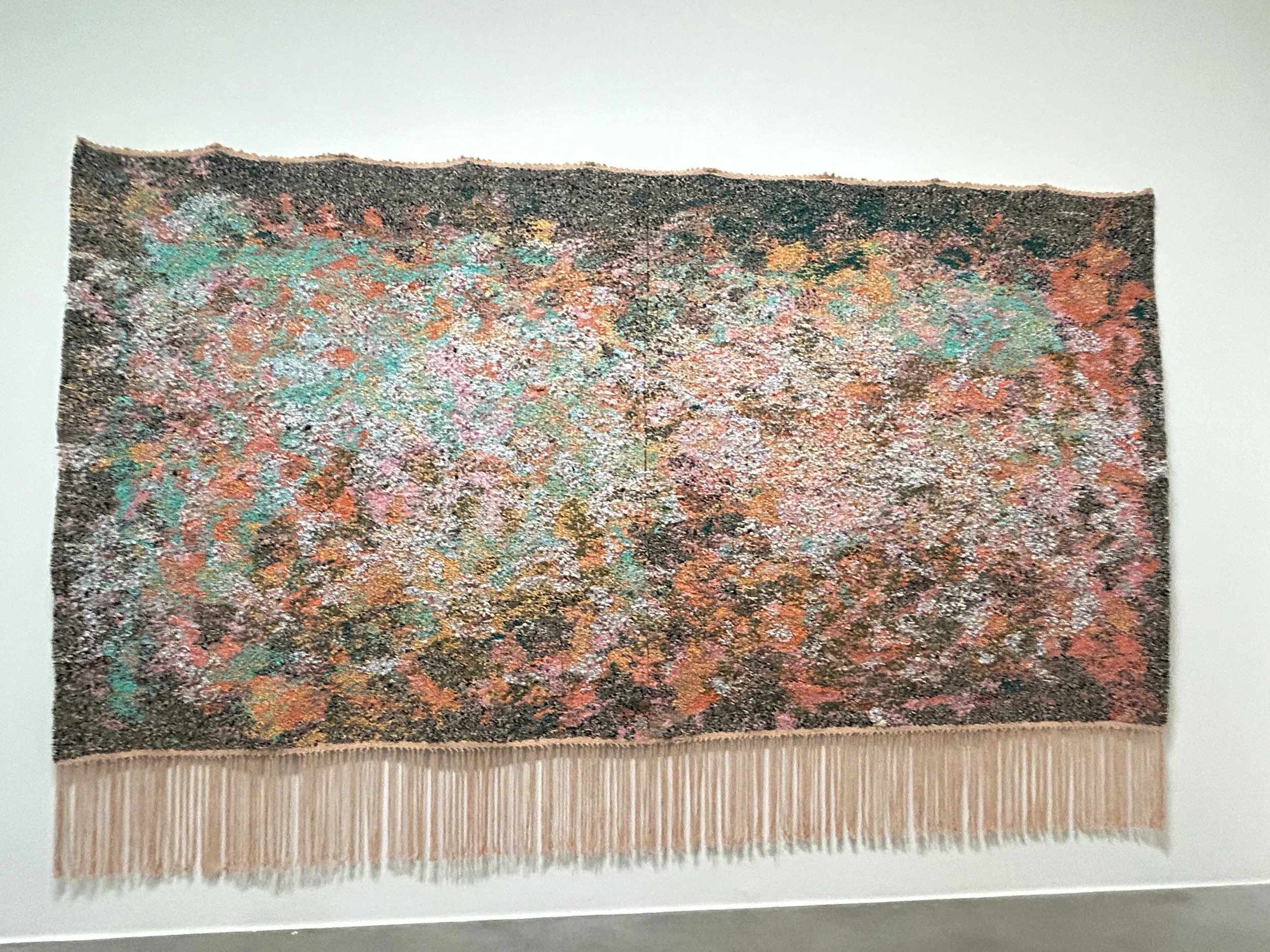
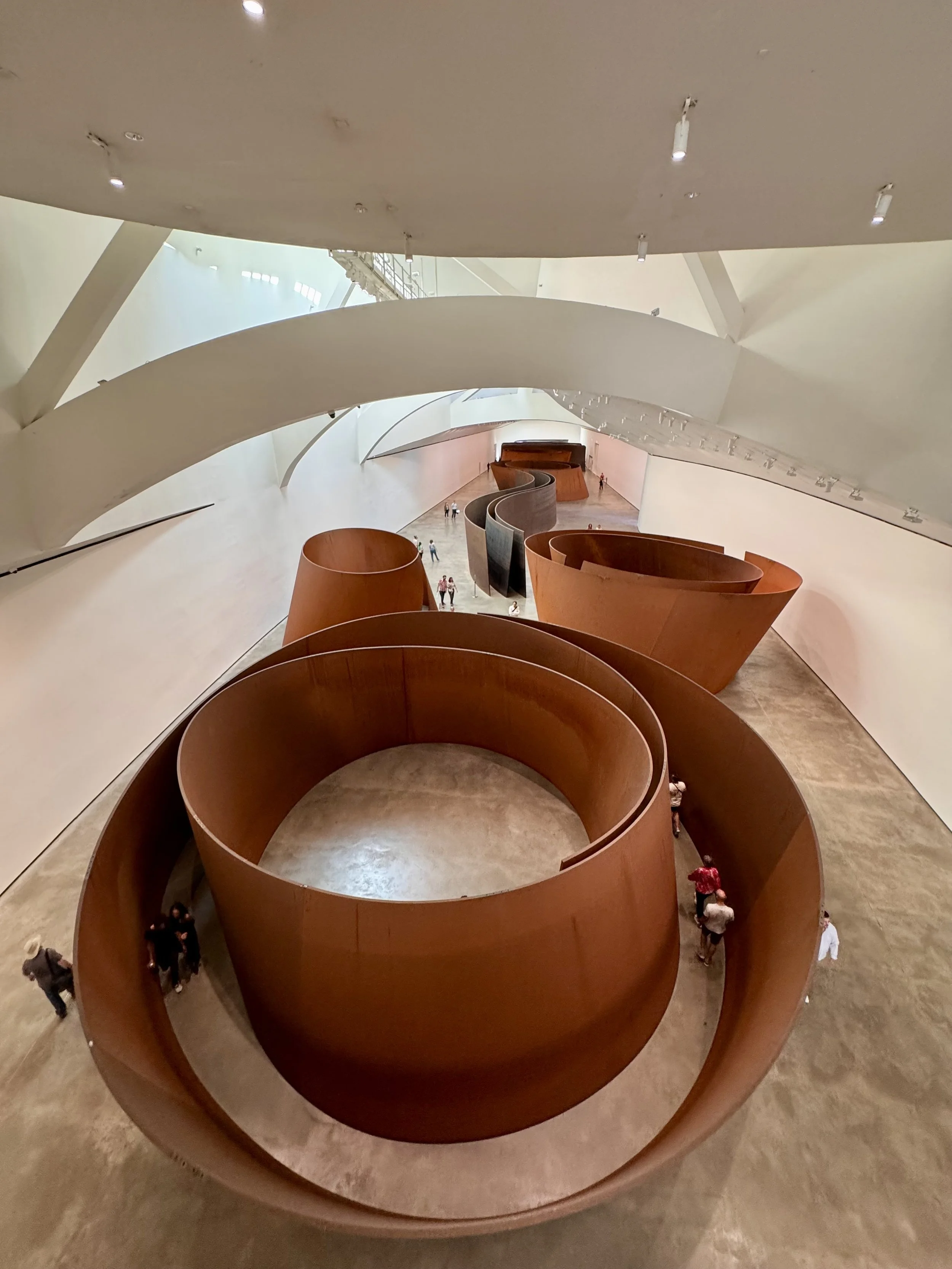
And while the museum's contemporary art collection and exhibitions are certainly worth exploring, the building itself is arguably the biggest attraction.
It's a work of art housing works of art.
Why the Guggenheim Changed Bilbao
One of the most interesting things about the Guggenheim is the role it played in Bilbao's transformation.
Once known primarily as an industrial and port city, Bilbao has reinvented itself as a destination for culture, design, and gastronomy.
The museum became such an influential example of architecture-led urban regeneration that the phenomenon even earned a name: the Bilbao Effect.
It's a fascinating example of how one ambitious cultural project can change the international perception of an entire city.
And it makes visiting the museum about much more than simply checking another famous landmark off your list.
You're seeing a building that helped reshape a destination.
Don't Skip the Rest of Bilbao
While the Guggenheim is undoubtedly the star attraction, Bilbao deserves more time than a quick museum visit.
I always encourage travelers to explore beyond the obvious landmarks, and Bilbao is a perfect example.
Spend time walking along the river, explore the historic Casco Viejo, and enjoy the city's excellent pintxos bars and restaurants.
There's a wonderful mix of old and new here, from traditional Basque architecture to bold contemporary design.
And if you're planning a longer Northern Spain itinerary, Bilbao fits beautifully between Rioja wine country and San Sebastián.
Two Gehry Icons, Two Completely Different Experiences
What I loved most about visiting both properties on the same trip was seeing how Gehry's architectural style translated into two very different environments.
At Marqués de Riscal, his dramatic curves and metallic ribbons rise above vineyards and historic winery buildings.
It's intimate, immersive, and designed around the experience of staying somewhere extraordinary.
At the Guggenheim Bilbao, those sculptural forms take on a much larger scale.
The museum dominates its riverfront setting, creating a cultural landmark that has become synonymous with the city itself.
One is a luxury hotel where you can actually spend the night inside a Gehry creation.
The other is one of the most recognizable museums in the world.
Both are spectacular.
And experiencing them together makes you appreciate the architecture in an entirely different way.
How to Plan a Rioja and Bilbao Road Trip
The beauty of this combination is that you don't need to build an entire trip around architecture alone.
In fact, I'd recommend incorporating these two landmarks into a broader journey through Northern Spain.
Here's how I'd approach it.
Start in Rioja
We began our journey in Madrid, picked up a rental car, and drove north into Rioja wine country.
Our first stop was Haro, where we stayed at Palacio de los Ángeles, a beautiful new addition to The Leading Hotels of the World.
Haro is a wonderful base for exploring the region, particularly if you enjoy historic towns, excellent restaurants, and traditional wineries.
From there, we moved to Marqués de Riscal in Elciego for a completely different hotel experience.
I loved having the opportunity to experience both.
Palacio de los Ángeles offers the charm of staying in a historic town, while Marqués de Riscal is a destination hotel built around architecture and wine.
For travelers with a few extra nights, it's a wonderful combination.
Continue to Bilbao
From Rioja, head north to Bilbao.
I'd recommend giving yourself enough time to visit the Guggenheim properly, explore the city, and enjoy its food scene.
If architecture is a major interest, you can also arrange a guided experience focused on Bilbao's urban transformation and contemporary design.
Having someone explain the history and context behind what you're seeing can make a tremendous difference.
Finish in San Sebastián
From Bilbao, continue along the Basque coast toward San Sebastián.
We made a scenic stop at San Juan de Gaztelugatxe, the dramatic coastal landmark featured as Dragonstone in Game of Thrones.
It's a beautiful detour, particularly if you're traveling by car and have time to explore.
We also stopped at Akelarre, a stunning Relais & Châteaux property overlooking the Bay of Biscay, before heading into San Sebastián for three nights.
And if you love food, San Sebastián is an absolute must.
The city's pintxos culture, incredible restaurants, beaches, and beautiful setting make it one of the highlights of Northern Spain.
We kicked off our stay with an Eating Europe food tour, which turned out to be one of the best ways to get acquainted with the city.
You can read more about the full journey in my Northern Spain road trip itinerary.
Why This Is a Great Trip to Plan With a Travel Advisor
One of my favorite things about designing travel is finding ways to connect a client's interests with experiences they might not have thought to combine.
Maybe you love architecture but hadn't considered visiting Rioja.
Maybe you're planning a wine trip and didn't realize you could stay in a hotel designed by Frank Gehry.
Or perhaps you've always wanted to visit the Guggenheim Bilbao but aren't sure how to build a larger itinerary around it.
That's where thoughtful travel planning comes in.
Rather than simply booking a hotel in one city and moving on to the next, I look at how destinations, accommodations, activities, and logistics fit together.
In this case, that might mean arranging a stay at Marqués de Riscal, coordinating winery visits, planning a guided architectural experience in Bilbao, and continuing to San Sebastián for a few days of exceptional food and coastal scenery.
It also means knowing when a rental car makes sense, when to arrange a driver, and which experiences are worth reserving in advance.
And perhaps most importantly, it's about creating a trip that feels personal.
The best itineraries aren't necessarily the ones with the most stops. They're the ones where every stop makes sense.
Is It Worth Visiting Both Frank Gehry Buildings in Spain?
Absolutely.
In fact, if you're already planning to visit Bilbao, I'd strongly encourage you to consider adding Rioja to your itinerary.
And if you're visiting Rioja for the wine, Marqués de Riscal is worth considering even if architecture wasn't originally part of your plans.
The combination is incredibly rewarding.
You get two architectural landmarks, one of Europe's great wine regions, fantastic food, charming towns, and some exceptional luxury hotels.
All within one relatively manageable road trip.
And for travelers who appreciate design, it's an opportunity to experience two of Frank Gehry's most extraordinary creations in completely different settings.
Two Gehry masterpieces. One incredible road trip. And a very good excuse to spend more time in Northern Spain.
If you're thinking about planning a trip to Rioja, Bilbao, San Sebastián, or anywhere in Spain, I'd love to help you create an itinerary that combines beautiful hotels, memorable experiences, and a few unexpected discoveries along the way.
Contact Trip Whisperer Agency to start planning your own Northern Spain adventure.
Continue Exploring Northern Spain