
Table Sept at Sunset: Natural Wine, Batroun Sea Days, and Lebanon in a Glass
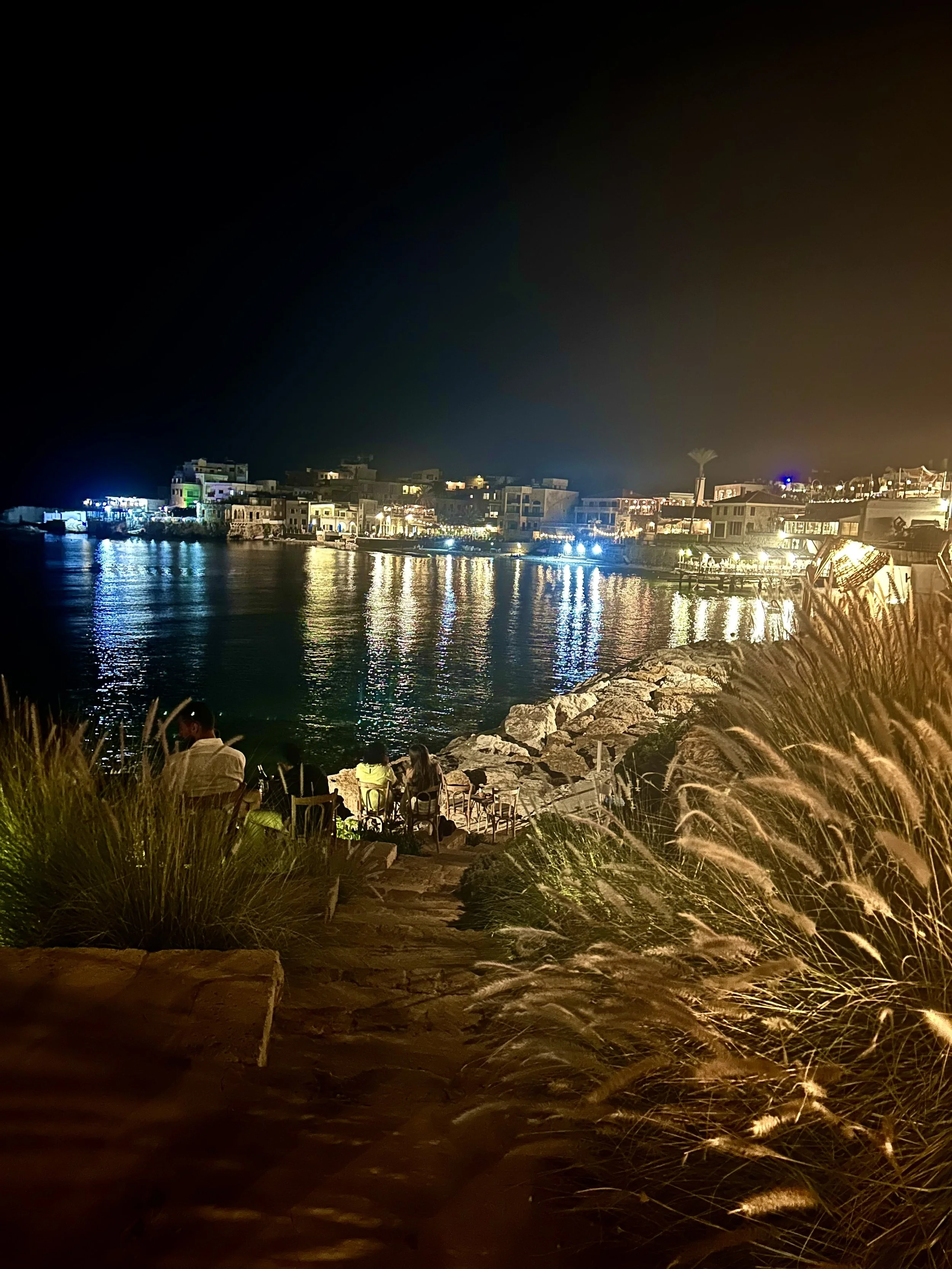
Batroun is not a “quick stop.” It’s a rhythm.
A day where the sea is non-negotiable, where you wander the old town with salt still on your skin, where lemonade turns into a long lunch, and where sunset always feels like a plan, whether you meant to make one or not.
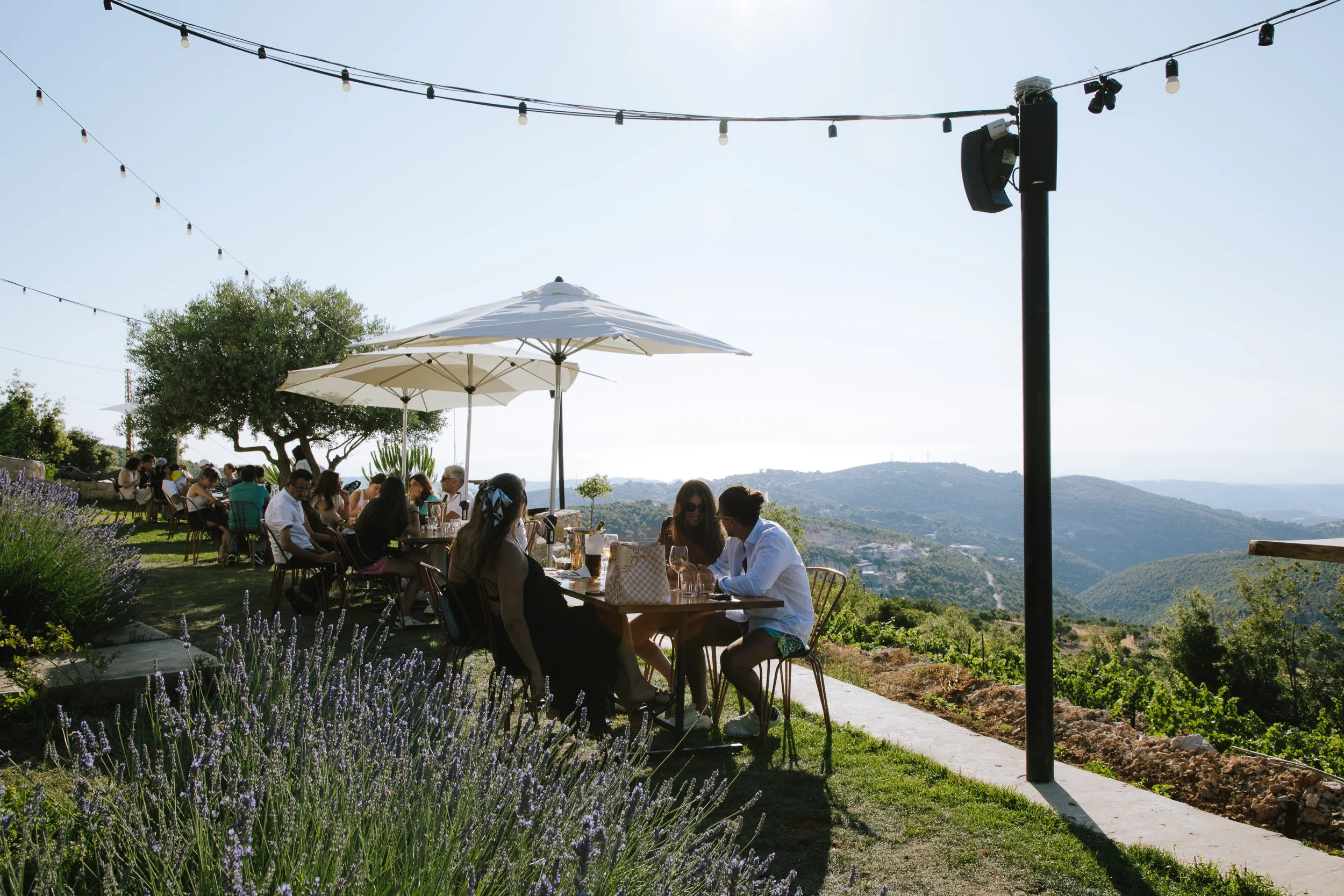
This is why the Tables Over Tours series finishes here on Wednesday, August 19th. Batroun by day, the mountains by golden hour, and a seat at Table Sept as the sun softens over the hills.
Because if Beirut is energy and the Bekaa is ritual, Batroun is Lebanon exhaling. Do as the locals do and come here on a weekday when it’s less chaotic and crowded.
Sept Winery, in one line: Lebanon, without imitation
Maher Harb, owner and winemaker of Sept Winery, didn’t build Sept to copy a style or chase a trend. He built it as a statement of place.
“Sept is my way of expressing Lebanon through wine—its mountains, its history, its resilience, and its beauty,” he says. “Wines that are honest, rooted, and alive without trying to imitate anywhere else.”
That’s the heartbeat of Sept: Lebanon, unfiltered.
“Build rather than escape”
Sept is often described as being “born out of a desire to revive my homeland,” but Maher explains it in real-life terms—less romantic, more brave.
“It meant coming back to the land,” he says. “Planting vines instead of leaving. Investing in something slow and fragile in a country that pushes you to give up. A conscious choice to build rather than escape.”
And the first time he knew it was working wasn’t a medal or a headline. It was a reaction:
“The first time someone tasted a wine and said, ‘This tastes like here.’ Not like a grape, not like a style—like a place.”
The Batroun mountains: tension, limestone, light
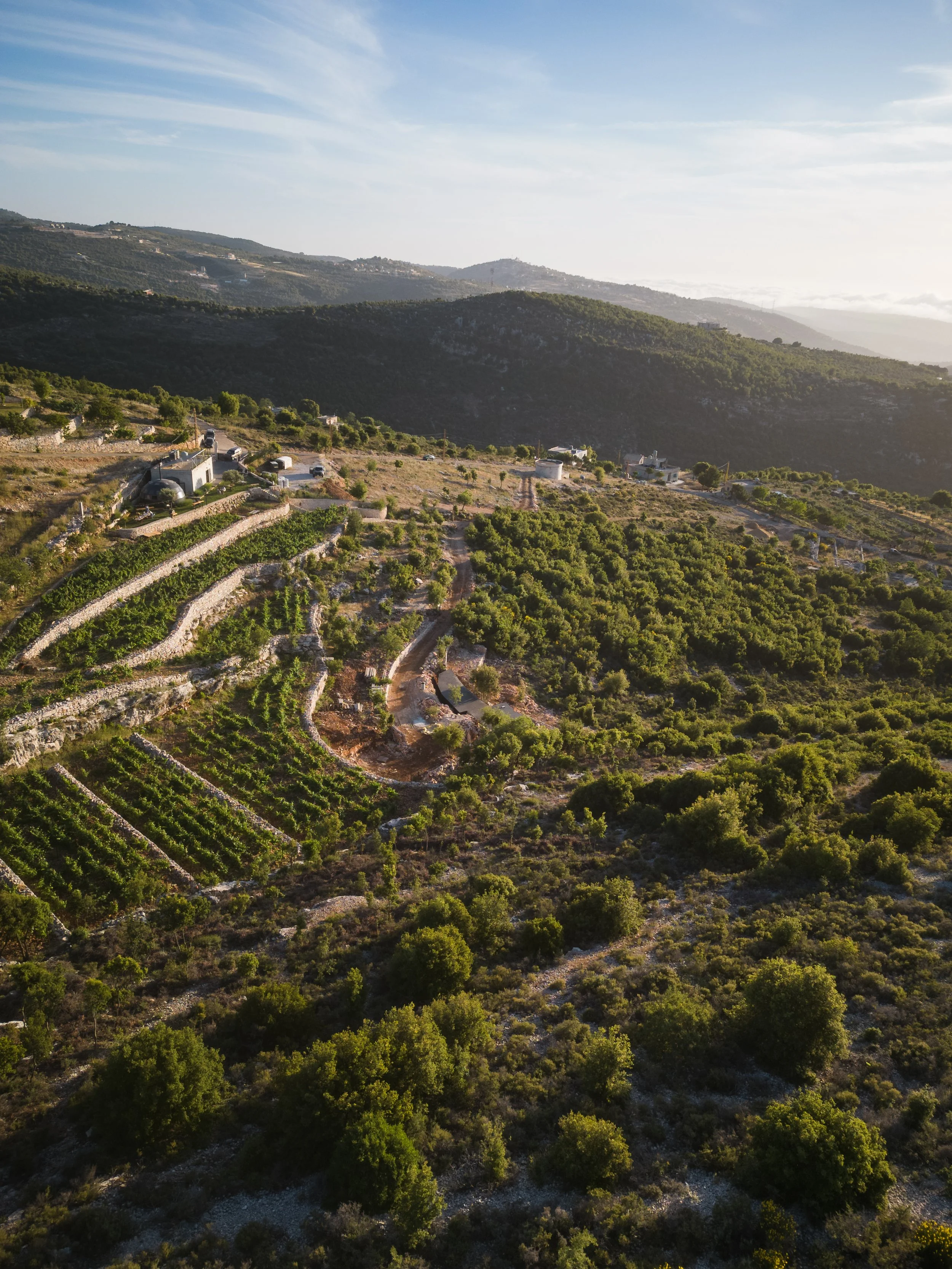
Sept sits in the Batroun mountains, and you feel the shift immediately: brighter air, cooler edges, that crisp lift you only get at altitude.
Maher describes the terroir as a beautiful kind of contradiction:
High altitude
Limestone soils
Strong sun, balanced by mountain freshness
A subtle Mediterranean influence
“It’s tension between warmth and precision,” he says.
And that tension is exactly what makes these wines feel so alive.
Biodynamic, day to day: listening instead of forcing
Sept calls itself the first biodynamic vineyard in Lebanon, and Maher keeps the definition grounded:
“No chemicals, working with lunar cycles, composting, animals, cover crops—and listening to the vineyard instead of forcing it.”
He’s equally clear on why he leans into natural practices and monovarietal wines:
“Because they remove noise. One grape, one place, minimal intervention—that’s the clearest way to let Lebanese terroir speak for itself.”
If Sept had a signature, it’s Merweh
Ask which grape feels most “Sept” right now, and Maher doesn’t hesitate:
“Merweh. It carries history, altitude, and memory. Deeply Lebanese and quietly powerful—exactly what Sept stands for.”
If someone is only having one glass at Sept, he pours Merweh again—because it holds Lebanon’s past and present in the same sip.
Table Sept: the guest table of the winery
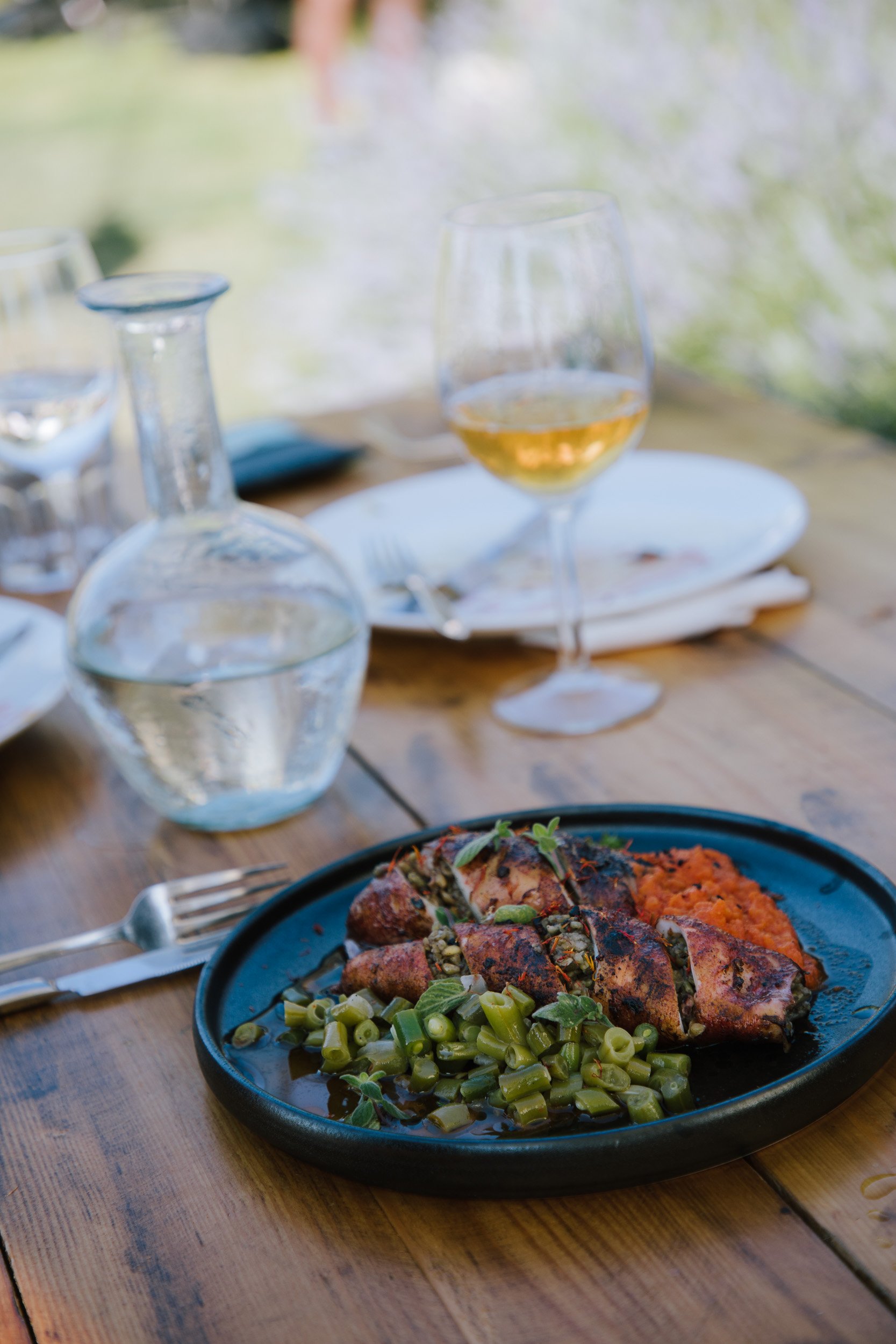
Table Sept isn’t a restaurant in the performative sense. It’s the winery’s guest table—the place where you experience the wines through food, time, and presence, without distraction.
“Table Sept is where we host people in an intimate, grounded way,” Maher says. “Allowing them to experience the wines through food, time, and presence—without distraction.”
And when he says “winemaker-cook terroir cuisine,” he means it literally.
“I cook the way I make wine: seasonal, instinctive, respectful of the product. Food becomes another way to express the land.”
What does he hope happens at the table?
“That people slow down, talk to strangers, share stories, and feel connected—across cultures, generations, and backgrounds.”
If that sounds familiar, it should. In Lebanon, the table is never just the table.
“It’s everything,” he says. “Where families bond, conflicts soften, and joy is shared. Eating together is an act of love and belonging.”
A perfect Batroun day, the Trip Whisperer way
If you’re doing Batroun right, you start with one rule:
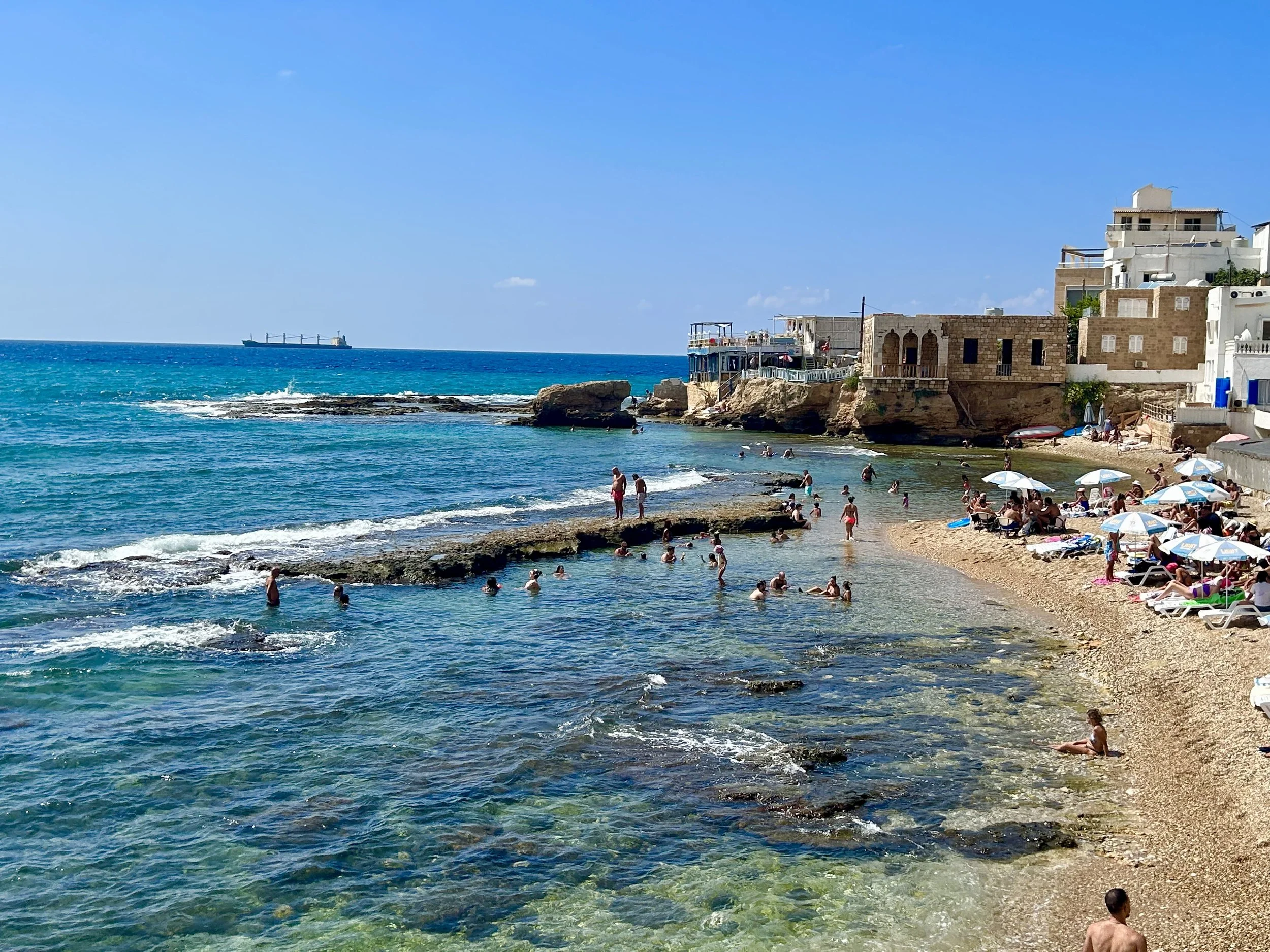
Spend the day by the sea.
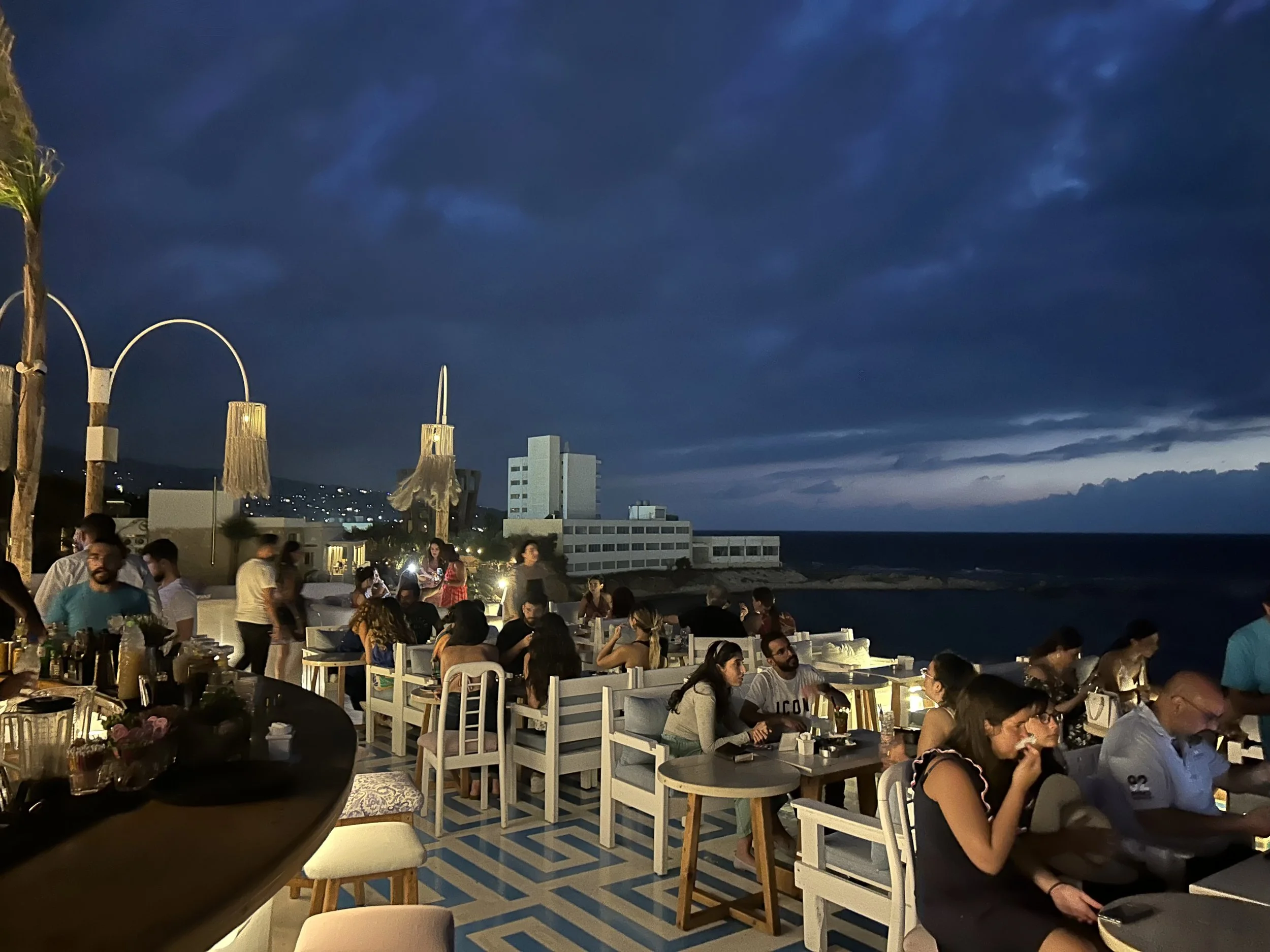
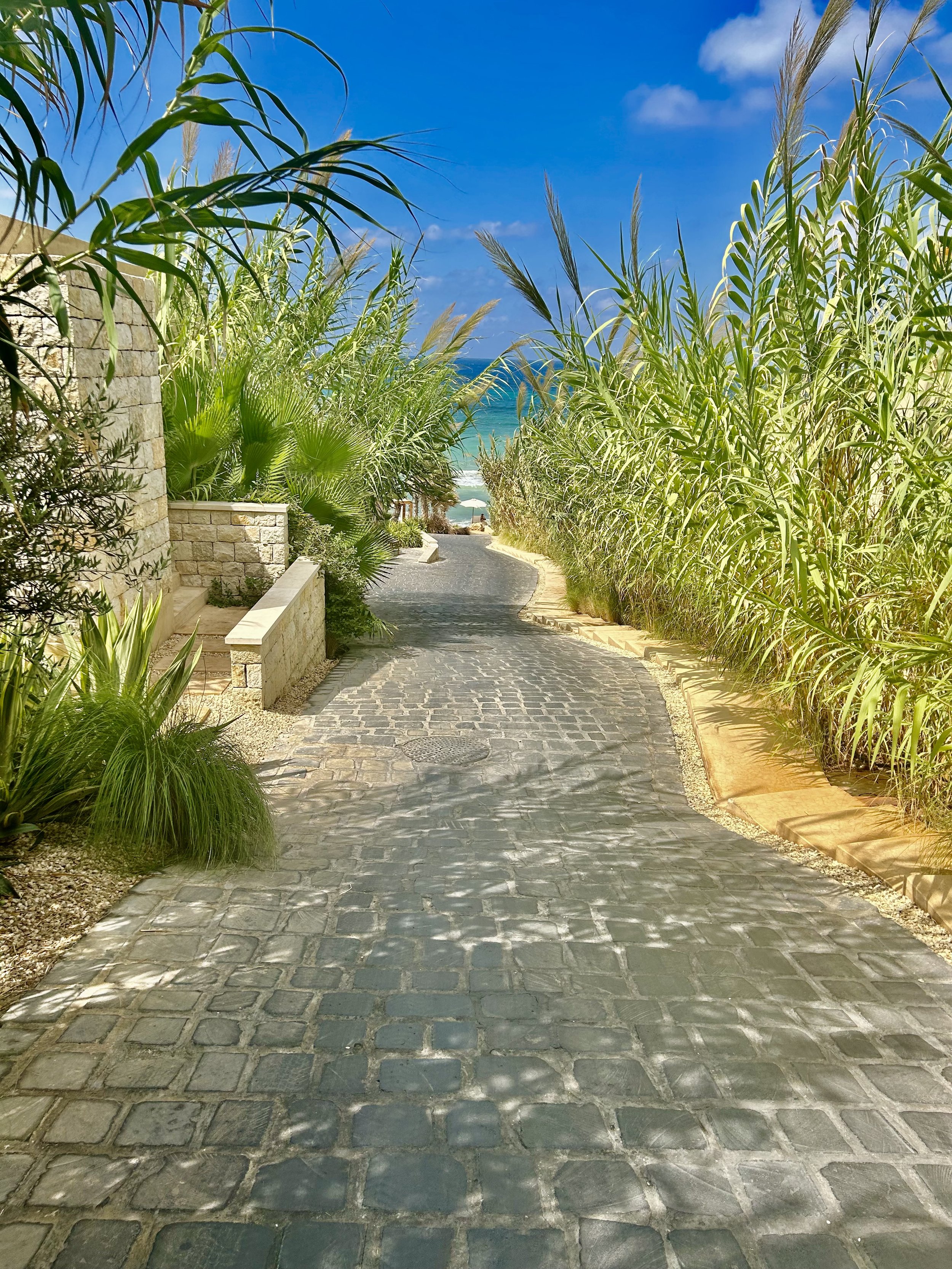
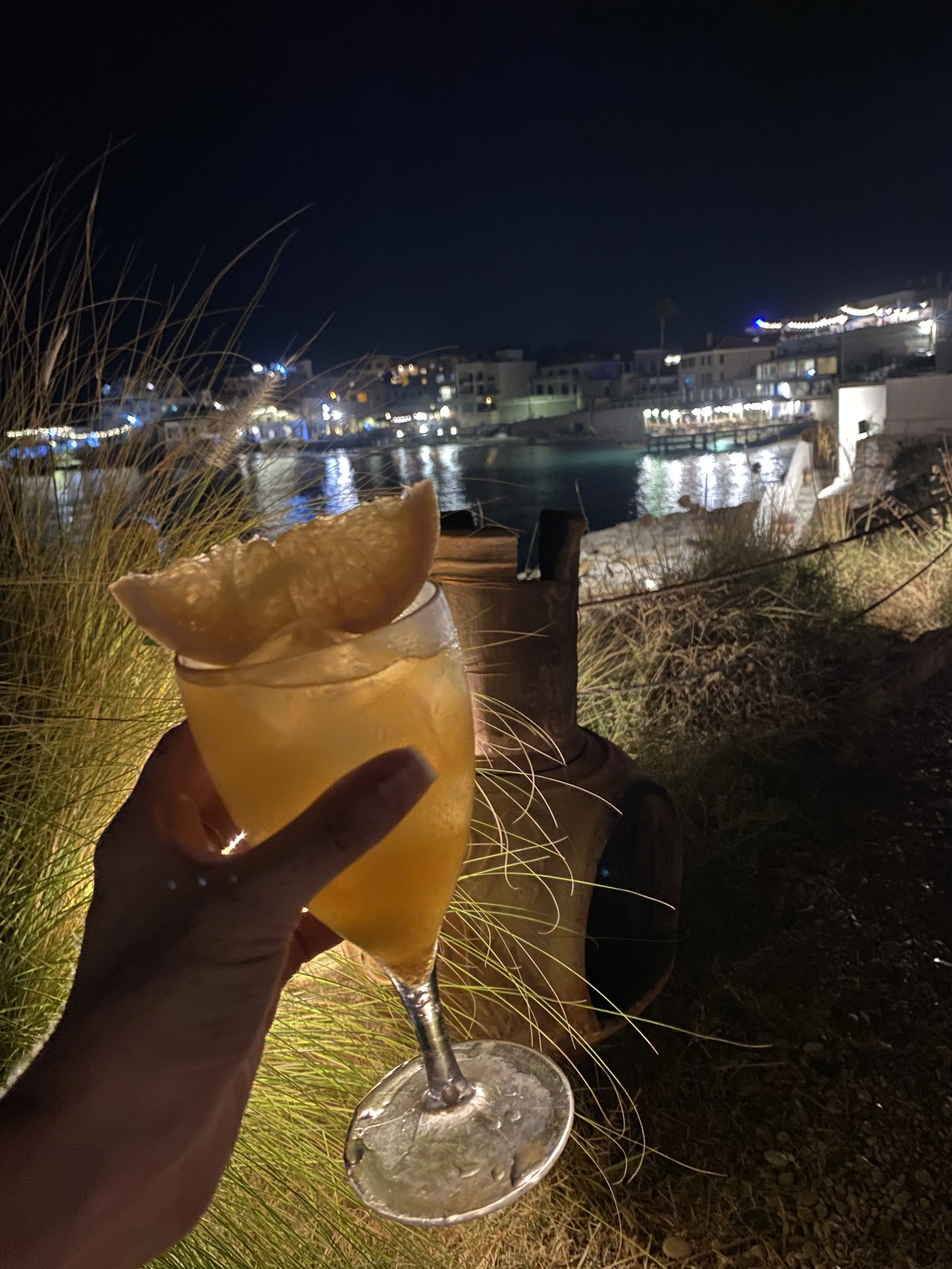
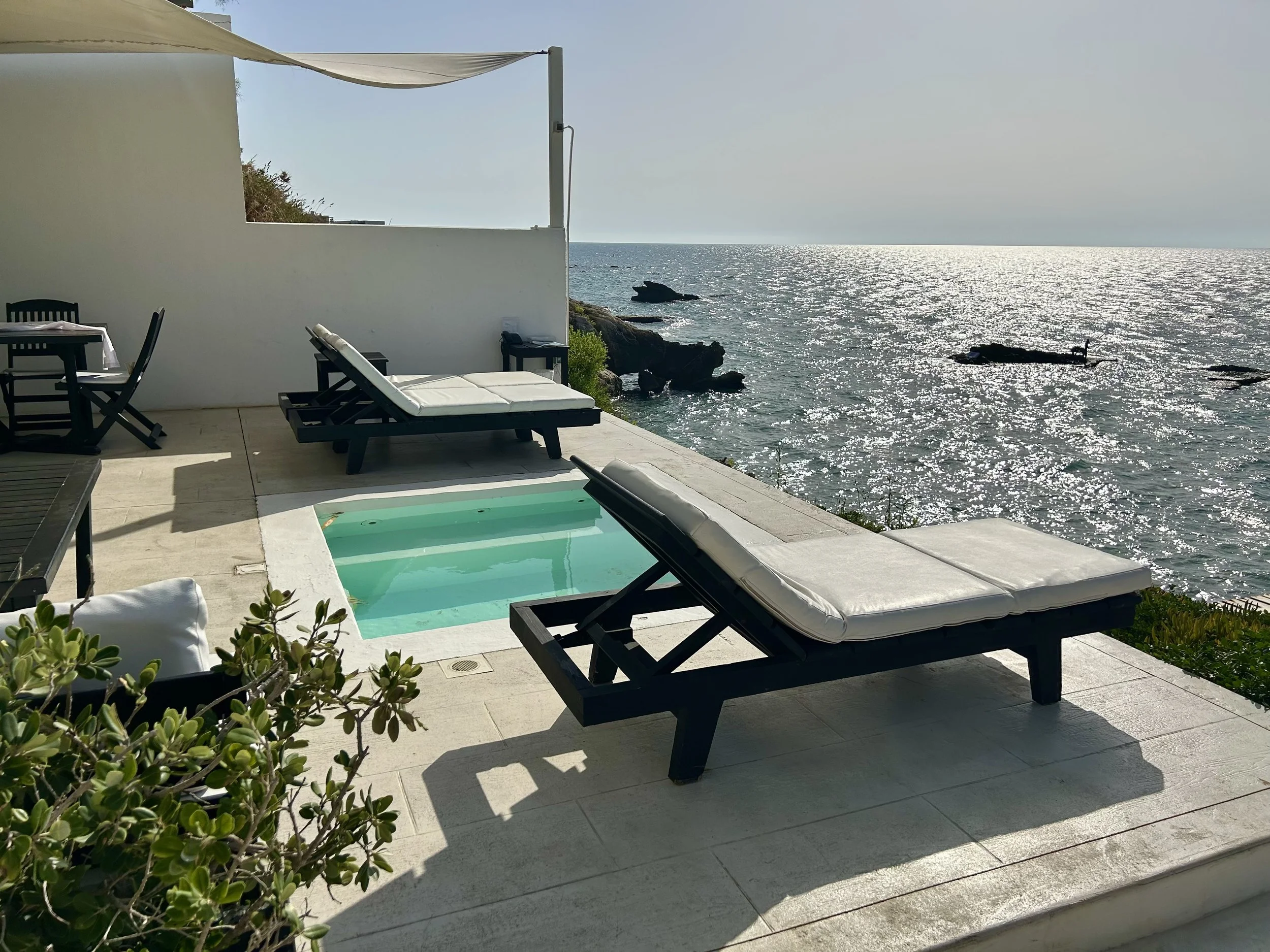
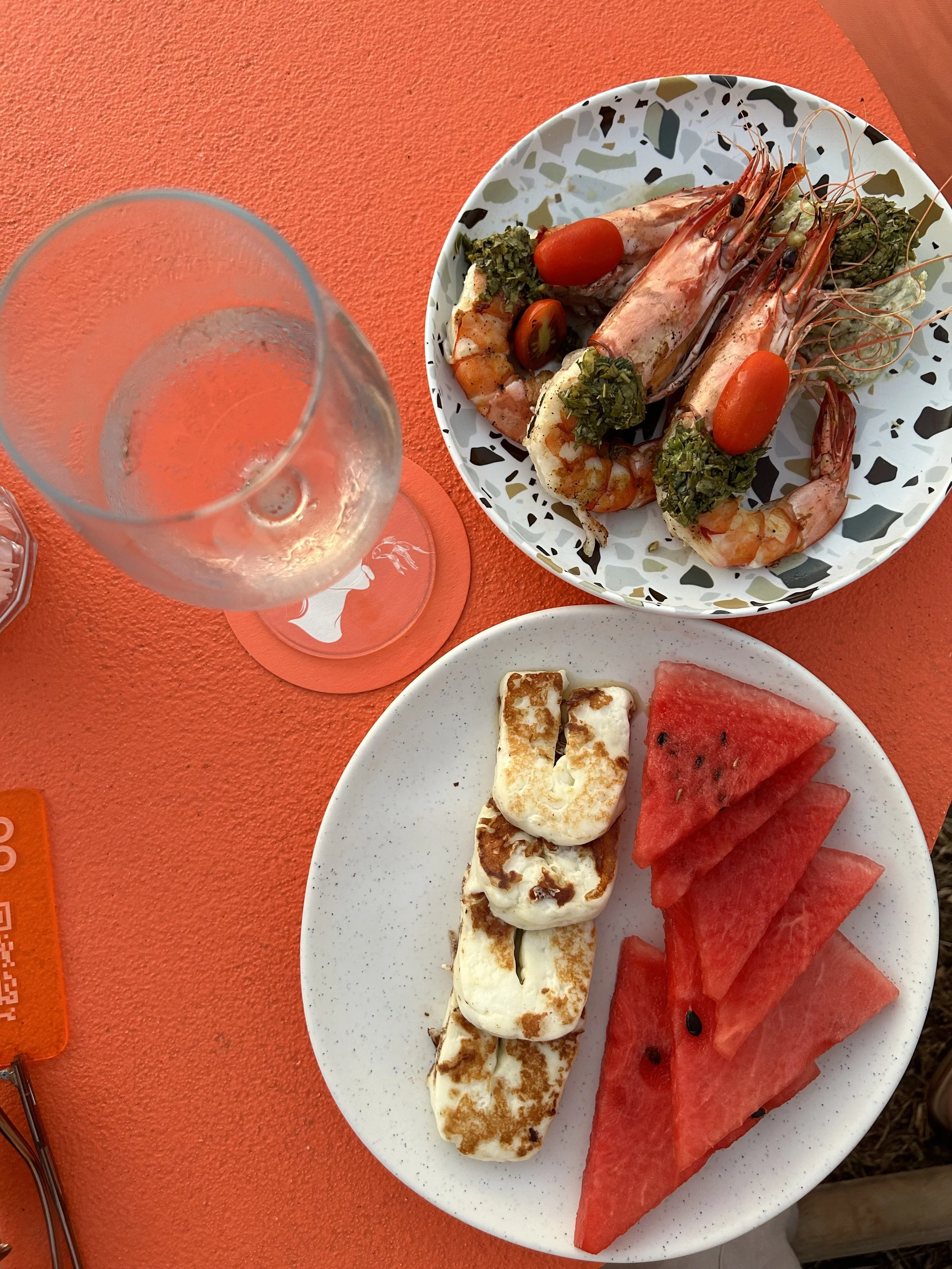
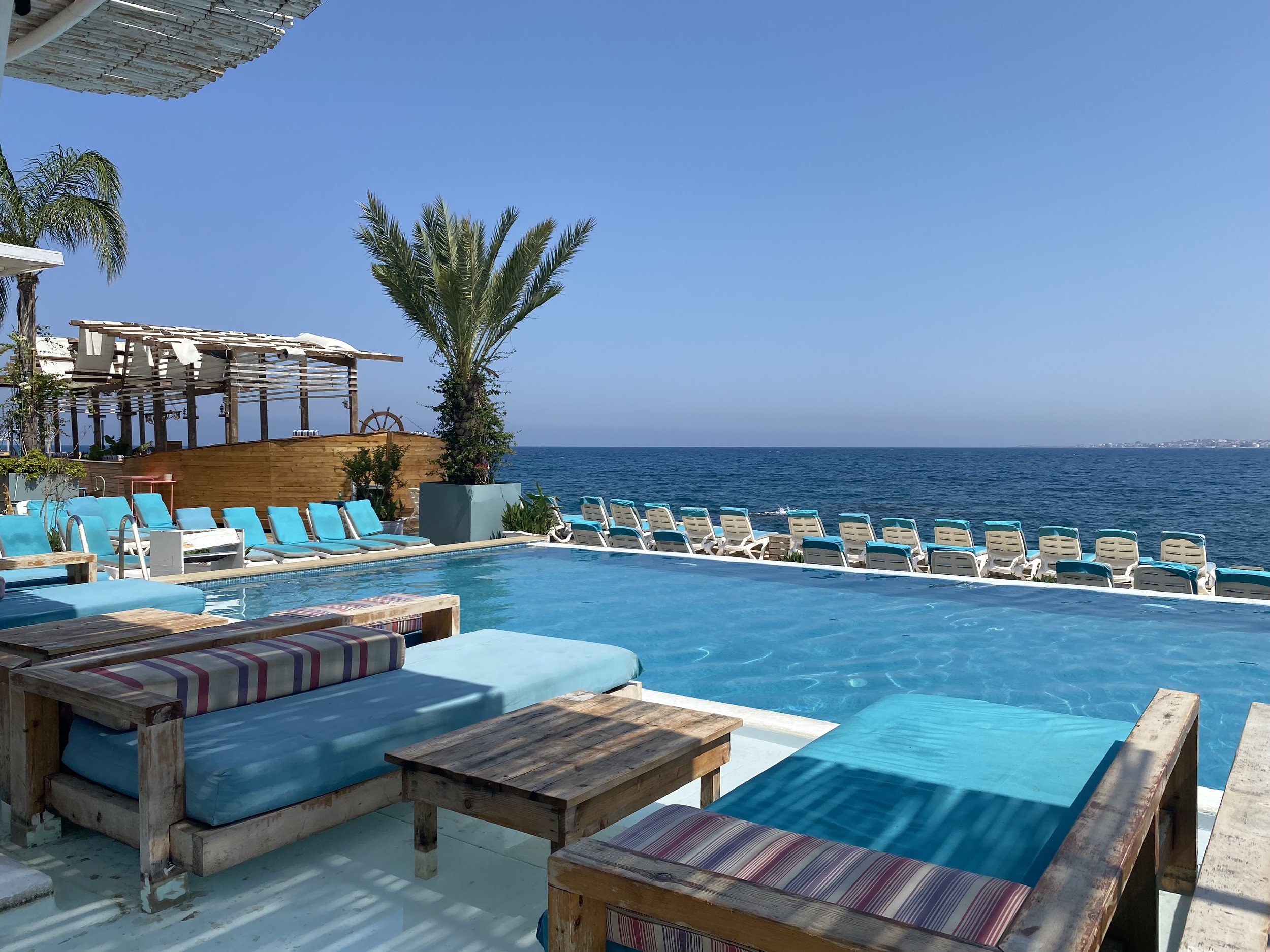
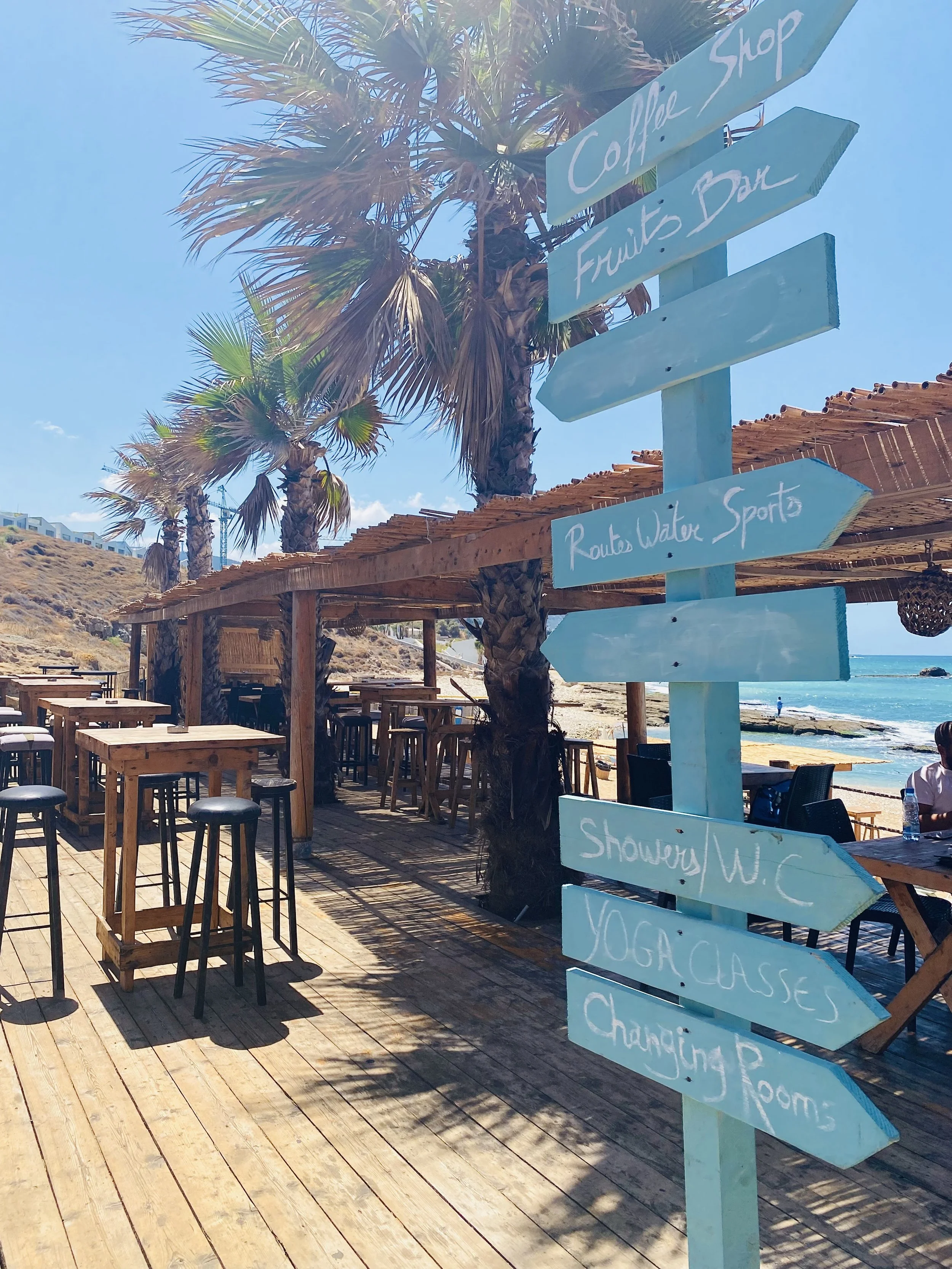
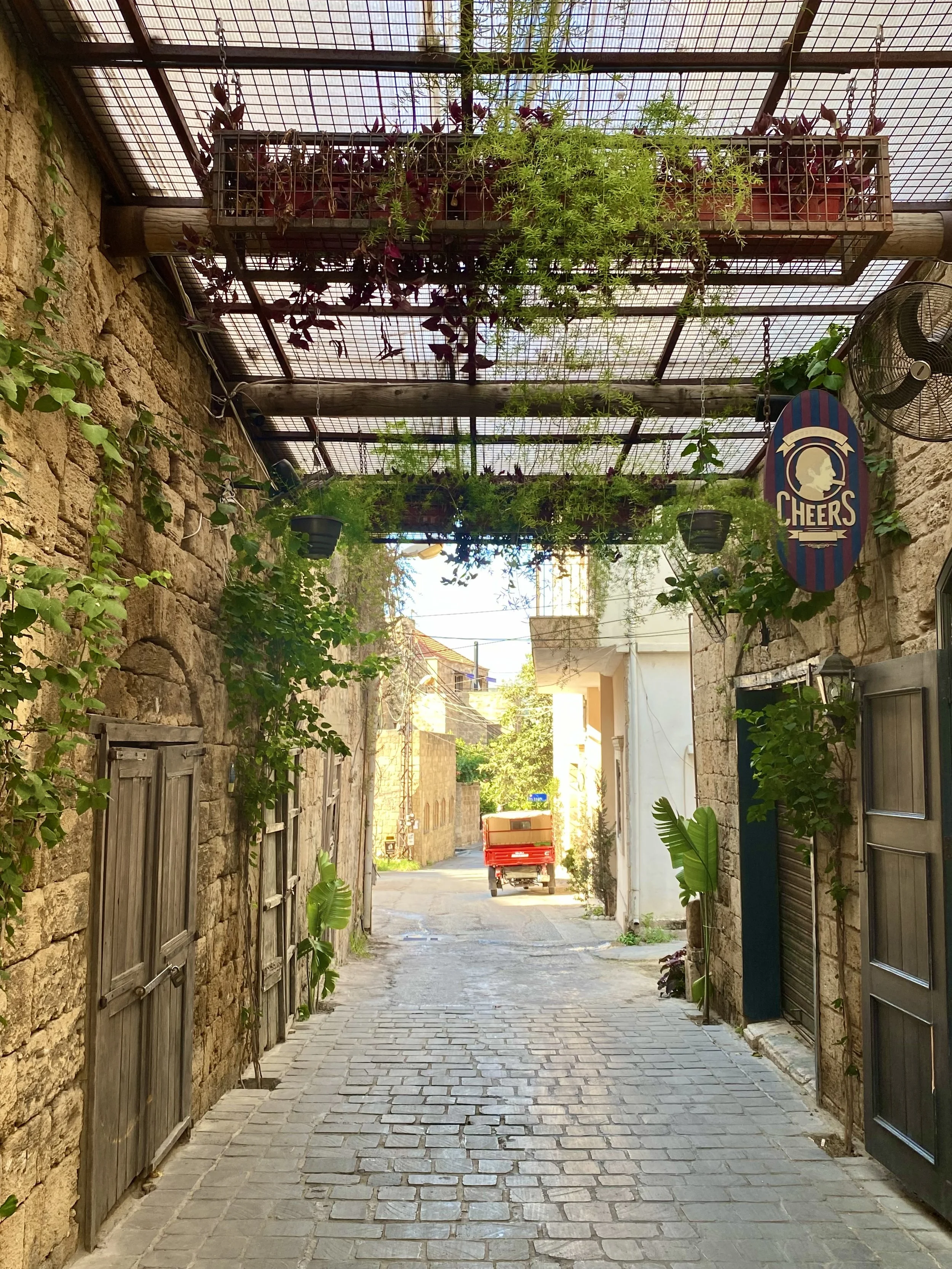
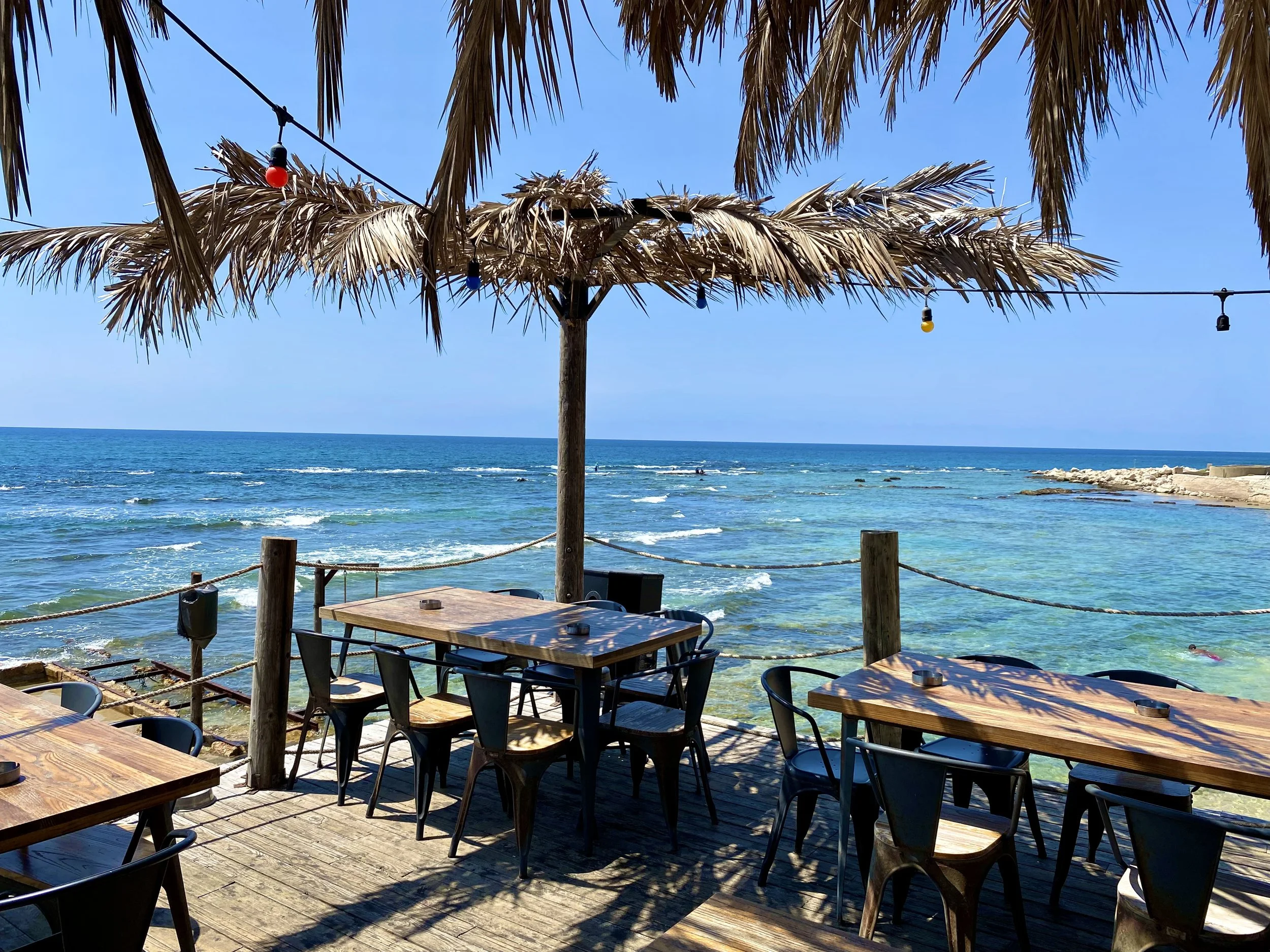
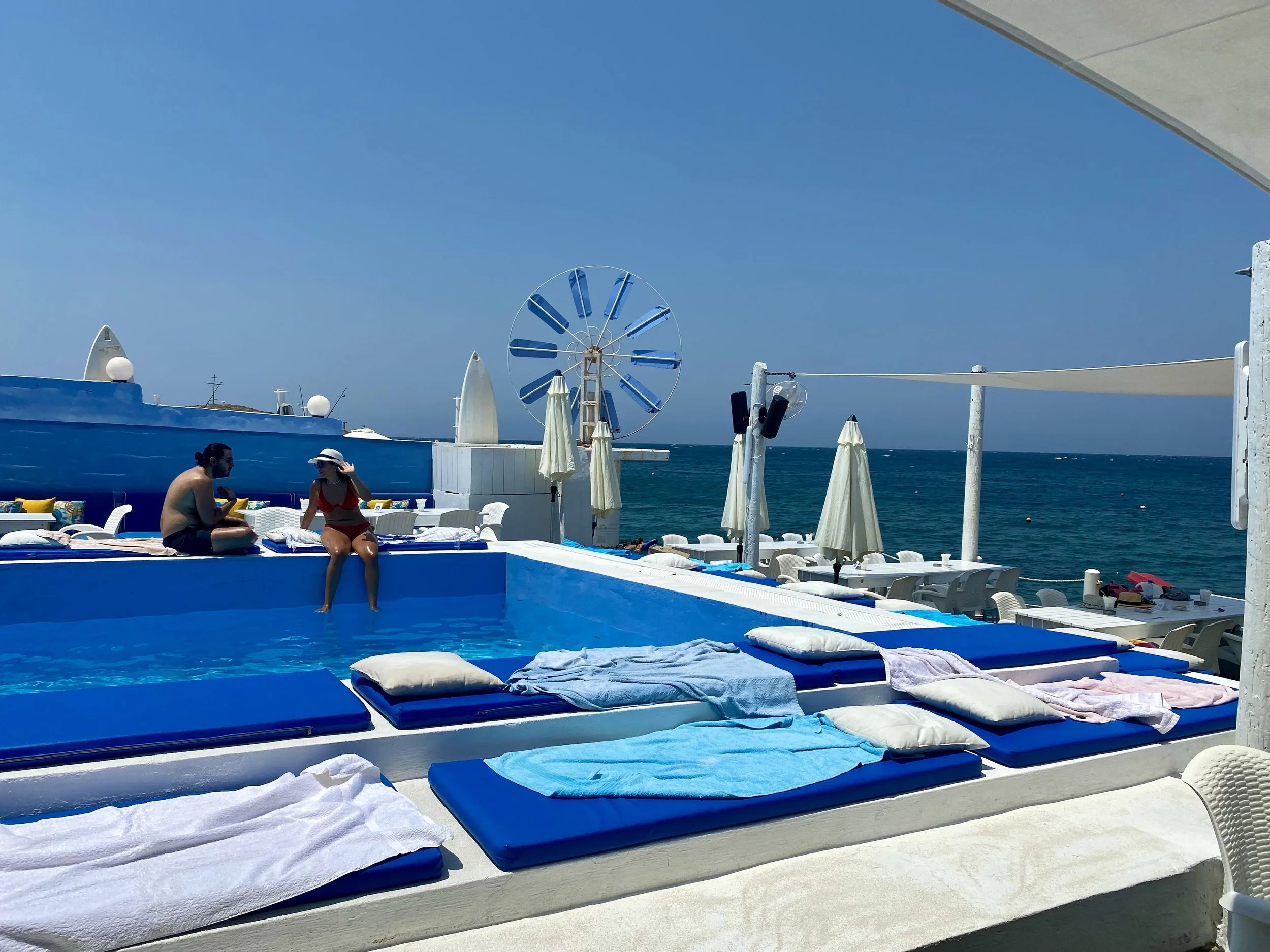
Sea day favorites
Butlers Beach Club (posh, with Capo connected)
Orchid
Pierre & Friends (classic Batroun chaos in the best way)
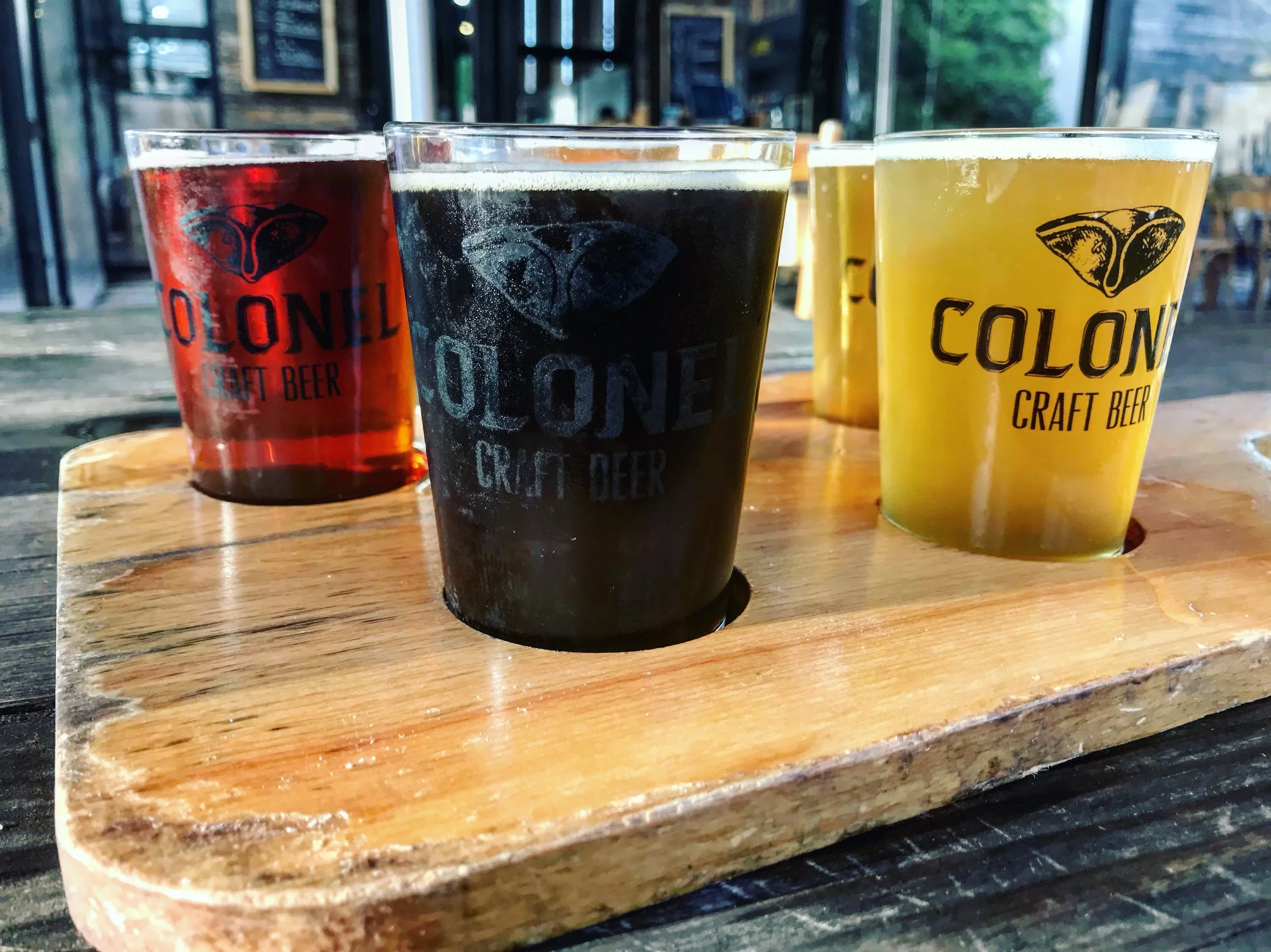
Colonel Brewery by the water — have a beer, put your feet in the water, try watersports, pet some dogs, meet the locals; paddleboarding is the best way to see Batroun from the sea
Let the day be easy. Feet in the water with a late breakfast. A slow stroll through the old town.
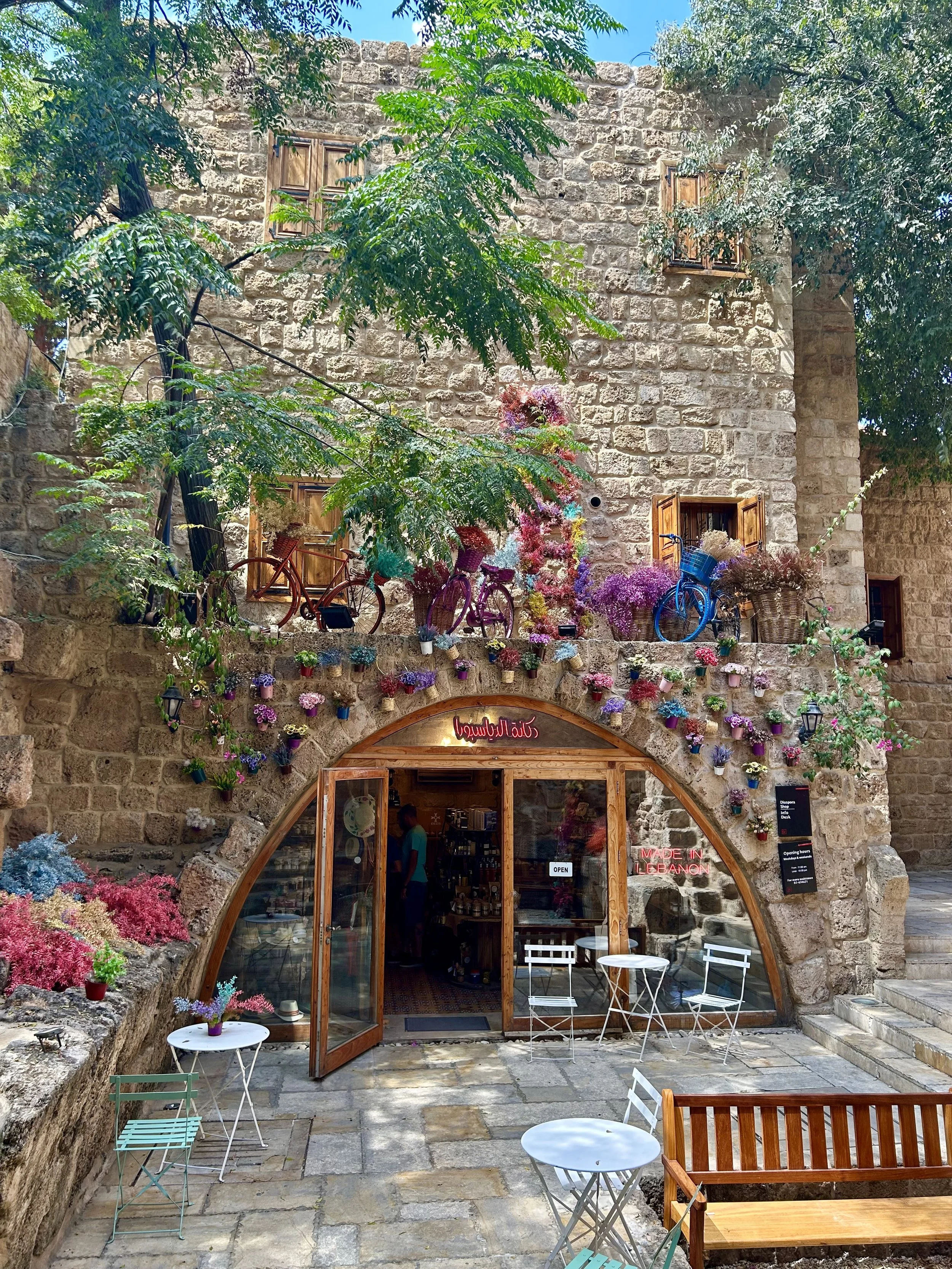
Old-town meander essentials
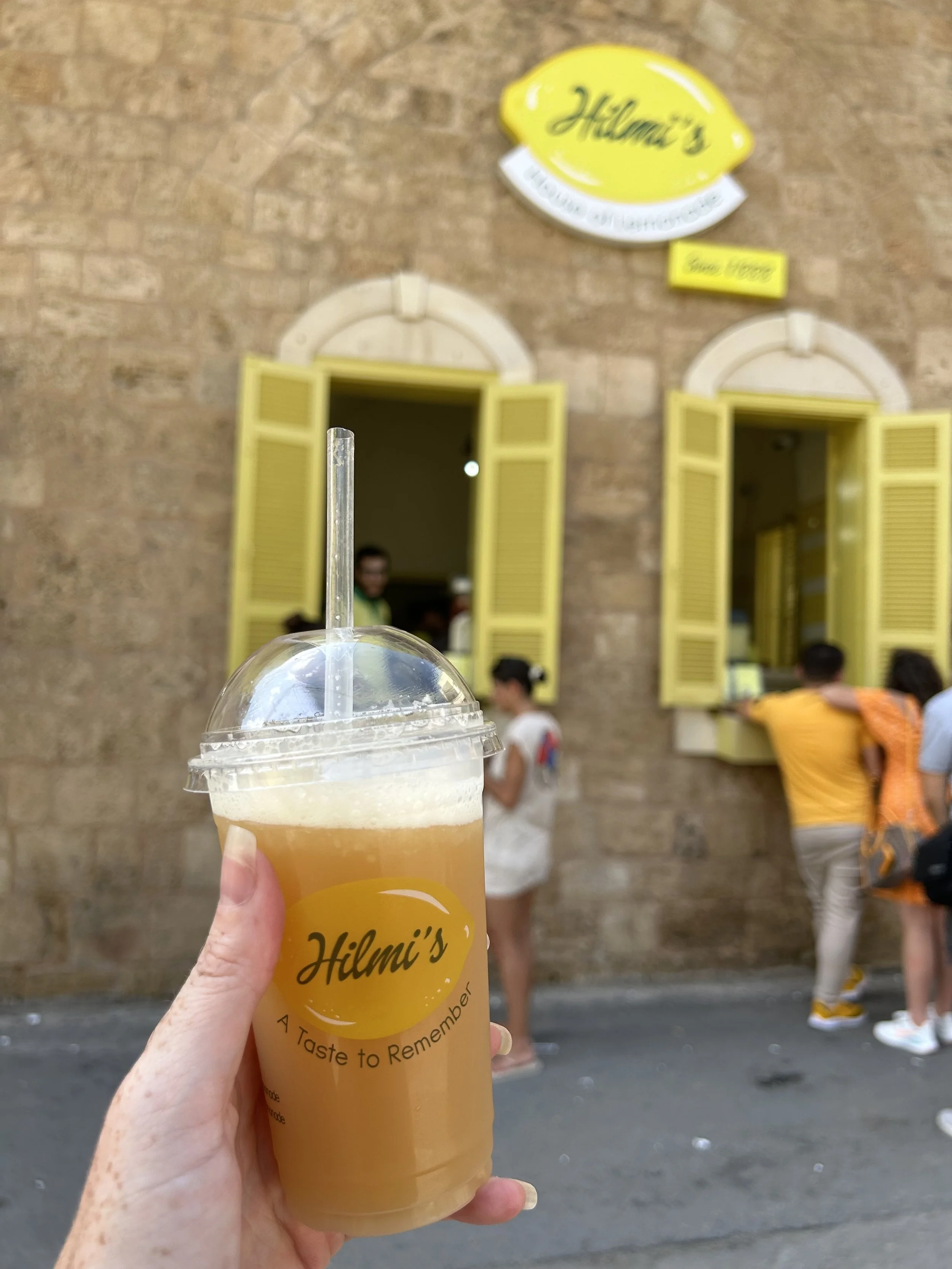
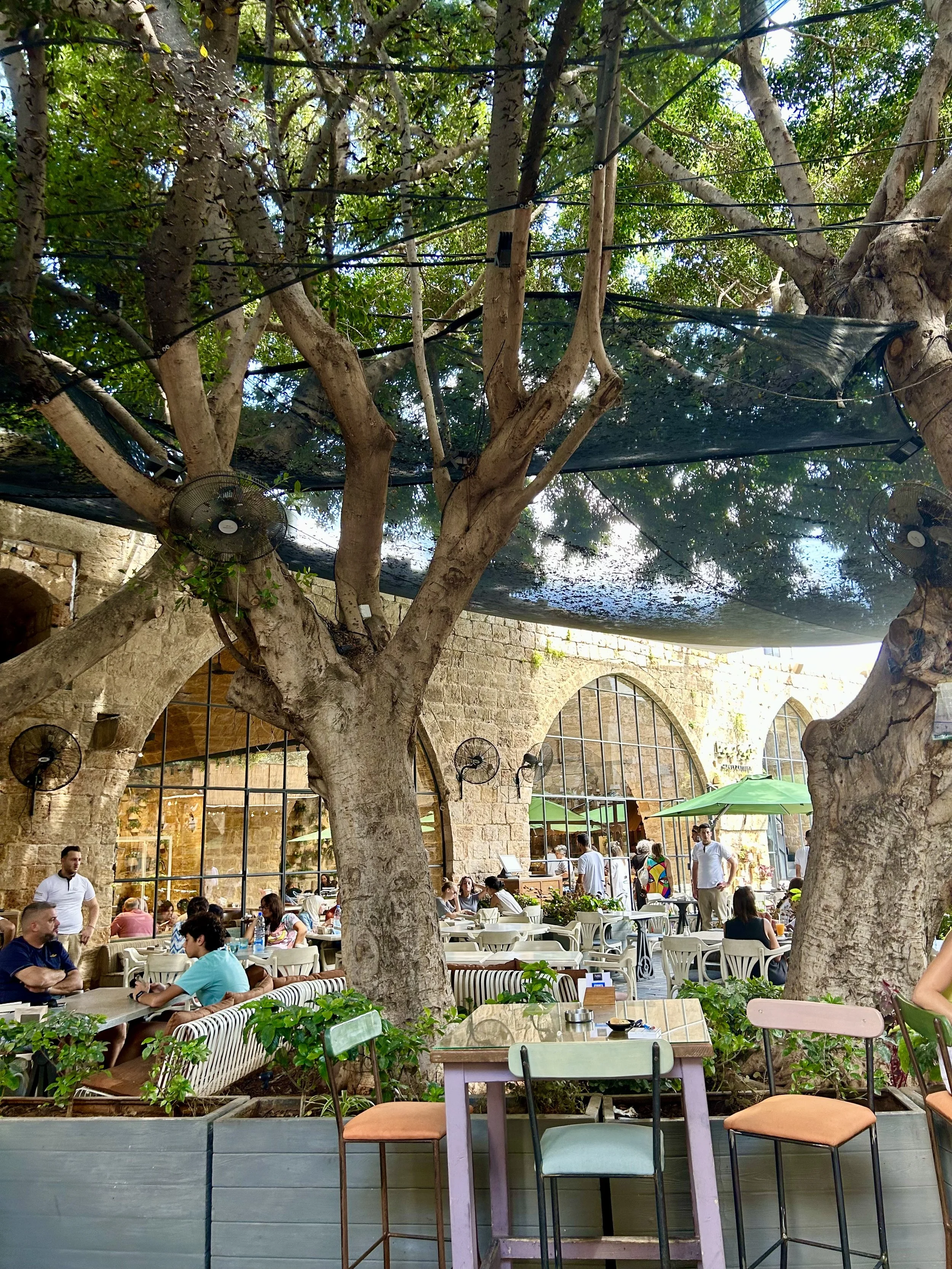
Must-stop: Hilmi’s House of Lemonade (get it spiked, obviously)
Pop into shops as you wander
Find the Oldest Phoenician Wall
Grab a chicken + toum (garlic paste) sandwich and keep strolling
Bonus: Anfeh is basically mini-Greek island energy
Make time to head up to Anfeh—a tiny cove that feels like someone packed a Greek island into Lebanon’s coastline.
Tahet El Rih
Chez Fouad (a full scene, and there’s a pool). Tip: Go early to claim a spot or make a reservation.
Then: up to Sept for lunch and sunset
Maher’s perfect day for a first-time visitor mirrors the arc perfectly:
Morning coffee by the sea in Batroun town, a swim or walk along the old harbor, then up to Sept for the vineyard, lunch at Table Sept, and finishing with sunset in the mountains.
And if you want pairing ideas that feel like a cheat code:
Merweh + grilled fish
Obeideh + raw fish
Syrah + slow-cooked goat
Simple. Specific. Local. Correct.
What you take home….
Batroun gives you the lightness. Sept gives you the depth.
Together, they do what the best travel does: they make a place feel unforgettable not because it was “perfect,” but because it was real—salt, limestone, sun, stories, and a table where time finally slows down.
Come for the sea day. Stay for the mountain sunset. Leave with Lebanon in your glass.